Content Creation Side Hustle Guide for Employees: 5 Steps to Build Your Personal Brand from Scratch
Don't know where to start with content creation as a side hustle? 5 steps to build your personal brand from scratch (choose a vertical niche, determine content format, create a publishing plan, accumulate your first 1,000 followers, find monetization methods), plus 3 pitfalls to avoid and time management tips.
Want to Start a Content Creation Side Hustle? The Biggest Problem Isn't "Can I Make Money" — It's "Where Do I Start"
After seeing creators share their income, you may wonder whether you could try it too. Once you start, the common challenges are choosing topics and platforms, finding a suitable format, and publishing consistently. A content side hustle is not a matter of “posting anything and getting paid,” and income is never guaranteed. It is safer to treat it as a small project that requires testing. The five steps below offer a practical way to start building a personal brand.
Step 1: Choose a Vertical Niche — Don't Do Everything, Pick One Direction and Go Deep
If your topic changes constantly at the beginning, people may not know what to expect, and you will have little comparable data for deciding what works. Testing a reasonably clear niche helps you build experience and measure results. Audience size is only one signal: a smaller group with a well-defined need may sometimes be more useful for building trust or offering a relevant service than broad, unfocused exposure.
- How to choose a vertical niche: Find the intersection of three dimensions — what you're good at, what you enjoy, and what the market needs. The overlap of these three circles is your ideal vertical niche. For example, if you're good at data analysis, enjoy teaching, and the market needs Excel tutorials, then "Excel data analysis tutorials" is your vertical niche
- Validate demand: Search relevant keywords on your target platform. Review recent publishing volume, real questions in comments, saves and shares, and any clear demand for related products or services. A leading account's follower count is a reference point, not proof that a niche is too small or underserved
- Start with a specific problem: Narrow “career advice” to “job hunting for tech product managers,” or “office skills” to “Excel reports for sales teams.” A specific starting point makes the audience and the value of each piece easier to define
- Set a test window: For example, keep the topic and cadence broadly consistent for 4–8 weeks, then compare several content groups. Adjust the window to your publishing frequency, and do not pivot solely because one post underperforms
A niche is not a permanent, one-time decision. Do basic research, run a small publishing test, and use audience feedback to narrow or adjust the direction. This is more manageable than committing significant time based only on intuition.
Step 2: Determine Content Format — Choose the Expression Method That Suits You Best
Format affects production cost, clarity, and how difficult it is to publish consistently. Consider your communication style, available time, equipment, and target audience. You do not need to chase the most popular format or buy expensive gear at the outset.
- Images and text (Xiaohongshu, WeChat Official Accounts, Zhihu): Useful for step-by-step guides, lists, and case studies. The workflow usually includes writing, visuals, and layout, while appearing on camera is optional
- Short video (Douyin, Kuaishou, WeChat Channels): Useful for demonstrations, spoken explanations, and visually driven topics. Allow time for scripting, filming, captions, and editing; actual reach depends on the content, audience, and platform distribution
- Medium- and long-form video (Bilibili, YouTube): Useful for structured explanations, reviews, and detailed case studies. It can carry more information, but scripting, filming, and post-production often require more time
- Podcasts (Xiaoyuzhou, NetEase Cloud Music, and others): Useful for interviews, discussions, and audio-led storytelling. Before starting, assess the recording environment, editing workload, and whether your intended audience listens to podcasts
- Selection principle: Publish several pieces in one primary format and record the time and feedback for each. Once the workflow is stable and there is audience demand, adapt the same topic to additional formats
There's no good or bad content format — only what suits you or not. The best format is one you can consistently produce — content creation is a marathon, not a sprint. Sustainability beats intensity.
Step 3: Create a Publishing Plan — Build Useful Data with a Sustainable Cadence
Many creators overbook the first few weeks and then stop when the workload becomes unsustainable. Instead of aiming for a “perfect” high-frequency schedule, estimate how long each piece takes and choose a cadence that leaves room for revisions, rest, and adjustment.
- Publishing frequency: Base your starting cadence on the actual production time per piece—for example, 1–3 posts per week—and reserve time for revisions and rest. After several weeks, adjust it using both workload and performance data
- Content calendar: Plan the next cycle's themes in advance, such as practical guidance, a case analysis, and a reader question. A calendar reduces last-minute decisions and helps balance topic coverage
- Batch production: If similar pieces share a workflow, group topic research, scripting, or filming and schedule publication separately. Keep the plan flexible when the subject depends on current events or immediate audience feedback
- Content templates: Build fixed templates for your content. For example, Xiaohongshu image-text posts might follow "title + 3 key points + summary + engagement question," short videos might use "opening hook + 3 tips + closing CTA to follow." Templates dramatically improve creation efficiency
- Publishing times: Do not treat generic “best times” as fixed rules. Use your account's audience-activity data where available. With limited data, test two or three time slots, change one variable at a time, and compare reach, retention, and engagement
A publishing plan should create a workable, reviewable process rather than maximize volume. A relatively stable cadence produces more comparable samples and helps set audience expectations. If your data or circumstances change, revise the plan instead of sacrificing quality or health merely to avoid a gap.
Step 4: Find Your First Consistent Audience — Use Feedback to Move from 0 to 1
Reach and feedback are often erratic during a cold start, so do not treat a particular follower count as an automatic turning point. Focus on finding people who genuinely need the content, understanding why they read, save, comment, or follow, and then refining topics and presentation around that evidence.
- Content-based growth: The most core and sustainable method. Every piece of content should have a "reason to follow" — either solving a specific problem, offering a unique perspective, or providing a practical tool. Make readers feel "following this person gives me ongoing value"
- Feedback through interaction: Add genuinely useful context under relevant content rather than advertising. When time allows, answer representative questions and turn recurring questions into future topics
- Collaboration-based growth: Cross-promote and co-create with creators in your niche. For example, if you teach Excel, collaborate with someone who teaches PPT on a "Excel Data + PPT Presentation" piece, cross-pollinating audiences
- Platform activities: Join topics or creator programs only when they match your positioning and audience, and read the rules first. Participation may create another discovery path, but it does not guarantee additional reach
- Appropriate sharing: Share useful content with relevant professional or social groups only after checking their rules, and avoid repeated promotion. Explain the specific problem the content solves instead of using a generic sales pitch
- Key metrics: Do not use follower count alone. Combine saves, comment quality, completion rate, link clicks, and follow conversion to assess usefulness. Metrics from different formats and platforms are not directly comparable
There is no standard cold-start period, and later growth will not necessarily accelerate on its own. Publish clear, useful content that fits the positioning, actively collect feedback, and keep records of unsuccessful tests so you can identify more reliable ways to improve.
Step 5: Evaluate Monetization — Put Audience Value and Compliance First
Once the content receives consistent feedback, you can evaluate whether monetization makes sense. Look beyond follower count to audience needs, your ability to deliver, platform terms, tax and advertising-disclosure obligations, and whether commercial content could undermine long-term trust.
- Sponsored content: Eligibility, marketplaces, and rates vary by platform, industry, content quality, engagement, usage rights, and scope. Check the platform's current official rules and obtain real quotes; label the commercial relationship clearly when publishing
- Platform revenue sharing: Some platforms pay under creator programs, but eligibility, calculation methods, and rates can change. Do not forecast income from a fixed rate per thousand views; check the current dashboard terms and calculate from actual payments
- Affiliate commissions: Use compliant product links and choose items relevant to the audience. Verify product information yourself and prominently disclose the commission or other material relationship
- Paid content or services: Courses, templates, and consulting may be options, but the material should be original and the marketing proportionate. State the deliverables, price, refund terms, and intended audience before purchase
- Brand partnerships: These may include one-off content, a series, or a longer engagement. Before signing, confirm creative control, revision rounds, usage term, exclusivity, payment milestones, and advertising-label requirements
- Monetization timing: There is no universal follower threshold. Decide based on validated demand, manageable delivery, platform eligibility, and whether the commercial content continues to provide genuine audience value
Sustainable monetization depends on transparency and trust. Recommend only products or services you can verify and that fit the audience, disclose commercial relationships, and handle support and feedback responsibly. Decline any partnership that requires misleading the audience.
3 Content Creation Pitfalls — Avoiding Detours Is Acceleration
Poor assumptions in content creation cost time and energy, and some problems emerge only after several publishing cycles. Use the following three risks as a checklist during testing and review.
- Pitfall 1: Delaying publication in pursuit of perfection. Once the facts, rights, and basic presentation have been checked, consider a small release and improve it from feedback. “Publish and learn” does not mean skipping necessary verification
- Pitfall 2: Copying or reposting without permission. Copying someone else's writing, images, music, or video may infringe their rights and may trigger platform enforcement. Cite sources and confirm the scope of permission when using third-party material
- Pitfall 3: Pivoting after a single fluctuation. Set a test window—for example, 4–8 weeks depending on cadence—and compare several metrics. If multiple content groups consistently miss a predefined goal, review the topic, packaging, distribution, or positioning
Reduce risk by staying patient, respecting original work, and replacing emotional decisions with records and review. Content creation is not a get-rich-quick plan, and no formula guarantees growth. Repeatedly testing assumptions and correcting mistakes makes the process more manageable.
Side Hustle Time Management — A Content Creation Survival Guide for Employees
For someone with a day job, creative time is often limited and unpredictable. The methods below can reduce switching costs, but they should be adjusted to your workload, caring responsibilities, and need for rest.
- Schedule focus blocks: Reserve realistic blocks around your own routine, perhaps several times a week rather than every day. Give each block one clear task, such as outlining a post or editing one segment
- Batch similar work: Group tasks such as planning several topics or processing captions. If weekends are needed for rest, split the batch into shorter sessions
- Fragmented time utilization: Brainstorm topics during commute, write outlines during lunch, reply to comments while waiting for elevators. Use large blocks of time for creation, fragmented time for operations
- Repurpose carefully: Adapt long-form work into shorter pieces only when you have the necessary rights and the approach complies with each platform's rules. Re-edit for the platform context instead of mechanically duplicating material
- Set boundaries: Content creation cannot affect your main job. If work is particularly busy one day, it's okay to skip content creation for a day. Long-term consistency beats short-term intensity
Time allocation should change by stage. Early on, production may need the most attention; during validation, reserve time for analysis and interaction; commercial work also requires communication and delivery. Review time spent and outcomes weekly before setting the next cycle's priorities.
Conclusion: Content Creation Is a Marathon, Not a Sprint
You do not need to buy professional equipment or quit your job before testing a content side hustle. Start with a clear niche, a format you can support, and a short test plan; then identify a consistent audience before deciding whether monetization fits. Outcomes depend on the content, platform, market, and time invested, and consistency alone does not guarantee growth. What you can control is the quality of your records, respect for original work, compliance with the rules, and evidence-based iteration.
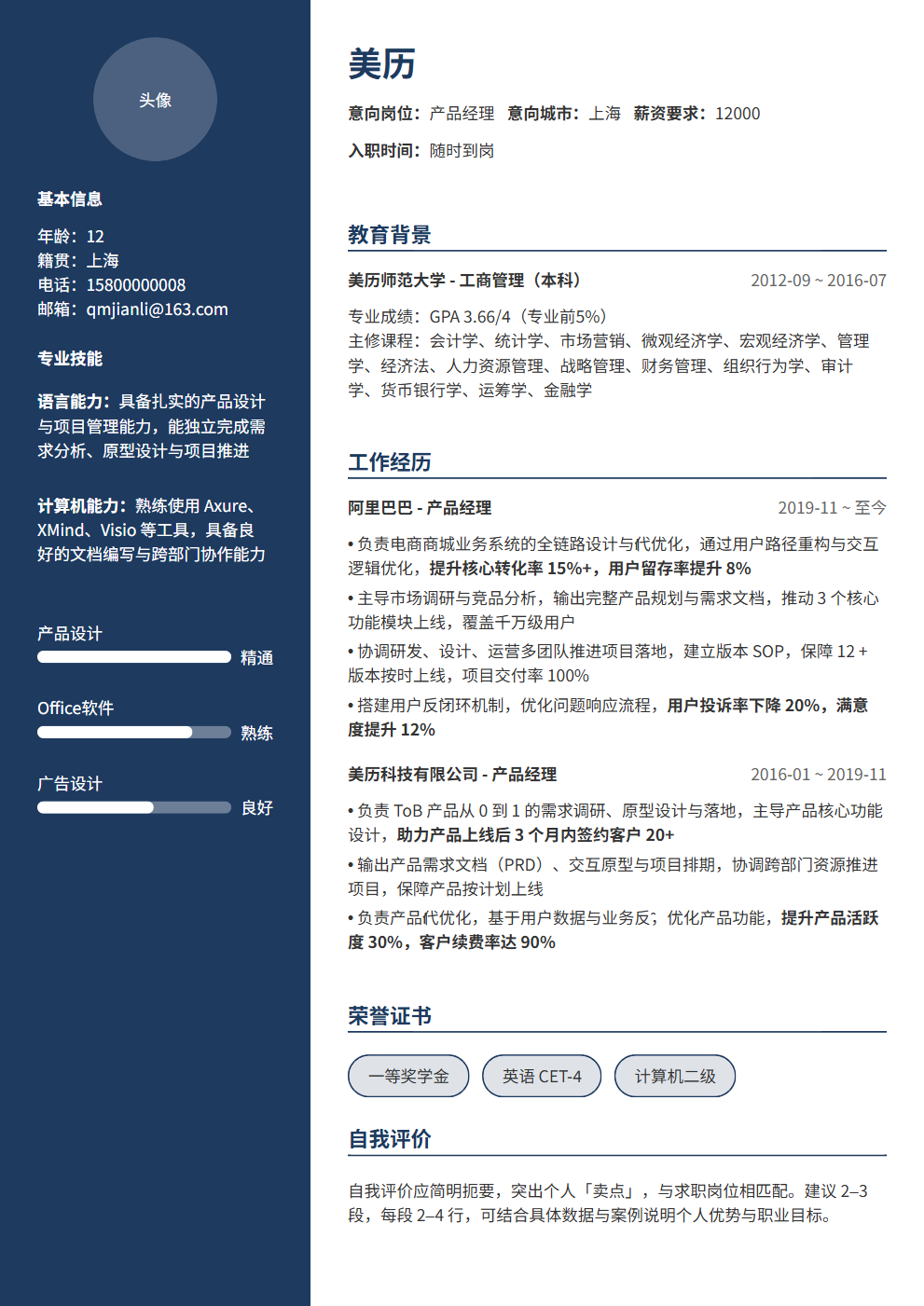
If your positioning relies on professional experience, consider linking to a privacy-safe bio, portfolio, or resume so readers can verify relevant background. When using BeautyResume, publish only information related to that public positioning and remove personal details—such as a phone number or home address—that do not need to be public.