Year-End Bonus Negotiation Guide: How to Discuss Raises and Bonuses with Your Manager at Year-End
Want to negotiate a raise and year-end bonus but don't know how to bring it up? This complete guide covers timing, scripts, data preparation, common manager responses, and counter-strategies for year-end bonus negotiations.
Your Year-End Bonus Isn't a Handout — It's What You've Earned with a Year's Results
At the end of every year, many people agonize over whether to discuss raises and bonuses with their manager. The hesitation usually comes down to: fear of seeming mercenary, worry that the manager will think you're ungrateful, or concern that bringing it up will be awkward and ineffective. But here's a fact: your year-end bonus and raise aren't things your manager "gives" you — they're what you've earned through a year's worth of work results. If you don't initiate the conversation, your manager won't proactively increase your compensation — because from the company's perspective, if the current salary is enough to retain you, why spend more? Talking about money isn't shameful — not talking is what costs you.
Negotiation Timing — When Is the Best Time to Bring It Up
Choosing the right timing can double your success rate. Three optimal moments:
- 1-2 weeks before your annual performance review: Don't wait until the review itself — by then, your manager has already reached a conclusion that's hard to change. Hint at your expectations through informal communication 1-2 weeks early, giving your manager time to think and prepare.
- After a major project delivery or launch: When you've just completed an important project with notable results, your value is highest in your manager's mind. Strike while the iron is hot — this is more effective than waiting until year-end.
- When your manager is in a good mood: This isn't a joke. People are more likely to make concessions when they're feeling positive. If your manager just landed a big deal, got promoted, or received praise from upper management, your chances of success are significantly higher.
Data Preparation Before Negotiation — 3 Documents You Must Have Ready
Negotiation isn't about smooth talking — it's about data. Three documents you must prepare:
- Annual achievements list: List all important projects you completed this year, key metrics you hit, and difficult problems you solved. Don't just list tasks — list results. "Optimized the XX process" is weaker than "Optimized the XX process, improving efficiency by 30%." The more specific your data, the more persuasive you are.
- Market salary research: Understand the market salary levels for your industry, role, and seniority. You can gather this through job sites, salary reports, and industry communities. If your current salary is significantly below market rate, that's your strongest negotiating leverage.
- Future work plan: Don't just talk about the past — talk about the future. Present your work plans and goals for next year, making your manager see a raise as an investment rather than a cost. "I plan to do XX next year, which I expect will bring XX value to the team" is more persuasive than "I did a lot this year."
Opening Scripts — 3 Ways to Start the Conversation Without Being Apologetic or Aggressive
Many people get stuck on "how to bring it up." Here are three opening scripts to choose from:
- Achievement-led approach: "I'd like to discuss the XX results from the project I led this year, and talk about next year's development plans and compensation adjustments." Lead with results, then naturally transition to compensation.
- Planning-led approach: "I'm working on my direction for next year and would like to discuss my goals and corresponding compensation arrangements." Introduce the salary topic through future planning, showing you've come prepared.
- Market-led approach: "I've noticed some changes in industry salary levels recently and would like to discuss my room for adjustment." Use market data as your entry point — objective and rational.
5 Common Manager Responses and How to Counter Them
Your manager won't agree right away. Here are the 5 most common responses and how to handle them:
- "The company budget is tight" — Counter: Don't get stuck on the budget; pivot to value. "I understand the budget pressure, but I'd like to confirm — if my results exceed expectations, is there an additional reward mechanism?" Shift the question from "is there money" to "under what conditions is it possible."
- "Let's talk about it next year" — Counter: Don't accept vague promises; lock down a specific timeline. "Sure — when would be a good time to revisit this? Would the end of Q1 work?" Turn "next year" into a concrete date.
- "You've done well, but..." — Counter: The "but" is the real point — listen carefully. If the "but" is about objective factors (company policy, industry conditions), ask "given the current conditions, what can I strive for?" If it's a subjective assessment ("you need to improve in XX area"), ask "specifically which areas? What standards would I need to meet for a salary adjustment?"
- "Your salary is already on the higher end of the team" — Counter: Don't compare with your team — compare with the market. "I understand, but compared to market rates for the same role, there's still a gap. I've compiled some market data for your reference."
- "Let me check on that" — Counter: This could be genuine advocacy or a brush-off. Follow up with: "When can I expect to hear back? If the result isn't favorable, what else can I do?" Make sure "checking" doesn't mean disappearing into a black hole.
The Difference Between Year-End Bonuses and Raises — Don't Mix Them in Negotiation
Year-end bonuses and raises are two different things — don't negotiate them together. A bonus is a reward for past year's results; a raise is recognition of your future value. The right strategy: negotiate the bonus first (based on past results), then the raise (based on future value). If you bring up both at once, your manager may satisfy you with the bonus and let the raise quietly disappear. Negotiate them separately and secure each one fully.
What to Do If Negotiation Fails — When to Try Again If It Doesn't Work Out This Time
Not every negotiation succeeds, but failure doesn't mean the end. If it doesn't work out this time, do three things: First, clarify the specific reason — is the company truly short on funds, were your results not persuasive enough, or was the timing wrong? Second, agree on a next conversation date with your manager — "Understood. I'll continue working on XX, and we can revisit this in Q2?" Third, keep building your negotiating leverage — use the "buts" your manager mentioned as your focus areas for improvement, and respond to their concerns with results at the next negotiation.
Talking About Money Isn't Shameful — Not Talking Is What Costs You
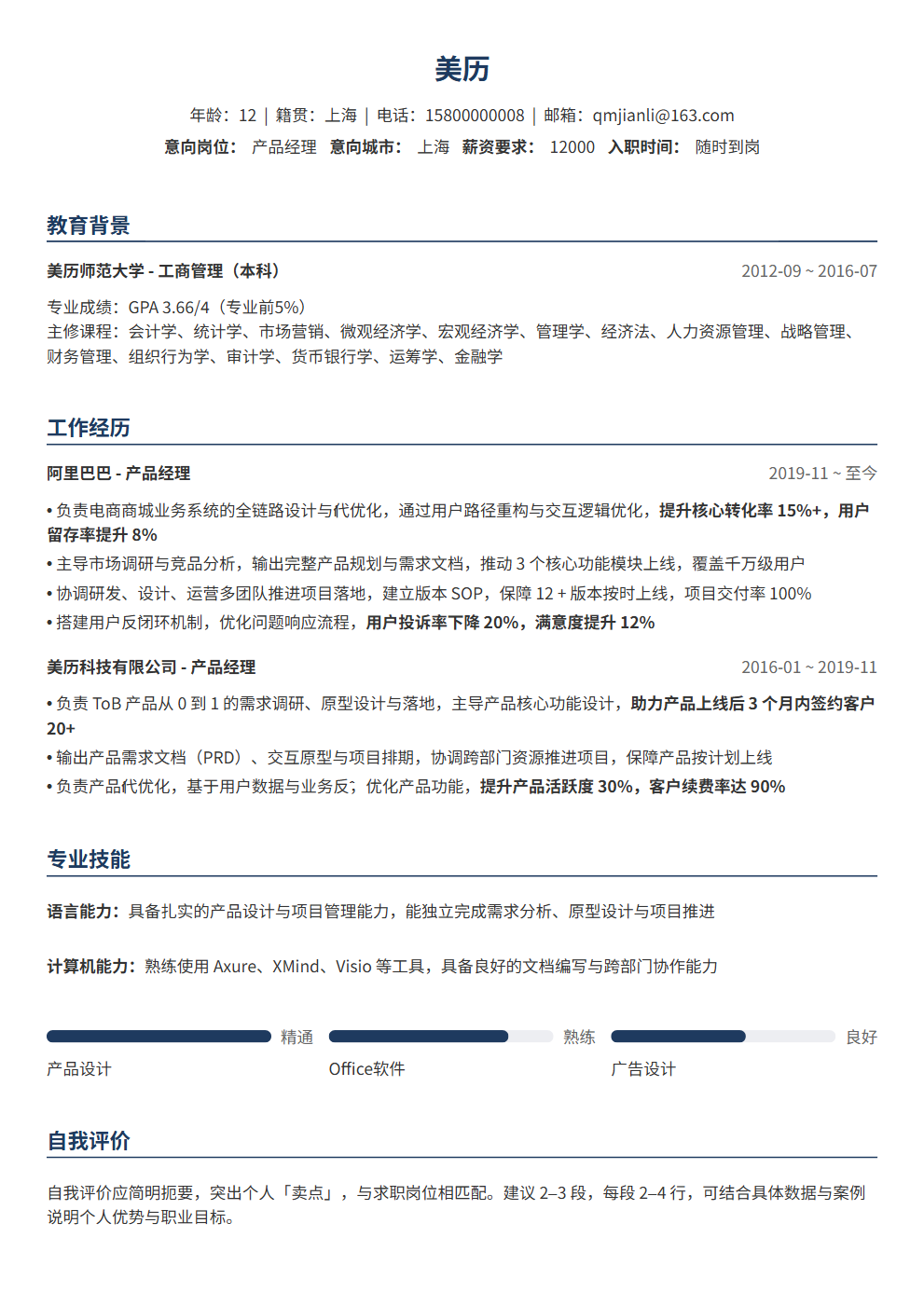
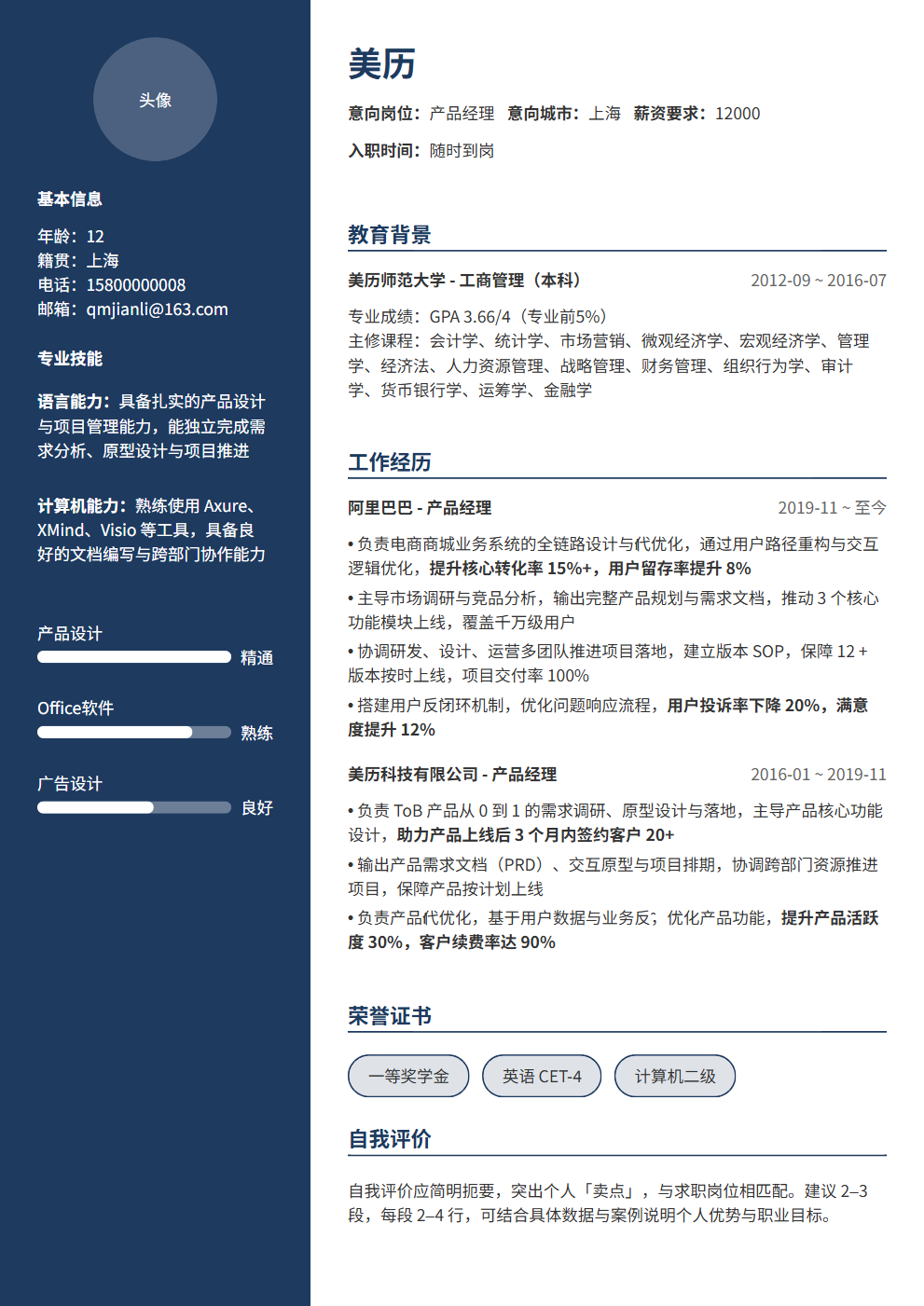
Your year-end bonus and raise are earned through a year of hard work and results — advocating for yourself is your right. Choose the right timing, prepare your data, use the right scripts, and counter your manager's responses — every step has a method. Remember, your manager won't proactively give you a raise because you're silent, but they will reassess your value when you negotiate with solid reasoning. If you're putting together your annual achievements list, try BeautyResume's resume editor — professional templates help you write every project result with data and impact, smart word suggestions help you transform "what I did" into "what value I created," making your annual achievements list itself a persuasive basis for a raise.