Workplace Self-Protection Guide: 5 Habits That Prevent You from Suffering in Silence
Always realize you've been wronged after the fact? 5 habits to protect yourself — keep written records of important communications, don't accept verbal promises, regularly back up work results, understand basic labor law, maintain independent judgment, plus 3 common scenarios and 3 bottom lines.
Do you often have these experiences: your manager verbally promises a raise, but six months pass with no action; you do a lot of work, but someone else takes the credit during presentations; you're assigned tasks outside your job description, but when things go wrong you take the blame. Only afterward do you realize—you've been wronged again. In the workplace, doing good work doesn't mean someone will speak up for you, and being wronged doesn't mean someone will seek justice for you. Self-protection isn't being "petty"—it's a fundamental workplace survival skill. The following 5 habits will help you transform from a "pushover" into someone who doesn't get taken advantage of.
Habit One: Keep Written Records of Important Communications—If It's Not Documented, It Didn't Happen
The most common phrase in the workplace is "I mentioned that before"—but something said and something written down carry completely different weight. Verbal communications vanish in an instant; who said what, when, and exactly how they said it becomes unclear within days. Written records are ironclad evidence—black and white, undeniable.
- Which communications need records: anything involving changes to work assignments (like "you'll be handling the XX project going forward"), promises (like "we'll adjust your salary next quarter"), responsibility allocation (like "you're responsible for this component"), and issue reports (like "I flagged this risk before"). One-sentence test: if this matter could become disputed later, it needs a written record
- How to keep records: the most formal is email (with send time, recipients, and content, strongest legal validity); next is work chat messages (DingTalk, WeCom, Feishu, etc., with searchable chat history); least recommended is verbal confirmation without follow-up documentation. After verbal discussions, make it a habit to send a follow-up email or message: "We just confirmed XX in our discussion; I've summarized it below—please let me know if anything is inaccurate."
- How to write the email: clear subject line ("Regarding XX Project Responsibility Confirmation"), concise content (who does what, by when, what are the deliverables), and end with "Please reply if anything is inaccurate; otherwise this will be executed as stated." This email is your "insurance policy"
- Key detail: CC relevant parties on emails. For responsibility-related emails, CC both managers; for promise-related emails, CC HR. CCing isn't "tattling"—it's making information transparent. When information is transparent, nobody can deny what was agreed
- Pitfall to avoid: Don't use personal WeChat for work communications—personal chat records are difficult to use as evidence in labor disputes. Try to use company official communication tools for work discussions, ensuring records are traceable
Once the habit of keeping written records is established, you'll find many "he-said-she-said" situations become crystal clear. This isn't about distrusting colleagues—it's about leaving yourself a safety net. You never know when you'll need it.
Habit Two: Don't Accept Verbal Promises—"I'll Consider It" Doesn't Mean "I Agree"
Your manager says "we'll look at a raise next time," a colleague says "after this project I'll put in a good word for you," HR says "you'll be confirmed after probation"—these verbal promises sound wonderful, but without written confirmation they're just "air promises" that can be denied or forgotten at any time.
- Three traps of verbal promises: First, "vague promises"—"when there's an opportunity," "we'll consider it," "we'll try to arrange it"—these phrases have no binding force; Second, "conditional promises"—"if you perform well we'll adjust your salary," but the standard for "performing well" is never defined; Third, "delayed promises"—"let's wait until next quarter," and when next quarter arrives it's "let's wait a bit more"
- Response strategy: Convert verbal promises into written confirmations. When your manager says "we'll give you a raise next time," you can say "Great—when would be a good time for me to follow up on the specific timing and amount?"—turn vague timelines into concrete milestones. If they deflect, you know how much that promise is worth
- Key script: "I understand what you're saying. To make sure this is executed properly, could I confirm the specific timeline/standard/process with you?"—This isn't challenging them; it's confirming. Sincere attitude, clear purpose
- If they refuse written confirmation: That's a signal—this promise probably won't be honored. You need to prepare on two fronts: continue advocating for yourself, but don't base your career plans on this promise
- Special reminder: For promises involving salary, position, probation, and other core interests, you must have written documentation (employment contract, salary adjustment notice, offer letter, etc.). Promises without written documentation are difficult to substantiate in labor arbitration
Not accepting verbal promises isn't "distrust"—it's "respecting rules." In the workplace, rules are more reliable than relationships. Putting promises in writing protects both parties.
Habit Three: Regularly Back Up Your Work Results—Your Work Output Is Your Career Asset
You worked hard on a project for a year, wrote hundreds of pages of documentation, created dozens of proposals—but if these results only exist on the company computer, they all disappear when you leave. Regularly backing up work results isn't about "stealing company materials"—it's about preserving your career assets: your portfolio, your project experience, your growth trajectory.
- What to back up: your project list (project names, your role, outcomes), your output and proposals (sanitized versions without company confidential information), your honors and recognition (employee of the month, project commendations, screenshots of client praise), your performance evaluation records (biannual review results, manager feedback)
- How to back up: personal cloud storage (Baidu Netdisk, iCloud, etc.) for sanitized work result screenshots and documents; personal email for regular "work summary" emails to yourself (with timestamps for traceability); physical materials (certificates, performance review forms) photographed and stored
- Backup frequency: spend 10 minutes weekly organizing that week's work results; do a full backup and archiving quarterly; immediately back up performance evaluation results after each review
- Legal red line: Never back up trade secrets, customer data, source code, financial data, or other sensitive information. What you're backing up is "your work results," not "company trade secrets." Sanitization is the bottom line—remove company names, client names, specific data, keeping only descriptions of your work content and outcomes
- The value of backups: when job-hunting you have a complete portfolio and project experience to showcase; if laid off you have evidence of your work results and contributions; when writing your resume you have specific data and cases to reference. Your career assets—only you will treasure them
Regularly backing up work results is like buying insurance—you hope you never need it, but when you do, you'll be glad you did.
Habit Four: Understand Basic Labor Law—The Law Is Your Strongest Leverage
Many employees get taken advantage of not because they don't work hard enough, but because they don't know the law. The company says "no social insurance during probation," and you believe it; your manager says "resign voluntarily, we won't give compensation," and you accept; HR says "the non-compete agreement is mandatory," and you sign it—none of these are necessarily legal. Understanding basic labor law is your strongest leverage in the workplace.
- Must-know labor law basics: probation cannot exceed 6 months (for 3+ year contracts), and probation salary cannot be less than 80% of regular salary; social insurance must be enrolled within 30 days of joining, including during probation; overtime pay rates—1.5x for weekdays, 2x for weekends, 3x for statutory holidays; unilateral termination by the company requires severance pay (N or N+1); during non-compete periods the company must pay monthly compensation—if they don't pay, the non-compete becomes invalid
- Common illegal practices: no social insurance during probation (illegal), forced overtime without overtime pay (illegal), termination for "incompetence" without compensation (requires training or reassignment first, still incompetent after that, then termination with compensation), requiring employees to sign "voluntary social insurance waiver" agreements (the agreement is invalid—social insurance is a legal obligation)
- Channels for asserting rights: internal company grievance (communicate with HR first), labor inspection brigade complaint (call 12333), labor arbitration (free, no lawyer needed, resolved within 45 days), court litigation (if unsatisfied with arbitration results). Most labor disputes are resolved at the arbitration stage
- Evidence awareness: asserting rights requires evidence—employment contracts, pay stubs, attendance records, overtime records, communication records, performance evaluations. Keep these materials organized regularly so they're available when needed
- Special reminder: Don't give up on asserting your rights because "it's too much trouble." Every time you stand up for yourself, you're not just protecting yourself—you're fighting for the rights all employees deserve
Understanding labor law isn't "fighting the company"—it's "protecting yourself." The law is the baseline. When you know where the baseline is, you won't be easily bullied.
Habit Five: Maintain Independent Judgment—Don't Be Swept Up by "Collective Emotion"
There's an invisible form of "being wronged" in the workplace—being swept up by others' emotions and viewpoints into making decisions that don't serve your interests. Like when colleagues are all complaining about the company and you join in slacking off; when your manager paints a grand vision and you get swept up accepting an impossible task; when everyone's working overtime and you don't dare leave even though you have nothing to do. Maintaining independent judgment is the highest level of workplace self-protection.
- Three signs of independent judgment: First, not joining complaints just because others are complaining—their situation and yours are different, their choices aren't necessarily yours; Second, not accepting everything just because leadership painted an inspiring picture—rationally assess your capabilities and resources, don't agree to things you can't deliver; Third, not following along just because "everyone's doing it"—conformity is easiest, but also most dangerous
- How to develop independent judgment: Ask yourself 3 questions—"What impact does this have on me?" "Do I have other options?" "What's the worst outcome if I don't do this?" These 3 questions help you step back from emotions and make rational decisions
- Judging unreasonable requests from leadership: If a request clearly exceeds your responsibilities and capabilities, don't outright refuse, but don't just take it on either. You can say "I understand the importance of this task, but I currently have XX project on my plate—if I take this on, XX project will be affected. How would you like to adjust priorities?"—Throw the question back to your manager and let them decide
- Judging "taking sides" pressure: "Taking sides" is the most dangerous behavior in the workplace—you don't know which side will win, and even if your side wins, you might still be purged afterward. Staying neutral, focusing on work, and not participating in gossip and factional struggles is the safest strategy
- Judging "collective overtime": If overtime is because a project is genuinely urgent, then work the overtime; if overtime is because "the boss hasn't left so nobody dares to leave," then you can be the first to go—provided your work is done. Leaving when your work is finished isn't "not working hard"—it's "being efficient"
The essence of independent judgment is "taking responsibility for yourself"—you bear the consequences of every decision you make. Others won't bear them for you, so you shouldn't let others make decisions for you either.
How to Handle 3 Common Scenarios Where You Get Taken Advantage Of
Here are 3 of the most common "getting wronged" scenarios in the workplace, each with specific response strategies.
- Scenario one: Credit being stolen. You did a lot of work, but during presentations a colleague or manager claims the credit. Response: Proactively sync your work progress during the project (email updates, project channel posts) so more people know about your contributions; prepare your data and results before presentations and speak up proactively (don't wait for someone else to speak for you); if credit is stolen, communicate privately with the person: "I noticed my portion wasn't mentioned during the presentation—could we confirm presentation content together next time?"
- Scenario two: Being assigned work outside your job description. Your manager asks you to do work that isn't part of your role, without corresponding salary or title adjustments. Response: First assess whether this work helps your growth—if yes, treat it as a learning opportunity temporarily; if no, you can politely decline: "My current workload is already full—if I take this on, I'd need to adjust priorities on other work. How would you like to arrange it?"—Give the choice back to your manager
- Scenario three: Being scapegoated. Something goes wrong on a project and someone shifts the blame to you. Response: Let facts speak—pull out your written records (emails, chat logs, responsibility matrices) to prove your work scope and responsibilities. Don't argue emotionally; calmly present evidence: "According to the project responsibility matrix, I was responsible for XX, and XX was handled by XX. We can review the entire process together to see where the issue occurred."
The common solution across these 3 scenarios is "let facts speak, let records serve as evidence." The written record habit you build daily becomes enormously valuable in these moments.
3 Bottom Lines
Self-protection isn't about being suspicious of everything—it's about holding firm on certain lines. These 3 bottom lines should never be compromised.
- Bottom line one: Don't sign illegal agreements. Whether it's "voluntarily waiving social insurance," "voluntarily waiving overtime pay," or "voluntarily resigning without requesting compensation"—these agreements are illegal to begin with and won't hold up even if signed, but signing puts you at a disadvantage when asserting rights later. If the company insists you sign, you can sign but keep evidence (photos, recordings)—this evidence may actually prove the company's illegal behavior in future disputes
- Bottom line two: Don't do things that violate professional ethics. If your manager asks you to fabricate data, take the blame for them, or participate in kickbacks—these actions not only violate professional ethics but may also break the law. Once you comply, you have a "handle" that can be used against you repeatedly. You can decline politely, but your stance must be firm
- Bottom line three: Don't sacrifice your health. Continuous overtime causing physical problems, prolonged high pressure causing mental breakdown—no job is worth trading your health for. When work has seriously affected your physical and mental well-being, it's time to stop. Your body is yours; the company won't bear the health consequences for you
The essence of these 3 bottom lines is "protecting your most fundamental human rights"—legal rights, professional dignity, physical health. Hold these 3 lines, and you won't suffer major losses in the workplace.
Conclusion: Self-Protection Is a Fundamental Workplace Survival Skill
Workplace self-protection isn't being "petty"—it's "great wisdom." Keeping written records of important communications gives you evidence when disputes arise; not accepting verbal promises prevents your rights from being dismissed by "air promises"; regularly backing up work results ensures your career assets don't reset to zero; understanding basic labor law gives you leverage when facing injustice; maintaining independent judgment prevents you from being swept up by collective emotion. Five habits, five layers of protection, transforming you from "suffering afterward" to "preventing beforehand." In the workplace, kindness is a virtue—but kindness doesn't mean being a pushover. Protect yourself well, and you can work better and live better.
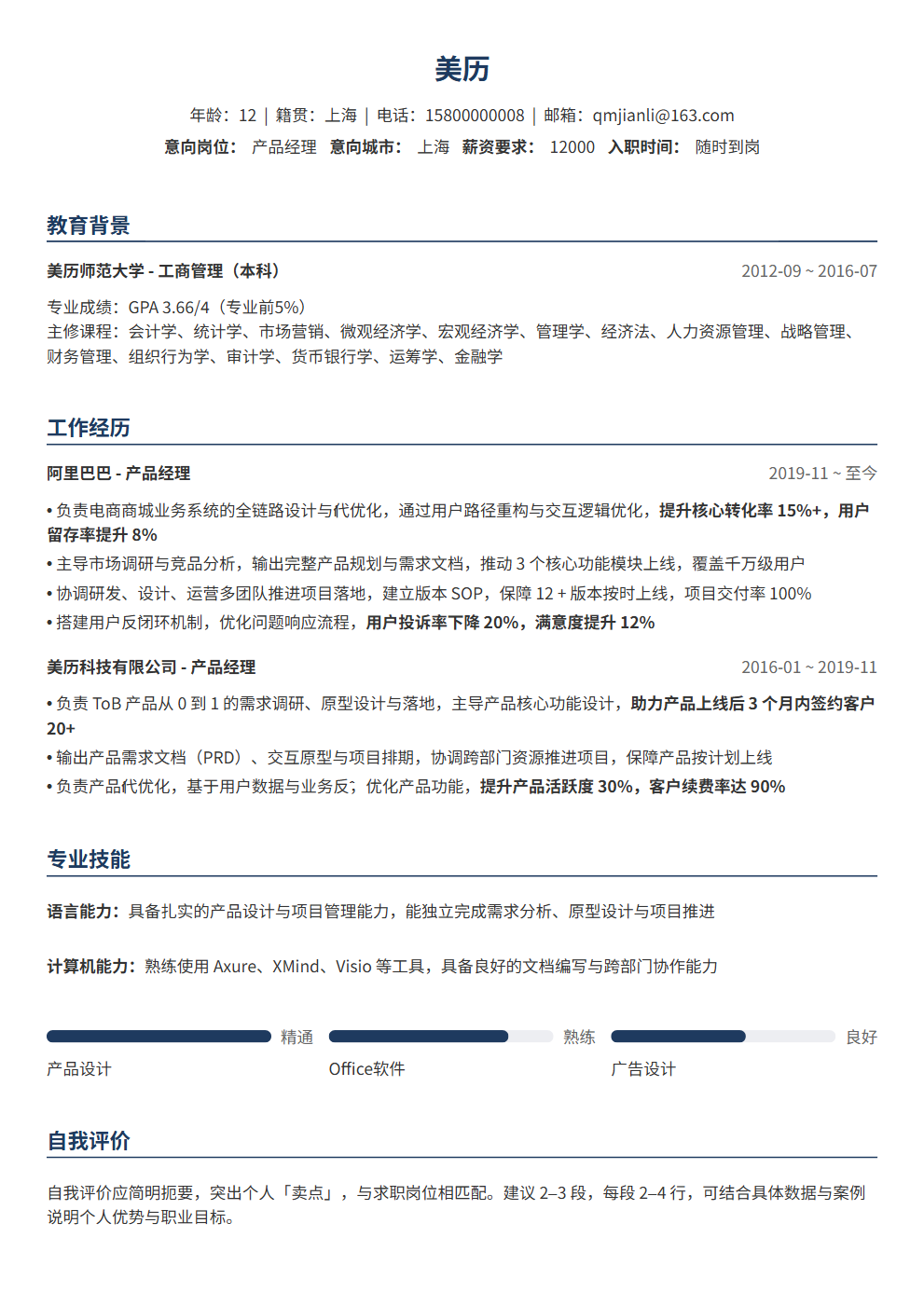
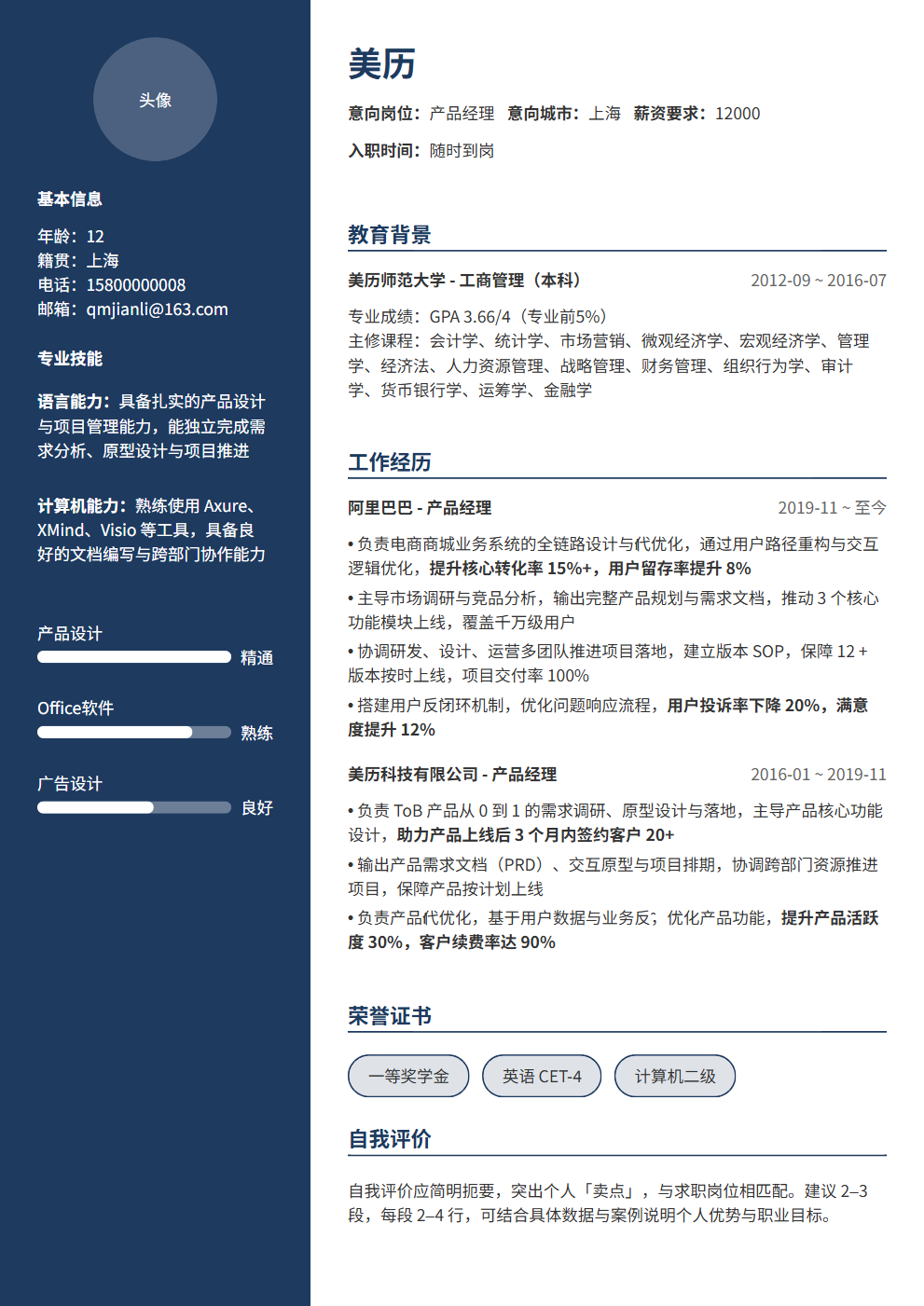
The first step in protecting yourself is letting others see your value. Use BeautyResume to create a professional resume that makes your work results and career capabilities clear at a glance—your value deserves to be seen.