When Should You Change Jobs? 5 Signals That It's Time to Move On
Not sure if you should change jobs? 5 signals to help you decide — no raise for 2 consecutive years, frequent manager changes, shrinking core business, zero growth at work, physical warning signs, plus 3 situations where you shouldn't jump and 3 preparations before job-hopping.
Have you ever had this moment: Sunday night you feel down thinking about Monday, you scroll job apps for half an hour then quietly close them, you vent to friends about your company then tell yourself "just endure it a bit longer." Should you jump or not? This question may have haunted you for a while. Jump too early and you might regret it; jump too late and you might miss opportunities; don't jump and you feel like you're wasting your life. Today, no chicken soup—just signals. 5 clear signals to help you decide whether it's time to change jobs.
Signal One: No Raise for 2 Consecutive Years—Your Market Value Is Shrinking
Salary is the most direct indicator of how much the company values you. If you haven't had a raise for 2 consecutive years, regardless of how the company explains "tough market conditions" or "company difficulties," the core message is clear—the company doesn't think you're worth spending more to retain. And the harsher truth: during those 2 years without a raise at your company, your market value may have increased significantly.
- Judgment standard: It's not "no raise means jump," but "the gap between market salary growth and your salary growth." If the market average salary for your role has increased 20%-30% over 2 years while yours hasn't moved at all, your salary has relatively shrunk by 20%-30%. The larger this gap, the more you should consider changing jobs
- How to check market salaries: Search job boards (Boss Zhipin, Lagou, Liepin) for your role and level to see salary ranges; network with peers (alumni groups, industry communities); consult headhunters (they're most sensitive to market salaries). Don't rely on just one source—synthesizing 3 sources gives you a more accurate picture
- Negotiate a raise first: Before deciding to jump, have a raise conversation with your manager first. If they acknowledge your value but are genuinely constrained by company budget, you can wait a bit longer; if they brush you off with "let's wait" or "maybe next year," or hint "if you're not happy you can leave"—then it's time
- Reference for raise amounts: In normal years, annual salary adjustments should be 5%-15% (excluding promotion adjustments). If your adjustments have been below 3% for 2 consecutive years (essentially no raise, since inflation is eating away your purchasing power), that's a clear signal
- Special reminder: Don't suffer in silence because you're "too embarrassed to talk about money." Salary is the core of the labor exchange—talking about money isn't shameful. If you don't advocate for yourself, nobody will do it for you
The essence of no raise for 2 consecutive years is "your value is being underestimated within the company." When there's a serious gap between internal value assessment and market value assessment, job-hopping is the fastest way to correct it.
Signal Two: Frequent Manager Changes—Your Career Development Is "Suspended"
Your direct manager is the most important person for your career development—they determine your project assignments, performance evaluations, promotion opportunities, and salary adjustments. If your direct manager changes frequently (3 or more in 2 years), your career development enters a "suspended" state—every new manager requires a new adjustment period, and your efforts may "reset to zero" with each change.
- Why frequent manager changes are a problem: First, your performance evaluations lack continuity—new managers don't know your past performance and can only judge based on recent months; Second, your promotion plans get disrupted—agreements with the previous manager may not be honored by the new one; Third, your working style needs constant adjustment—each manager has a different style, and just as you've adapted to Style A, Style B arrives
- Judgment standard: 2 manager changes in 2 years is "worth watching," 3 or more is a "clear signal." Especially note: if managers are leaving due to resignations, layoffs, or reassignments rather than normal promotions/transfers—this suggests the position itself may have issues (like poor department performance, strategic shifts, internal politics)
- Assessing the impact on you: If each manager change hasn't affected your work content, level, or salary, the problem is manageable; if each change leads to project cuts, delayed promotions, or lower performance scores—then it's time to consider leaving
- Response strategy: If your manager just changed, don't rush to leave—observe for 3 months first. The new manager might bring new opportunities. But if after 3 months things haven't improved or have gotten worse, start preparing to job-hop
- Special reminder: Frequent manager changes are often a signal of company-level problems—unstable departments, unclear strategy, unhealthy culture. These aren't things you can change; what you can do is choose to leave
The essence of frequent manager changes is "your career development lacks stable support." When the person supporting you keeps changing, you need a more stable platform to carry your growth.
Signal Three: Shrinking Core Business—You're on a Sinking Ship
If your company or department's core business is shrinking—declining revenue, customer churn, shrinking market share, frequent layoffs—then you're on a sinking ship. No matter how well you personally perform, when the ship goes down, you go down with it. Core business shrinkage isn't "temporary difficulty"—it's a "structural problem" that won't reverse itself through your individual efforts.
- Signals of core business shrinkage: Revenue declining year-over-year for 2+ consecutive quarters; core customers leaving (major accounts not renewing, old customers switching to competitors); market share being eroded by competitors; the company starting large-scale layoffs or "optimization"; new business directions changing frequently (meaning the company itself doesn't know where to go); senior executives leaving frequently (executives are the first to sense the ship is sinking)
- Judgment standard: An occasional quarterly dip might be cyclical, but 2+ consecutive quarters of declining core metrics signals a structural problem. Especially note: if the company is shrinking its core business without finding new growth drivers—that's "a sinking ship without lifeboats"
- Don't be fooled by "transformation": Many companies announce "strategic transformation" when core business shrinks—from B2C to B2B, from hardware to software, from domestic to overseas. Transformation itself isn't wrong, but the success rate is below 20%. If you don't want to bet your career on those odds, consider job-hopping
- When to leave: When you notice the company's response to core business shrinkage is "cost reduction and efficiency improvement" (translation: layoffs + salary cuts + benefit reductions) rather than "investing in new growth drivers"—that's when you should go. Cost cutting only delays the inevitable; it doesn't reverse the trend
- Special reminder: Don't wait until the company actually shuts down to leave—by then you'll be job-hunting alongside all your colleagues, facing fierce competition and weak negotiating power. Leave 6 months to a year early, and you'll have ample time and confidence to find better opportunities
The essence of core business shrinkage is "the platform you're on is losing value." When the platform itself is depreciating, your personal value gets dragged down too. Jumping ship in time isn't betrayal—it's self-preservation.
Signal Four: Zero Growth at Work—You're Using 1 Year of Experience for 10 Years
There's a "boiling frog" type of career dilemma: your work isn't too hard, the pressure isn't too high, the salary is decent, but you're doing the same things every day—the same processes, the same tasks, the same skills. One year of experience repeated for 3 years, 3 years of experience repeated for 5 years. You feel "stable," but actually your competitiveness is steadily declining—because the market is changing, technology is changing, the industry is changing, and you're not.
- Judgment standard: Ask yourself 3 questions—"What new skills have I learned in the past year?" "Have I done anything outside my comfort zone in the past year?" "If I were laid off tomorrow, could I find a job at the same or higher salary?" If all 3 answers are discouraging, that's a signal to consider job-hopping
- Three dimensions of growth: Skill growth (you've mastered new tools, methods, technologies), cognitive growth (your understanding of the industry, business, and management has deepened), resource growth (you've accumulated more connections, clients, partners). If none of these 3 dimensions have shown clear progress in the past year, your career development has stalled
- Talk to your manager about growth: Before deciding to jump, have a career development conversation with your manager. "I'd like more growth opportunities in XX areas—does the company have relevant projects or training?" If your manager is willing to give you opportunities, you can wait; if they say "just focus on what's in front of you"—they're telling you "the company doesn't need you to grow, it just needs you to work"
- Growth alternatives: If the company truly has no growth opportunities but other aspects (salary, environment, colleagues) are good, consider self-improvement during off hours—certifications, learning new skills, side projects. But if work itself consumes all your time and energy, leaving no room for self-improvement—then it's time to jump
- Special reminder: Career growth has a window. Ages 25-35 are the golden period—miss this window and the road gets increasingly narrow. Don't waste your prime years on a "comfortable but growthless" position
The essence of zero growth at work is "your career assets are depreciating." Skills not updated, understanding not deepened, resources not accumulated—your market competitiveness declines day by day. Job-hopping isn't being "restless"—it's "preserving and increasing value."
Signal Five: Physical Warning Signs—Your Body Is Making the Decision for You
This is the most important and most unignorable signal of the 5. If you're experiencing these symptoms due to work—insomnia, anxiety, hair loss, stomach pain, headaches, weakened immunity, emotional instability—your body is already making the decision for you. Your body is the most honest thing you have—it doesn't lie. When your body starts protesting, it's time to seriously consider leaving.
- Common physical warning signs: difficulty falling asleep or early waking (work-related insomnia), persistent headaches or stomach pain (stress-induced somatic symptoms), significant hair loss (a typical sign of prolonged high pressure), frequent colds or mouth ulcers (weakened immunity), major mood swings (easily irritable or tearful), losing interest in things you used to enjoy (signs of mild depression)
- Judgment standard: Occasional fatigue from overtime doesn't count—rest for a few days and you recover. But if the above symptoms persist for 2+ weeks and are clearly related to work stress, your body is sending a warning signal. If symptoms have already affected your daily life (can't sleep normally, can't eat normally, can't socialize normally), please seek professional help immediately
- Don't just push through: Many people think "I'll just tough it out," but physical damage is cumulative—today you push through, tomorrow it might be worse. Jobs can be found again; health is irreversible. No job is worth trading your health for
- Talk to your manager about workload: Before deciding to jump, have a workload conversation with your manager. "My current workload is affecting my health, and I need to adjust my pace or reduce some tasks." If your manager understands and adjusts, you can try a bit longer; if they say "everyone's working hard" or "just hang in there"—then it's time to go
- Special reminder: If you're already experiencing severe physical or mental symptoms, don't wait to find a new job before leaving—rest first, then job hunt. You can take sick leave, use vacation days, or even resign to recuperate. Your health always comes first, no exceptions
The essence of physical warning signs is "your body and mind can no longer sustain your current work state." This isn't being "overly sensitive"—it's a "distress signal." Listen to your body's signals—that's the greatest responsibility you can take for yourself.
3 Situations Where You Shouldn't Job-Hop
Not every dissatisfaction should be solved by job-hopping. In these 3 situations, jumping may not be the best choice.
- Situation one: Wanting to jump just because you're "unhappy." Being unhappy at work is normal—conflicts with colleagues, getting criticized by your manager, projects going poorly. But "unhappiness" isn't a reason to job-hop—because you'll still be unhappy at the next company. The reason to jump should be "growth is limited" or "value is underestimated," not "I'm unhappy." First figure out the root cause of your unhappiness, then decide whether jumping is the answer
- Situation two: Wanting to jump after less than 1 year. The first 6 months are the "adaptation period"—you're still learning the business, integrating into the team, building trust. Feeling "not adapted" at this stage is normal and doesn't mean the company is wrong for you. Give a job at least 1 year before making a judgment. Exception: if you discover the company seriously misrepresented things (like the role being completely different from what was promised), you can leave early
- Situation three: Wanting to jump without knowing "what you want." Many people job-hop because they "don't want to be here," but haven't figured out "where they want to go." The result: they arrive at the new company and find—the same problems. Before job-hopping, figure out your core needs: higher salary? Better growth? More work-life balance? More compatible company culture? Figure it out before jumping, so you don't "jump from one pit into another"
The common thread among these 3 situations is "job-hopping isn't the optimal solution." First figure out what the real problem is, then decide whether jumping is the best way to solve it.
3 Preparations Before Job-Hopping
Once you've confirmed it's time to jump, don't resign immediately—make these 3 preparations first so your transition is smoother and more successful.
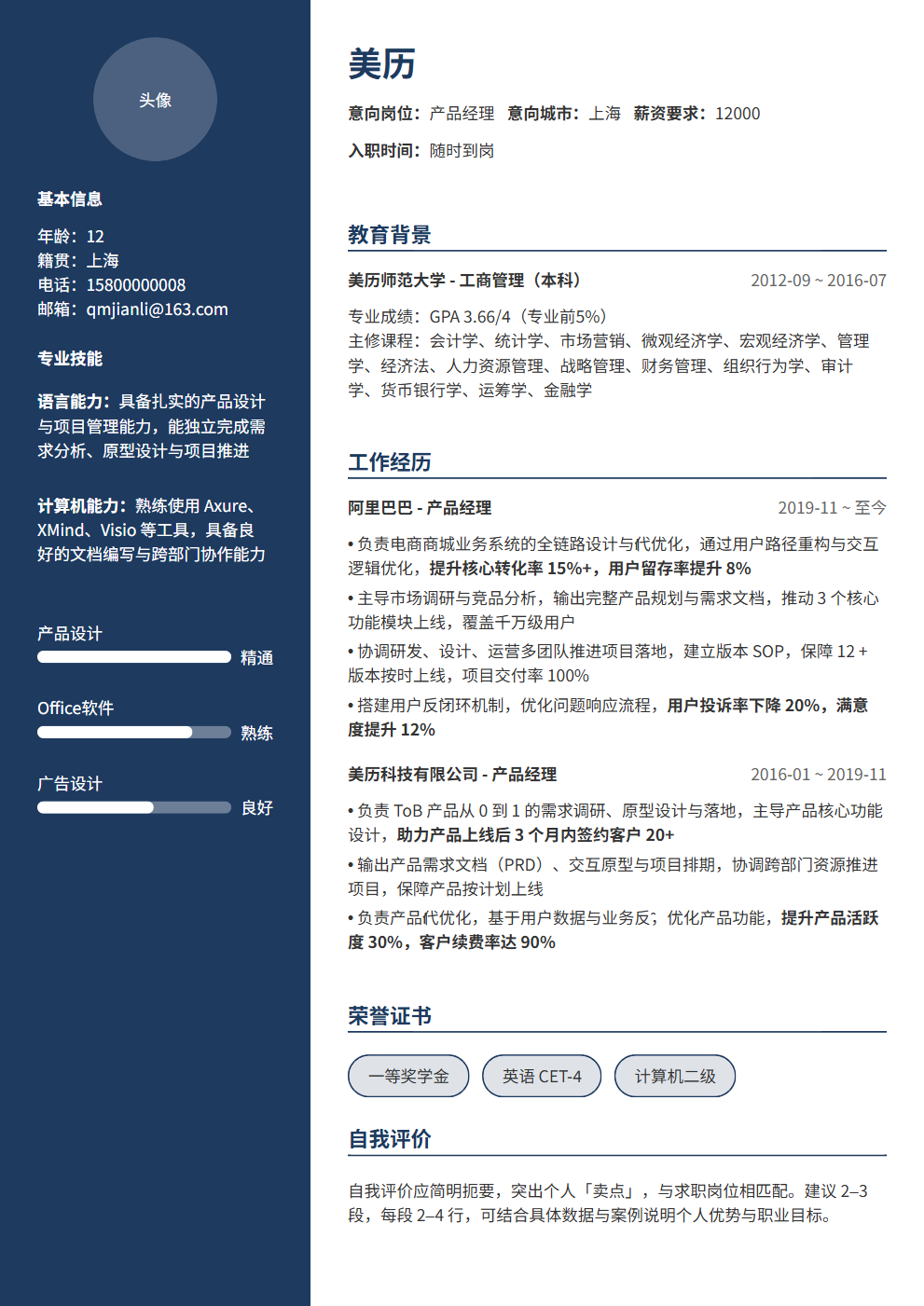
- Preparation one: Update your resume and portfolio. This is the first step in job-hopping and the most easily procrastinated one. Many people think about jumping for 6 months but still haven't updated their resume. Updating your resume isn't "writing a few lines"—it's "re-organizing your career story"—what you've done, what you've achieved, what your core capabilities are. A good resume can triple your job search efficiency
- Preparation two: Build an emergency fund. The transition period may be longer than expected—2-3 months of interviewing, 1 month waiting for an offer, 3-6 months of probation at the new job. Before finding new work, you need at least 3-6 months of living expenses as an emergency fund. Quitting without a safety net might force you to accept a suboptimal offer due to financial pressure—which defeats the purpose of job-hopping
- Preparation three: Do your market research. Don't just look at job postings—talk to headhunters, chat with industry friends, attend industry events. Understand market conditions, learn the real situation at target companies, and gauge where your competitiveness stands in the market. Job-hopping isn't "randomly sending out a few resumes"—it's a "strategic career decision" that requires information to support it
The essence of these 3 preparations is "turning job-hopping from impulse into strategy"—a prepared job-hop is a career upgrade; an unprepared one is a career gamble.
Conclusion: Job-Hopping Isn't Running Away—It's Choosing
When should you change jobs? 5 signals help you judge—no raise for 2 consecutive years means your market value is underestimated, frequent manager changes mean your career development lacks support, shrinking core business means your platform is losing value, zero growth at work means your career assets are depreciating, and physical warning signs mean your body and mind can no longer sustain the current state. 3 situations where you shouldn't jump—just unhappy, less than 1 year on the job, haven't figured out what you want—help you avoid impulsive decisions. 3 preparations before jumping—update your resume, build an emergency fund, do market research—make your transition smoother and more successful. Job-hopping isn't "escaping"—it's "choosing"—choosing a platform that better matches your value, better supports your growth, and better respects your health. Your career is yours—don't let inertia make your decisions for you.
The first step in job-hopping is updating your resume. Use BeautyResume to create a professional, attractive resume—let every career choice start from a strong beginning.