"What's Your Expected Salary?" — 3 Answer Strategies That Won't Leave You Shortchanged
When asked about expected salary in an interview, quoting too high risks elimination, too low means leaving money on the table. 3 strategies help you avoid revealing your bottom line while securing fair compensation: the Delay Tactic, the Range Approach, and the Redirect Method — with specific scripts included.
1. The Expected Salary Question: Too High or Too Low, You Lose
Midway through the interview, HR suddenly asks: "What's your expected salary?" — At that moment, 90% of candidates panic. Quote too high, and HR might see you as unreasonable and eliminate you. Quote too low, and you'll regret being underpaid from day one. The bigger trap: the number you state first often becomes the ceiling for negotiation. Go too low, and HR won't voluntarily raise it. Go too high, and you won't even get a chance to negotiate. How you answer this question directly determines your income for years to come.
2. Three Core Principles for Answering the Salary Question
Before learning specific scripts, understand these three foundational principles:
- Never reveal your bottom line first: Your minimum acceptable salary should never come up during the interview stage. Once stated, your negotiation space is zero
- Learn their budget range first: Before you quote a number, try to understand the salary band for this role to avoid quoting blindly
- Think in terms of total compensation: Don't focus solely on monthly salary — base + bonus + equity + benefits form the complete package, and there's more room to negotiate than you think
Remember: salary negotiation isn't an exam with a correct answer. The core objective is to create the maximum negotiation space without getting eliminated.
3. Strategy #1: The Delay Tactic — Kick the Ball Back
The core idea of the Delay Tactic: don't answer with a number directly. Instead, redirect the question to learn their budget first. Specific scripts:
- Script 1: "I'm quite flexible on salary — I care more about the role's growth potential and team culture. Could you share the salary range budgeted for this position?"
- Script 2: "My current salary is X, and I'm looking for a reasonable increase. But salary isn't my top priority — I'd like to make sure we're aligned on the role's value first. Would you mind sharing the salary band for this position?"
- Script 3: "My salary expectation depends on the specific responsibilities and growth trajectory of the role. I'd rather not give a specific number before understanding the position in detail. Could you share the salary range for this role?"
The advantage of the Delay Tactic: you haven't revealed your bottom line, and you've shifted the pressure to HR. If HR shares the range, you have an anchor point for negotiation. If HR insists you go first, switch to Strategy #2.
4. Strategy #2: The Range Approach — Leave Yourself Ample Room
When HR insists you quote first, use the Range Approach: provide a salary range with meaningful width, where the lower end is your acceptable minimum and the upper end is your ideal number. Specific scripts:
- Script 1: "Based on my market research and experience assessment, my expected salary falls between 15K-20K, adjustable based on role responsibilities and the total benefits package."
- Script 2: "Given my X years of experience and expertise in X, my expected range is 25K-35K. Of course, I'm open to discussing the total compensation package holistically."
Key techniques for the Range Approach:
- The lower bound is your real floor: Don't set it too low — HR will likely negotiate from the bottom of your range
- The upper bound needs justification: It's not a random number — you should be able to explain why: market rates, your scarcity, competing offers, etc.
- Emphasize "adjustable based on total package": This gives you flexibility — if base salary can't go higher, bonuses, equity, or benefits can fill the gap
5. Strategy #3: The Redirect Method — Take Control of the Negotiation
The Redirect Method uses strategic questions to gather information and steer the negotiation. Specific scripts:
- Script 1: "I'd like to understand the compensation structure first — what's the ratio between base and performance pay? That would help me give a more accurate expectation."
- Script 2: "Could you share what the typical salary level is for someone at this level? I'd like to discuss within a reasonable range to avoid a big expectation gap on either side."
- Script 3: "I'd like to clarify — beyond monthly salary, what other benefits and incentive programs does the company offer? Annual bonuses, stock options, supplementary housing fund — these all factor into my salary expectations."
The essence of the Redirect Method: you're not dodging the question — you're gathering intelligence. The more information you have, the stronger your negotiating position. Plus, thoughtful questions signal that you're a mature, rational professional — not someone who gets penalized for discussing compensation.
6. Combining the Three Strategies in Practice
In real interviews, these three strategies aren't used in isolation — they're combined:
- Round 1: HR asks about expected salary → Use the Delay Tactic to kick the ball back
- Round 2: HR insists you give a number → Use the Range Approach to provide a band
- Round 3: HR starts discussing specific numbers → Use the Redirect Method to understand compensation structure and benefits
- Round 4: After gathering complete information → Make your final decision using total-compensation thinking
The key principle: information asymmetry is your biggest disadvantage in salary negotiation. The more information you have, the more precise your quote, and the less likely you are to be lowballed.
7. Answers You Should Never Use
These responses are landmines in salary negotiation — step on them and you lose:
- "Whatever the company's standard is": You've just surrendered all negotiation power — the "standard" is usually the budget floor
- "I currently make X, so a 30% increase would be fine": You've revealed everything — HR only needs to add a tiny bump to your current salary
- "I'm flexible — I care more about growth": HR hears this and puts you at the lowest tier within the budget range
- Quoting a single precise number: E.g., "I want 18K" — no range means no negotiation space
The core of salary negotiation is getting the other side to name a number first. Going second always gives you more advantage than going first. This is basic game theory and the first rule of salary negotiation.
Summary
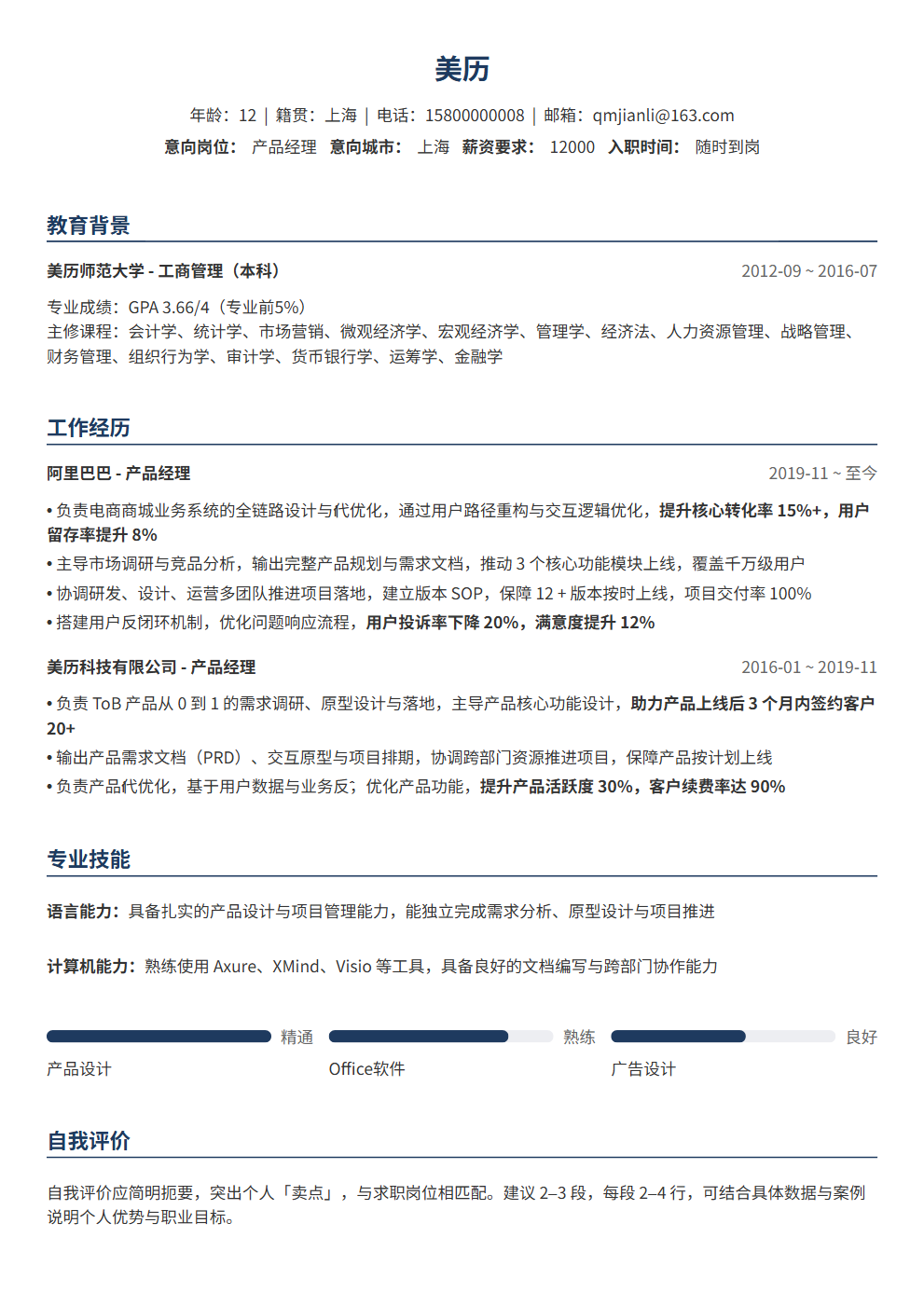
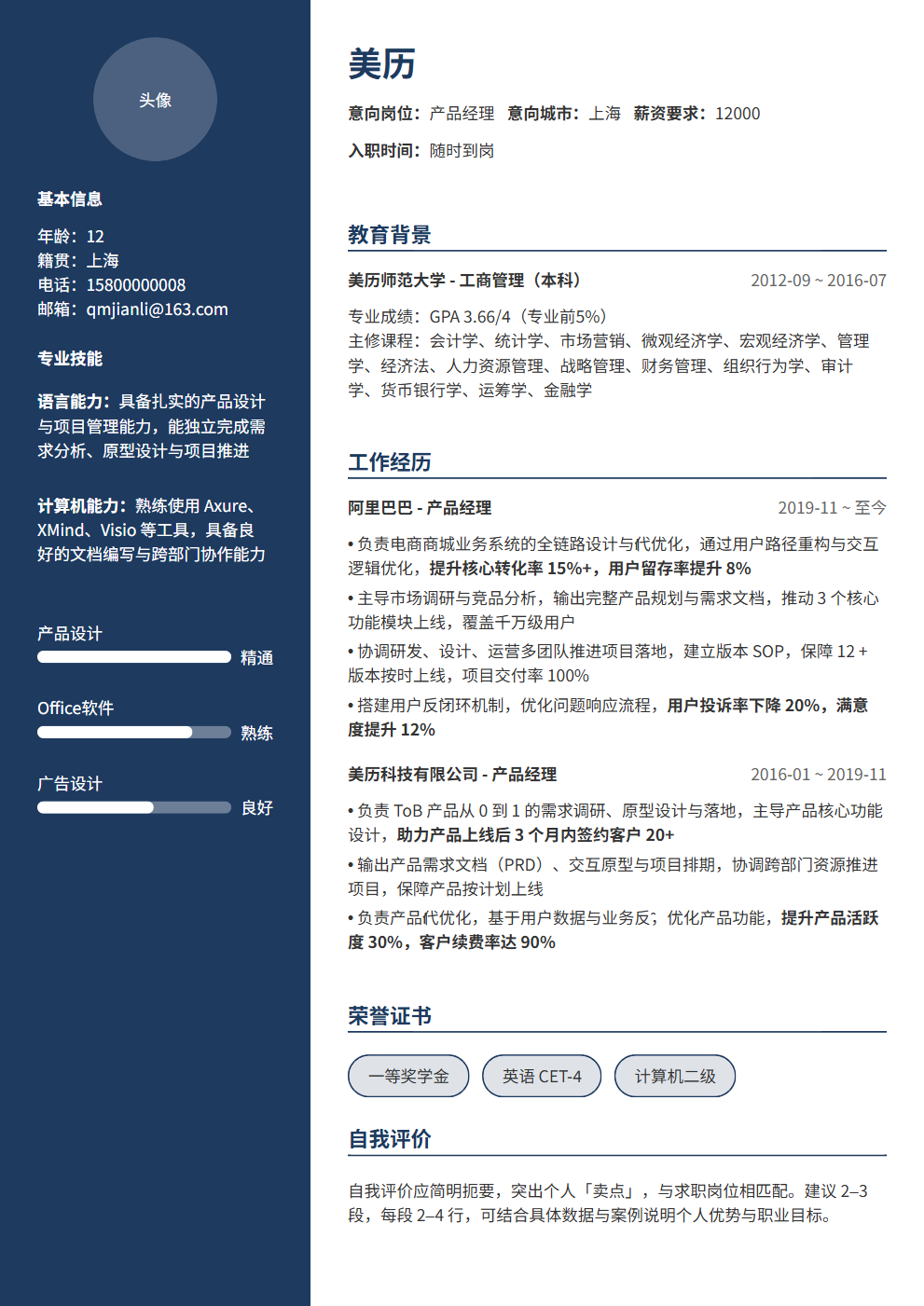
Being asked about expected salary isn't a fill-in-the-blank question — it's an information game. The Delay Tactic buys you information, the Range Approach gives you negotiation space, and the Redirect Method puts you in control. Combine all three, and you won't be eliminated for quoting too high or shortchanged for quoting too low. Remember: the essence of salary negotiation is making the other side show their cards first, then playing yours. And before the interview even begins, a professional resume is your ticket to a high-salary offer — use BeautyResume's optimization tools to make your resume more competitive and professional. Land the interview first, then the salary negotiation actually matters.