What to Do If You're Dismissed During Probation? 3 Scenarios and 4 Legal Facts You Must Know
The moment you're told during probation "you're not a good fit for our company," panic sets in.
The moment you're told during probation "you're not a good fit for our company," panic sets in. Your mind fills with questions: Can the company just fire anyone during probation? Can I get compensation? Am I really that bad? Don't rush to self-doubt — being dismissed during probation doesn't mean "the company has the final say." The law has clear provisions for probation dismissals, and many companies use the probation period as a source of "cheap labor," discarding workers when they're done — which is illegal. Today we'll explain 3 scenarios and 4 legal facts clearly, so you know your rights and how to respond if dismissed during probation.
Scenario 1: Lawful Dismissal — The Company Has Legitimate Reasons
Probation isn't a "get out of jail free card" — if you genuinely don't meet the employment conditions, the company has the right to dismiss you during probation. But "not meeting employment conditions" isn't something the company can just claim — it has strict legal requirements.
- Legal basis: Article 39, Item 1 of the Labor Contract Law states that if a worker is proven not to meet the employment conditions during the probation period, the employer may terminate the labor contract without paying economic compensation
- Key prerequisite: The company must "prove" you don't meet the employment conditions. This means the company must have clearly informed you of the employment conditions upon onboarding and have objective evidence showing you didn't meet them. If the company never told you the employment conditions, or they're vague, they cannot dismiss you for "not meeting employment conditions"
- Common forms of employment conditions: Job requirements in the JD, probation assessment standards signed at onboarding, probation provisions in the employee handbook, probation goals specified in the offer letter. These must be communicated to you at onboarding and you must sign to confirm
- Lawful dismissal process: The company must issue a written dismissal notice stating which employment condition you didn't meet, with supporting evidence, and complete the dismissal during the probation period. If the probation period has already ended, the company can no longer dismiss you for "not meeting probation employment conditions"
- Your rights: Even in lawful dismissal, you have the right to request a written dismissal notice and certificate. If the company refuses, you can file for labor arbitration
Example: Xiao Wang signed probation assessment standards at onboarding, which clearly required "independently completing requirements analysis for 3 projects during probation." After 3 months, Xiao Wang had only completed 1, with subpar quality. The company dismissed Xiao Wang for "not meeting employment conditions" — this is lawful because the conditions were clear, evidence was sufficient, and it was completed within the probation period.
Scenario 2: Unlawful Dismissal — The Company Has No Legitimate Reason
Many companies dismiss employees during probation without being able to produce evidence of "not meeting employment conditions" — the boss just feels "not quite right" or "doesn't seem to work out." This is illegal.
- Common manifestations of unlawful dismissal: The company verbally says "you're not a fit" without written notice; says "probation is a two-way choice, if it doesn't work out you leave" without specifying what doesn't work; suddenly notifies you of dismissal on the last day of probation without any prior assessment or feedback; dismisses you for subjective reasons like "team chemistry doesn't match" or "the boss thinks you're not good enough"
- Legal consequences: Unlawful dismissal requires payment of damages. Under Article 87 of the Labor Contract Law, if an employer illegally terminates a labor contract, it shall pay damages at twice the economic compensation standard. For unlawful probation dismissal, damages = 2 × N × average monthly wage. If you worked less than 6 months, N=0.5, damages = 1 month's wage
- Your rights: You can choose to demand continued contract performance (restoration of employment relationship) or claim damages. If you choose restoration, the company must let you return to work and pay back wages for the dismissal period
- Key evidence: Preserve all communication records — dismissal notices (if verbal, record it), WeChat chats, emails, attendance records, work outputs. These are crucial evidence for arbitration
Example: Xiao Li had been at the company for 2 months when his boss told him: "You don't really fit our team, no need to come tomorrow." No written notice, no assessment standards, no specific explanation of what wasn't suitable. This is a textbook case of unlawful dismissal — Xiao Li can file for labor arbitration and claim damages.
Scenario 3: Probation Exploitation — The Most Vicious Tactic
This is the most infuriating scenario: some companies never intend to keep you — they just use the probation period to get cheap labor, then replace you when it's over. This "probation exploitation" is especially common in certain industries.
- Typical exploitation pattern: The company only hires probation employees long-term, dismissing them when probation ends and hiring new probation employees. This way the company always pays probation wages (usually 80% of regular wages) and never has to give employees full-time status with raises
- High-risk industries: Sales (working hard to build client relationships during probation, which the company keeps when you leave), design (producing proposals during probation, which the company keeps), content operations (writing articles and running campaigns during probation, which the company keeps)
- How to identify: During the interview, ask "why did the last person in this role leave" and "what's the average tenure on this team?" If HR is evasive, or you notice this position is recruited every few months, it's likely an exploitation model. Also check if other employees in the same role are all on probation
- How to respond: Do thorough research before joining — check company reviews, talk to current employees. After joining, preserve all work outputs and communication records. If dismissed after exploitation, you can file for labor arbitration claiming unlawful dismissal damages
The essence of probation exploitation is treating employees as "disposable tools" — use them up and throw them away at minimal cost. If you find yourself exploited, don't suffer in silence — use legal weapons to protect yourself.
Legal Fact 1: Probation Period Has Legal Maximums
The probation period isn't whatever the company wants it to be — the law has clear provisions for probation duration.
- Contract period of 3 months to less than 1 year: probation period cannot exceed 1 month
- Contract period of 1 year to less than 3 years: probation period cannot exceed 2 months
- Contract period of 3 years or more, or open-ended contract: probation period cannot exceed 6 months
- The same employer and the same worker can only agree on one probation period. If the company requires a new probation period for a "position transfer," that's illegal
- The probation period is included in the labor contract period. If the company says "probation first, sign the contract after you become regular," that's illegal — the labor contract must be signed at onboarding, with the probation period included in the contract term
If your probation period exceeds the legal maximum, the excess period is calculated at regular wages. For example, a 2-year contract should have a 2-month probation, but the company set 6 months — the company must pay the difference at regular wages for the extra 4 months.
Legal Fact 2: Probation Dismissal Has Strict Conditions
Many companies think they can "fire anyone anytime during probation" — this is a misunderstanding of the law. Probation dismissal must also meet legal requirements.
- The only lawful reason: Being proven not to meet employment conditions during the probation period. Note the word "proven" — the company must produce objective evidence, not rely on subjective feelings
- Burden of proof is on the company: The company must prove you don't meet employment conditions, not the other way around. If the company can't produce evidence, the dismissal is unlawful
- Dismissal must be completed within the probation period: If the probation period has ended, the company can no longer dismiss you for "not meeting probation employment conditions." Notifying dismissal on the last day of probation is legally permissible, but the company must have sufficient evidence
- Cannot use other reasons to circumvent: The company cannot dismiss you during probation using "economic layoff" or "organizational restructuring" reasons and then claim "probation is a two-way choice." If they use these reasons, they must pay compensation according to regular dismissal standards
Remember: The only lawful reason for probation dismissal is "not meeting employment conditions," and the company must prove it. No other reason applies to probation's special provisions.
Legal Fact 3: Probation Compensation Standards
Dismissed during probation — how much can you get? It depends on whether the dismissal is lawful.
- Lawful dismissal (not meeting employment conditions): No economic compensation required. But the company must settle all wages for your working period, including unpaid wages and overtime pay
- Unlawful dismissal: Pay damages. Damages = 2 × N × average monthly wage. If you worked less than 6 months during probation, N=0.5, damages = 1 month's wage. If you worked 6 months to less than 1 year, N=1, damages = 2 months' wages
- Probation wage standard: Probation wages cannot be less than 80% of regular wages and cannot be less than the local minimum wage. If the company pays below this standard, you can demand the difference
- Double wages for unsigned labor contracts: If the company hasn't signed a written labor contract within 1 month of your onboarding, from the 2nd month onward they must pay double wages. This provision also applies during the probation period
Example: Xiao Zhao's probation salary was 8,000 yuan (80% of the regular 10,000 yuan). After 3 months, he was unlawfully dismissed. Damages = 2 × 0.5 × 8,000 = 8,000 yuan. Additionally, if no labor contract was signed, Xiao Zhao can claim double wage difference for months 2 and 3 = 2 × 8,000 = 16,000 yuan. Total: 24,000 yuan.
Legal Fact 4: Burden of Proof — Whoever Claims Must Prove, But the Company Bears More
The allocation of burden of proof in labor disputes favors workers. Much of the proof burden falls on the company, not you.
- What the company must prove: What the employment conditions were (must have written documentation), whether they informed you of the conditions (must have your signed confirmation), specific evidence that you didn't meet the conditions (assessment results, work output comparisons, etc.), whether the dismissal procedure was lawful (was it within probation, was there written notice)
- What you must prove: That you actually worked at this company (labor contract, wage records, attendance records), the fact that the company dismissed you (dismissal notice, recordings, chat records), your wage standard (pay stubs, bank statements)
- Key reminder: At onboarding, carefully read and keep all signed documents, especially probation assessment standards. If the company never gave you written employment conditions, you can argue in arbitration that "the company never clearly informed me of employment conditions, making the dismissal unlawful"
- Evidence preservation: From day one, keep your labor contract, pay stubs, attendance records, work emails, chat records, and assessment results. If dismissed verbally, always record — audio recordings are among the most powerful evidence
Burden of proof is the most critical aspect of labor arbitration — whoever has evidence has the advantage. Developing the habit of preserving evidence is a hundred times more effective than trying to fix things after the fact.
3 Steps to Take After Being Dismissed
If you're dismissed during probation, don't panic. Follow these 3 steps.
- Step 1: Don't sign anything on the spot. Any document HR hands you — resignation application, mutual termination agreement, voluntary departure statement — don't sign it right away. Tell HR "I need time to think about it, I'll give you an answer tomorrow." Give yourself time to calm down and seek advice
- Step 2: Collect evidence. Immediately after being dismissed, gather all evidence: labor contract, pay stubs, attendance records, work outputs, dismissal notice (if verbal, record it or ask HR to send written notice), and chat records with your boss/HR. These are core evidence for arbitration
- Step 3: Evaluate and act. Assess whether the company's dismissal was lawful — were there clear employment conditions? Was there assessment evidence? Was it within the probation period? If you determine the dismissal was unlawful, you can first negotiate with the company, and if negotiation fails, file for labor arbitration. The arbitration statute of limitations is 1 year — don't delay
The core logic of these 3 steps: don't sign impulsively → preserve evidence → pursue rights rationally. Impulsive signing is the most common mistake — once you sign "voluntary resignation," it's very hard to claim any rights afterward.
How to Prevent Malicious Probation Dismissal
Prevention is better than remedy. The following methods can help reduce the risk of being maliciously dismissed during probation.
- Research the company before joining: Search the company name on Maimai, Kanzhun, and Tianyancha to check for numerous labor disputes or probation conflicts. If the same position is recruited every few months, there's likely a trap
- Confirm employment conditions at onboarding: Always ask what the probation assessment standards are and request written confirmation. If the company says "there are no specific standards," be wary — no standards means the company can define "not meeting conditions" however they want
- Proactively communicate during probation: Don't wait until probation ends to learn you "don't meet conditions." Proactively communicate with your direct supervisor weekly or biweekly to understand your performance and areas for improvement. If your boss never gives feedback, ask for it
- Preserve work outputs: Organize your work achievements weekly — what projects you completed, what metrics you hit, what problems you solved. These aren't just basis for becoming regular; they're also evidence if you're dismissed
- Know your rights: Understand probation period limits, dismissal conditions, and compensation standards — the more you know the law, the less the company can push you around
The core of prevention is "information symmetry" — you know the company's standards, and the company knows you're keeping records. This transparency itself is the best protection.
Conclusion: Probation Isn't the Company's "Liability-Free Zone"
There are 3 scenarios for probation dismissal: lawful dismissal (company has clear employment conditions and evidence), unlawful dismissal (company dismisses without evidence), and probation exploitation (use and replace). You must know 4 legal facts: probation period has legal maximums, dismissal must prove you don't meet employment conditions, unlawful dismissal requires damages, and the burden of proof primarily falls on the company. After being dismissed, follow 3 steps: don't sign, collect evidence, evaluate and pursue rights. Prevention is more important than remedy: research the company before joining, confirm standards at onboarding, communicate proactively during probation, and preserve work outputs. Probation isn't the company's "liability-free zone" — your rights don't diminish just because you're still on probation. Take every penny of compensation you're owed, and yield none of the rights you deserve.
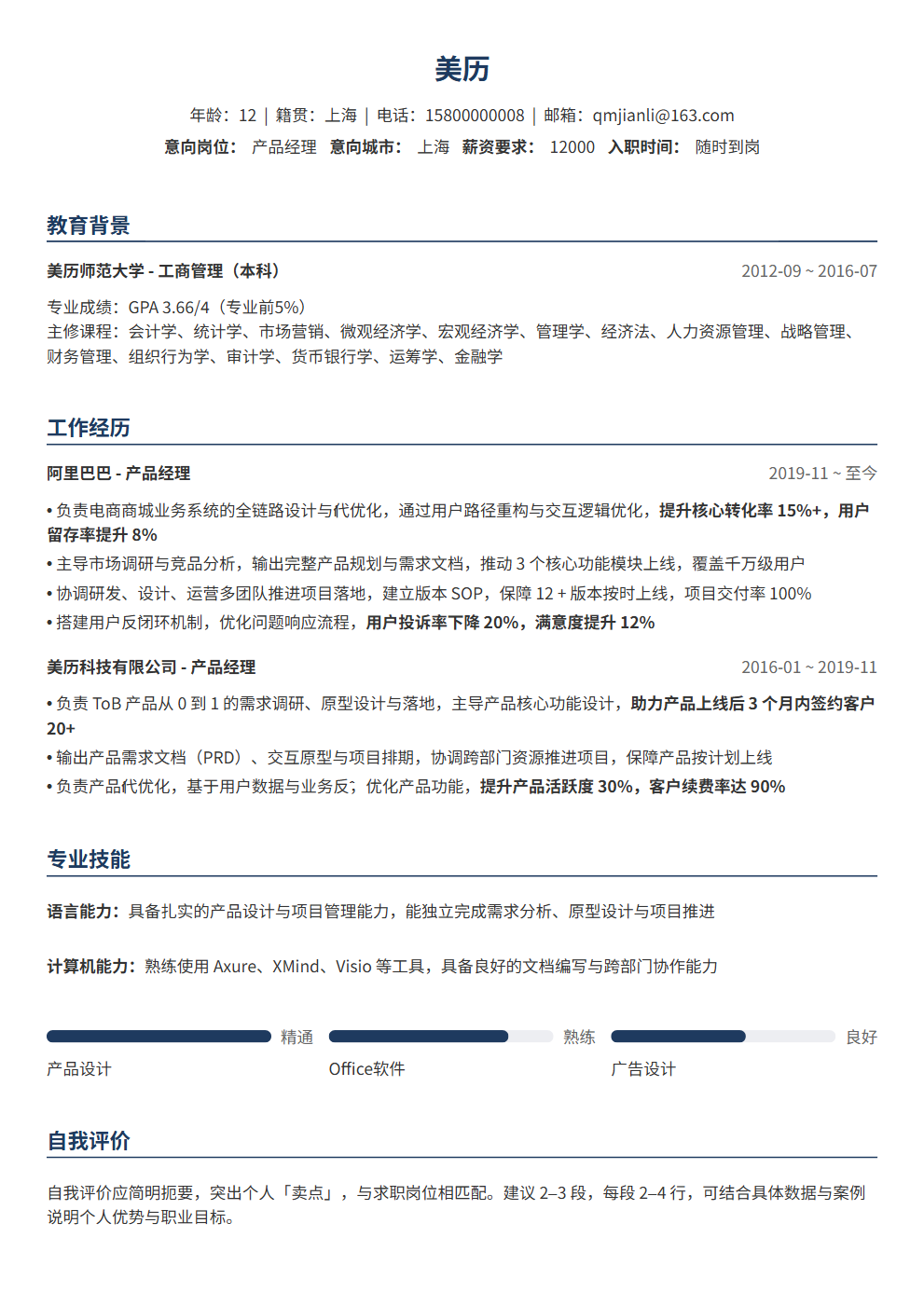
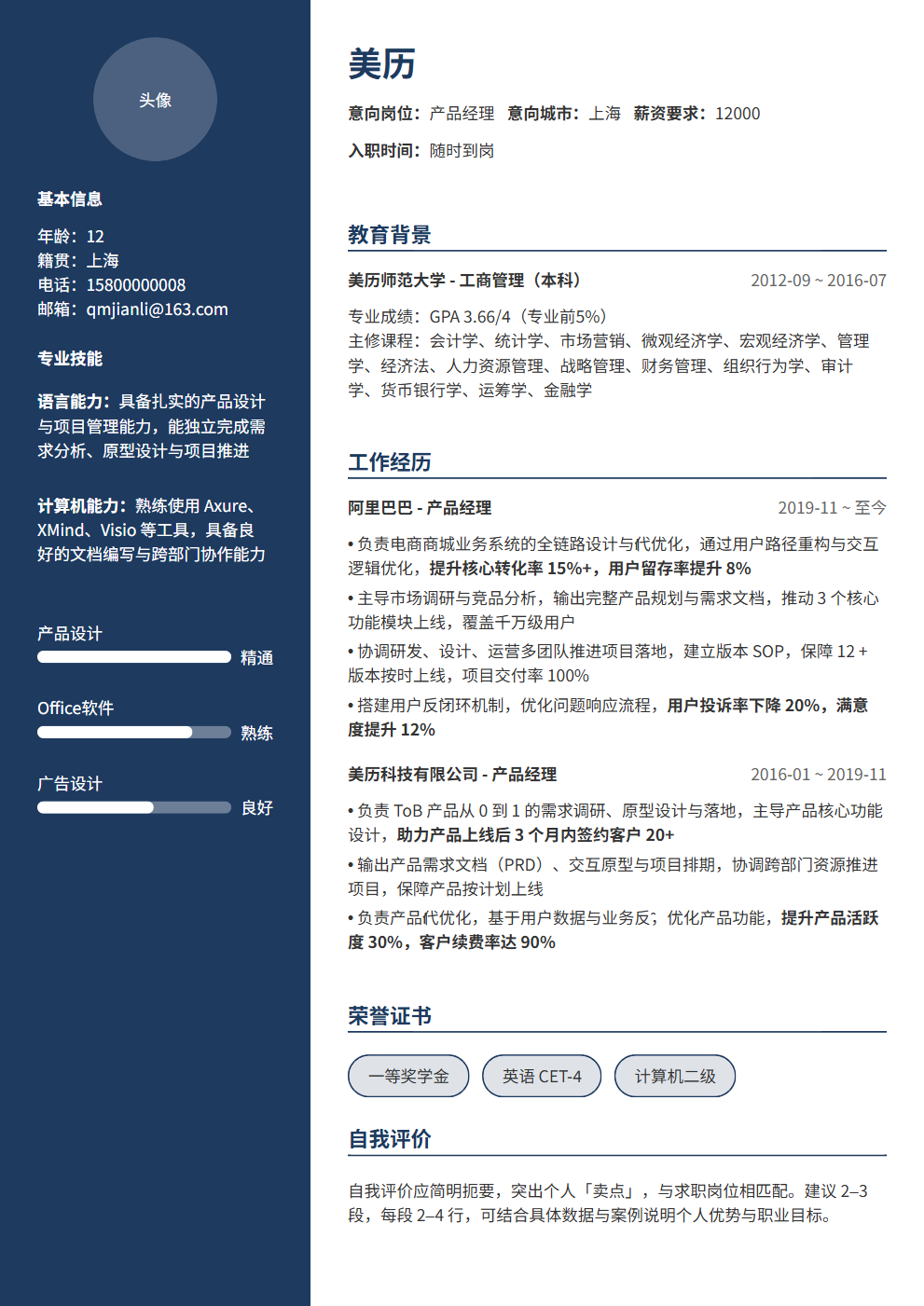
After being dismissed during probation, the first thing to do is update your resume and start fresh. Use BeautyResume resume editor to quickly organize your work experience and achievements — even if your probation was short, you can maximize the value of every experience and help yourself land the next interview opportunity sooner.