What to Do If You're Dismissed During Probation as a Fresh Grad — 3 Response Strategies and 4 Legal Facts You Must Know
Told you're "not a fit" during probation and told to pack up? Not so fast — you may have compensation you can claim. 3 response strategies and 4 legal facts help you protect your rights when dismissed during probation, so you don't walk away empty-handed.
Dismissed During Probation — Don't Panic, Know Your Rights First
You're told during probation "You're not a fit, don't come in tomorrow" — many fresh grads' first reaction is hurt, self-doubt, then quietly packing up and leaving. But did you know? Dismissing someone during probation isn't something the company can do with just a word. You have legally protected rights, and in some cases, you're entitled to financial compensation. Don't take a loss just because you "just graduated and don't know better." Here are 3 response strategies and 4 legal facts to help you protect yourself if dismissed during probation.
Legal Fact 1: Probation Dismissal Must Have a "Lawful Reason"
Many companies think they can "dismiss anyone at any time without reason during probation" — that's wrong. Under labor law, even during probation, employers must have statutory grounds for termination.
- Lawful dismissal reasons include: failing to meet employment conditions (but the company must prove specifically how you failed, and those conditions must have been clearly communicated to you in advance), serious violation of company rules, serious dereliction of duty causing significant damage to the company, etc.
- Unlawful dismissal reasons: Your boss doesn't like you, team headcount is being reduced, business restructuring means the position is no longer needed — these are not lawful grounds for probation dismissal. If a company dismisses you for these reasons, it constitutes unlawful termination of the employment contract.
- Key point: When a company says "you don't meet employment conditions," two prerequisites must be met simultaneously — first, the employment conditions were clearly communicated to you at the time of hiring (with written documentation); second, there is objective evidence proving you don't meet those conditions (not just the manager's subjective assessment). If the company can't produce both, the dismissal is unlawful.
Legal Fact 2: Probation Dismissal May Also Come with Financial Compensation
Many people assume there's no compensation for probation dismissal — that's not necessarily true. It depends on whether the dismissal is lawful.
- Lawful dismissal (proven failure to meet employment conditions): The company doesn't need to pay severance, but must settle all wages for your period of employment, including wages for days worked and accrued unused annual leave. Wages must be paid in full at the time of departure — they can't be deferred to the next pay cycle.
- Unlawful dismissal (unable to prove failure to meet employment conditions): You can choose to demand continued performance of the employment contract (reinstatement), or demand the company pay damages for unlawful termination. The damages standard is 2x the severance amount — for each full year worked, 2 months' salary (less than 6 months counts as half a month, 6 months to less than 1 year counts as 1 month). Since probation is typically under 6 months, damages would be 2x half a month's salary = 1 month's salary.
- Practical advice: If the company unlawfully dismisses you, do NOT sign any "voluntary resignation" or "mutual agreement to terminate" documents. Once signed, you waive your right to claim unlawful termination damages. If the company asks you to sign, clearly state your disagreement and preserve all communication records.
Legal Fact 3: Social Insurance and Wage Protections Apply During Probation Too
Some companies don't pay social insurance during probation or reduce probation wages — these are illegal.
- Social insurance: The probation period is part of the employment contract term. The company must enroll you in social insurance (pension, medical, unemployment, work injury, maternity) from your first day. Not paying social insurance during probation is illegal — you can file a complaint with the social insurance bureau and demand the company make retroactive payments.
- Probation wages: Under labor law, probation wages cannot be less than 80% of the lowest wage for the same position at the company, and cannot be less than the local minimum wage standard. If your probation wage falls below this threshold, you can demand the company make up the difference.
- Overtime pay: Overtime during probation must also be compensated at the same rates as regular employees — 1.5x for weekday overtime, 2x for weekend overtime, 3x for statutory holiday overtime. The company cannot deny overtime pay on the grounds of "probation period."
Legal Fact 4: Separation Certificate and File Transfer Are the Company's Legal Obligations
Leaving isn't just about walking out the door — the company has legal obligations to complete departure procedures.
- Separation certificate: The company must issue a separation certificate at the time of contract termination and complete the transfer of your personnel file and social insurance relationships within 15 days. The company cannot refuse to issue a separation certificate for any reason, nor can it withhold it claiming "handover isn't complete."
- If the company refuses to issue a separation certificate, preventing you from joining a new company, you can demand the company compensate for losses caused. Preserve the new company's offer letter and evidence that you were rejected for onboarding due to inability to provide a separation certificate.
- Fresh grads take special note: If you joined through campus recruitment, your personnel file may be at the company or a talent market. When leaving, be sure to confirm where your file is being transferred — don't let it "disappear," or it will affect future onboarding and social insurance contributions.
Strategy 1: When Notified of Dismissal — Stay Calm and Collect Evidence
The moment you're notified of dismissal, your first reaction shouldn't be anger or hurt — it should be calmly collecting evidence. Because once you leave the company, much of that evidence becomes inaccessible.
- What to do on the spot: Request the company issue a written dismissal notice stating the reason. If the company only gives verbal notice, you can say "I need written notice to process departure procedures." If the company refuses, write your own memo recording the time, location, people present, and stated reason for dismissal, and email it to your personal account.
- Evidence to collect: Employment contract, pay stubs/bank statements, attendance records, work products (emails, documents, project records), documents related to employment conditions, communication records with managers/HR (chat screenshots, emails). This evidence is crucial for any subsequent legal action.
- What NOT to do: Don't sign any "voluntary resignation" or "mutual termination" documents on the spot. Don't say things like "I quit" in the heat of the moment — the company could use this as evidence of voluntary resignation. Don't delete any work files — the company could hold you liable for that.
Strategy 2: Determine Whether the Dismissal Is Lawful — This Decides Your Path
After collecting evidence, calmly assess whether the company's dismissal is lawful. Different conclusions lead to different courses of action.
- If the dismissal is lawful (the company can prove you didn't meet employment conditions): Accept the outcome, demand settlement of all wages and accrued unused leave, get your separation certificate, and start looking for the next job. Don't waste time fighting a lawful dismissal — finding new opportunities is a better use of your time.
- If the dismissal is unlawful (the company can't prove it, or the reason doesn't hold): You have two options — first, demand reinstatement and continue working at the company (if you want to stay); second, demand unlawful termination damages (if you don't want to stay). Most fresh grads choose the second option.
- Channels for asserting your rights: First negotiate with the company (preserve negotiation records); if negotiation fails, file a complaint with the local labor inspection office; if the complaint is unresolved, file for labor arbitration. Labor arbitration is free, and rulings are typically issued within 60 days of acceptance.
Strategy 3: Mental Adjustment After Dismissal — This Isn't the End of the World
Being dismissed during probation hits fresh grads hard. But remember: probation dismissal doesn't mean you lack ability — often it's simply a "mismatch" — mismatched role, mismatched culture, mismatched team. One mismatch doesn't define you.
- Allow yourself to feel upset, but don't self-reject. Common reasons for probation dismissal include: company business restructuring, team headcount reduction, management style mismatch with your direct supervisor, significant gap between job description and actual work — these aren't ability issues.
- Debrief this experience: What interview signals did you miss (e.g., the manager made you uncomfortable during the interview)? What could you have learned about before joining (e.g., company culture, team atmosphere)? This experience will help you make clearer choices next time.
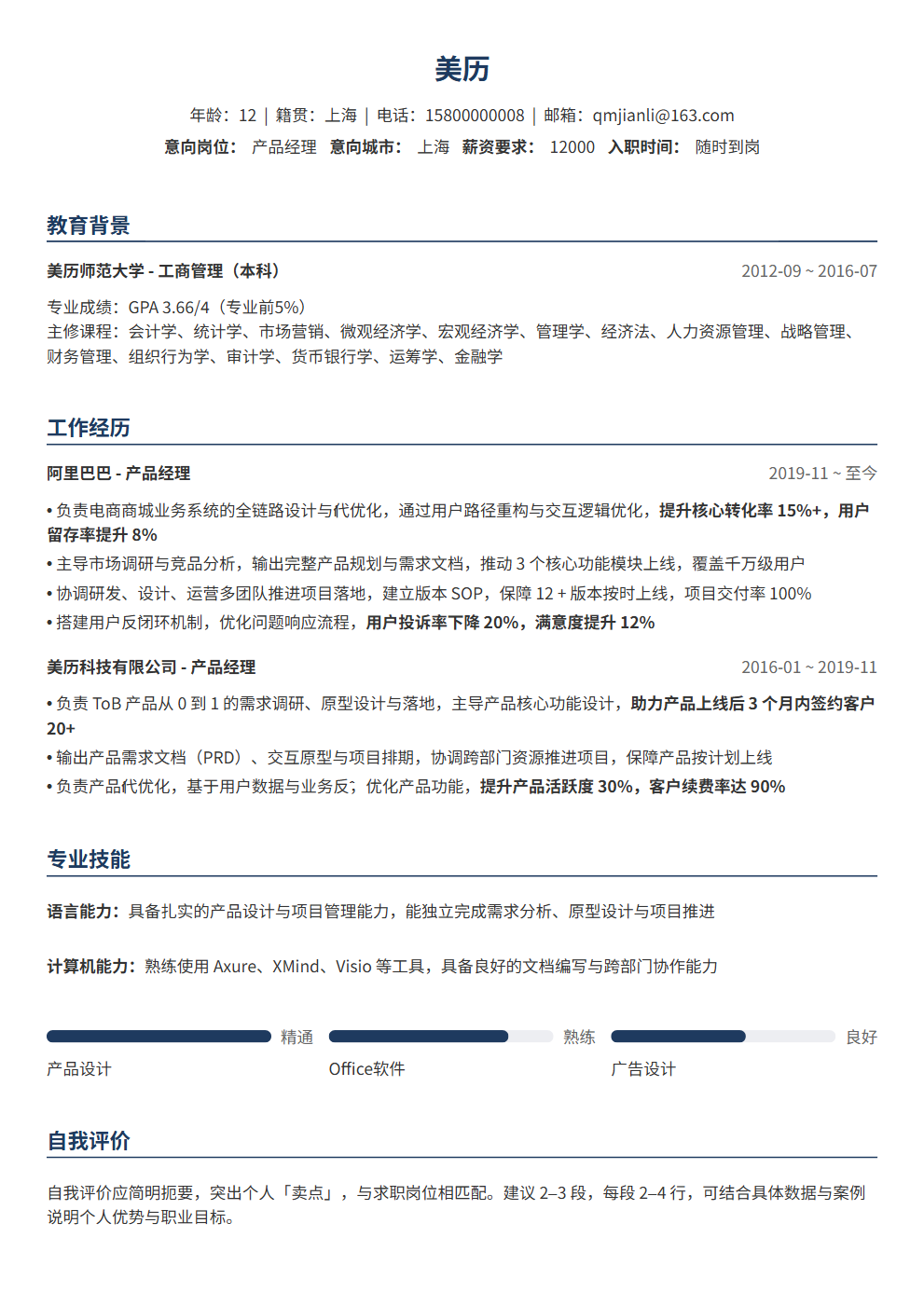
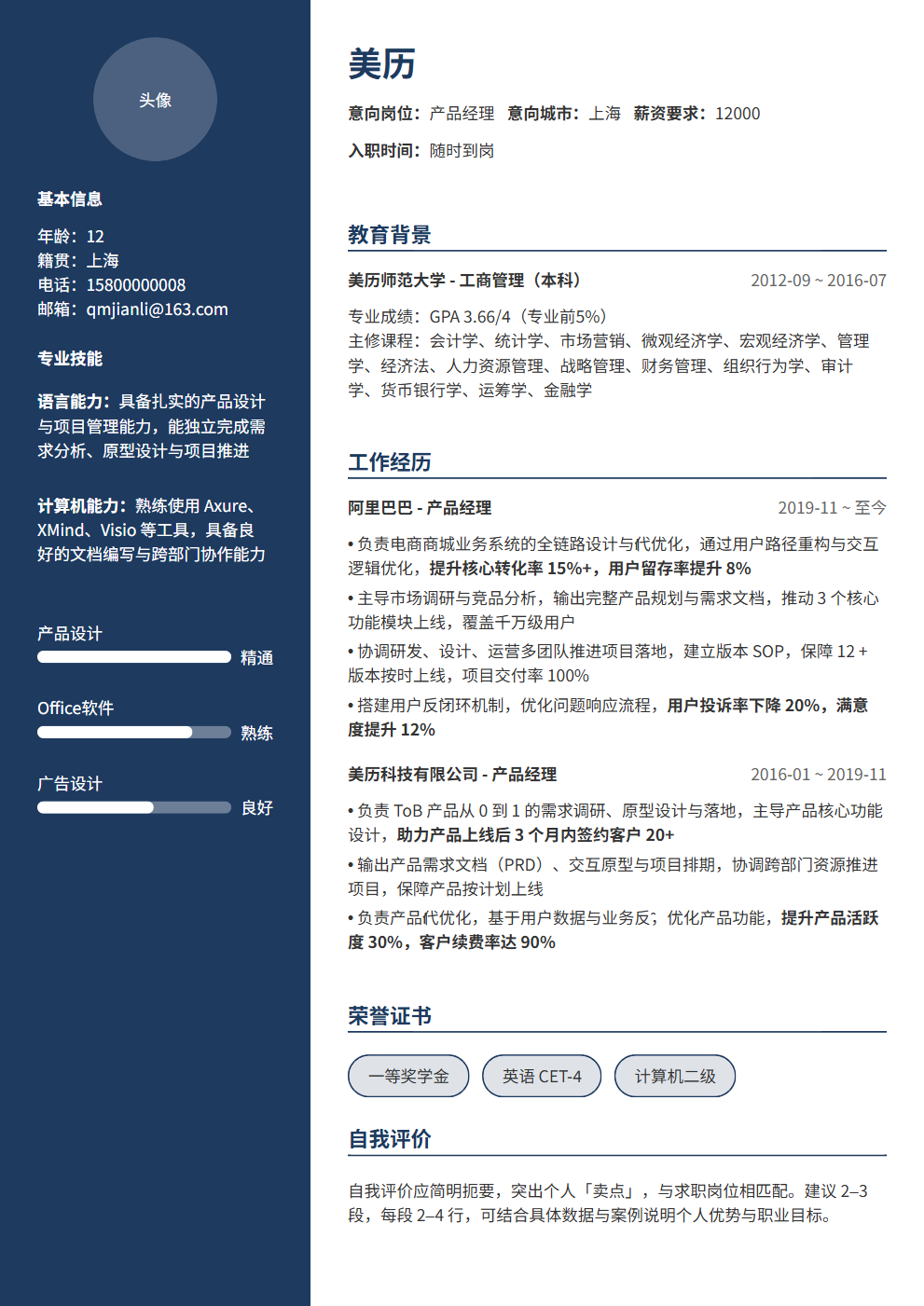
- How to handle it on your resume: Work experience under 3 months during probation can be omitted. If you include it and are asked about it in interviews, you can honestly say "During probation, I found a significant gap between the role and my expectations, and we mutually agreed to part ways" — this is more neutral than saying "I was fired" and isn't dishonest.
Probation Dismissal Isn't the End — Protect Your Rights Before Moving On
The worst part of probation dismissal isn't losing the job — it's losing your rights. Many fresh grads, not knowing the law, miss out on compensation they're owed, social insurance that should have been paid, and separation certificates they should have received — walking away with nothing. Remember these 4 legal facts: probation dismissal must have lawful grounds, unlawful dismissal carries damages, social insurance and wage protections apply during probation, and separation certificates are the company's legal obligation. When notified of dismissal, collect evidence first, assess whether the dismissal is lawful, and choose the right path for asserting your rights. Mentally, probation dismissal is just a "mismatch," not a "failure" — debrief the experience and start fresh. If you're looking for a new job, try BeautyResume's resume editor — professional resume templates help you quickly update your experience, and smart role matching helps you find better-fitting opportunities, so you can avoid detours on your job search.