The Complete Employment Background Check Guide: Scope, Resume Boundaries, References, and Disclosure
Nervous about your new company's background check? Will your polished resume come back to bite you? 5 truths reveal what checks actually investigate, how they do it, and how deep they go — plus 3 strategies to survive the process without a hitch.
What Background Checks Actually Investigate — 5 Truths and 3 Strategies to Handle Them
Nervous about your new company's background check? Will your polished resume come back to bite you? 5 truths reveal what checks actually investigate, how they do it, and how deep they go — plus 3 strategies to survive the process without a hitch.
Truth 1: Background Checks Don't Investigate Everything — The Scope Is Narrower Than You Think
Many people panic at the mention of a background check, imagining the new company will dig into everything from birth to present. In reality, the scope is far narrower than you'd expect.
- Identity verification: Confirming you are who you say you are — ID number, degree certificates, professional certifications. These are hard verifications; faking them is nearly impossible to get away with. But if you haven't faked anything, there's nothing to worry about.
- Employment history verification: Confirming the companies, titles, and dates on your resume are accurate. The check company will contact your references to verify start dates, end dates, and job titles. Note: they verify "facts," not "opinions."
- Education verification: Verifying your education through official channels like CHSI (China Higher Education Student Information). If your stated degree is genuine, this step is a non-issue. If you inflated your education, you will get caught — education fraud is the easiest thing to detect in a background check.
- Criminal and litigation records: Some industries (finance, education, healthcare) check criminal records and litigation history. Most other industries don't, unless you're applying for an executive or sensitive position.
What background checks don't investigate: your salary history (unless you voluntarily provide it), your social media accounts, your family background, your personal life. Check companies don't have the authority or motivation to dig into these areas.
Truth 2: Background Checks Mostly Rely on Phone Calls — Not Hacking
Many people imagine background check companies using sophisticated methods to dig up information. In reality, the core method is simply — making phone calls.
- Contacting your provided references: The check company will ask you for 2-3 references, typically former direct managers or HR. They'll call these people to verify your employment history. Questions usually include: Did this person work at your company? What was their title? Do the dates match?
- Contacting company HR directly: Beyond your provided references, the check company may contact your former company's HR department to verify basic information like employment dates and job titles. HR typically only confirms objective facts and won't volunteer opinions about your performance.
- No "secret interviews": Check companies won't secretly contact people you don't know about. You'll be informed of who they're contacting. If they want to reach someone you didn't list as a reference, they need your consent first.
- What your references say matters: While HR typically only confirms facts, if your provided reference (like a former boss) volunteers negative comments, the check company will record them. That's why choosing the right references is critical — pick people who like you and respect your work.
Truth 3: Resume Polishing vs. Resume Fraud — A Fine Line With Drastically Different Consequences
This is the most critical question in background checks: which "polishing" is safe, and which "fraud" will get you caught?
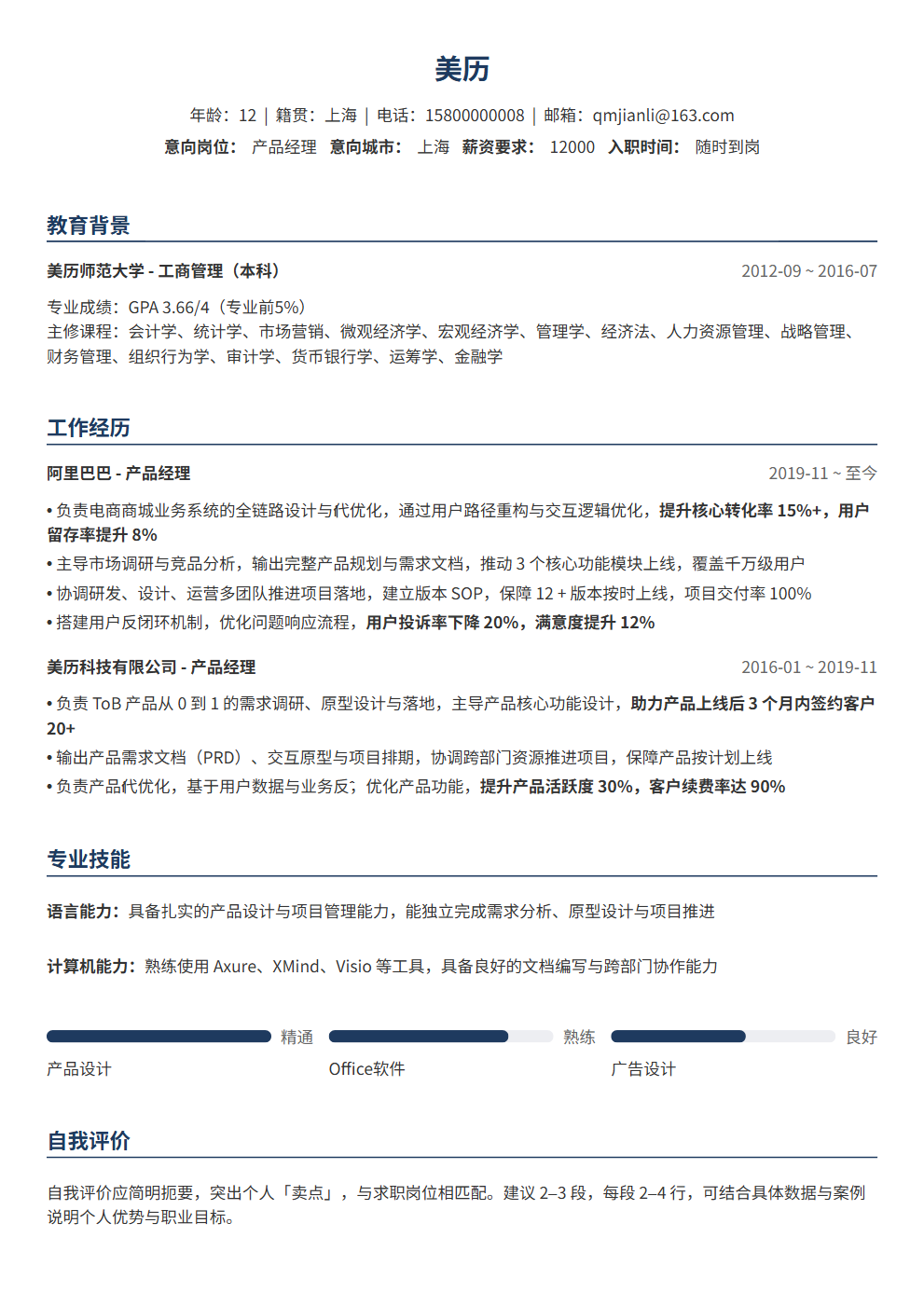
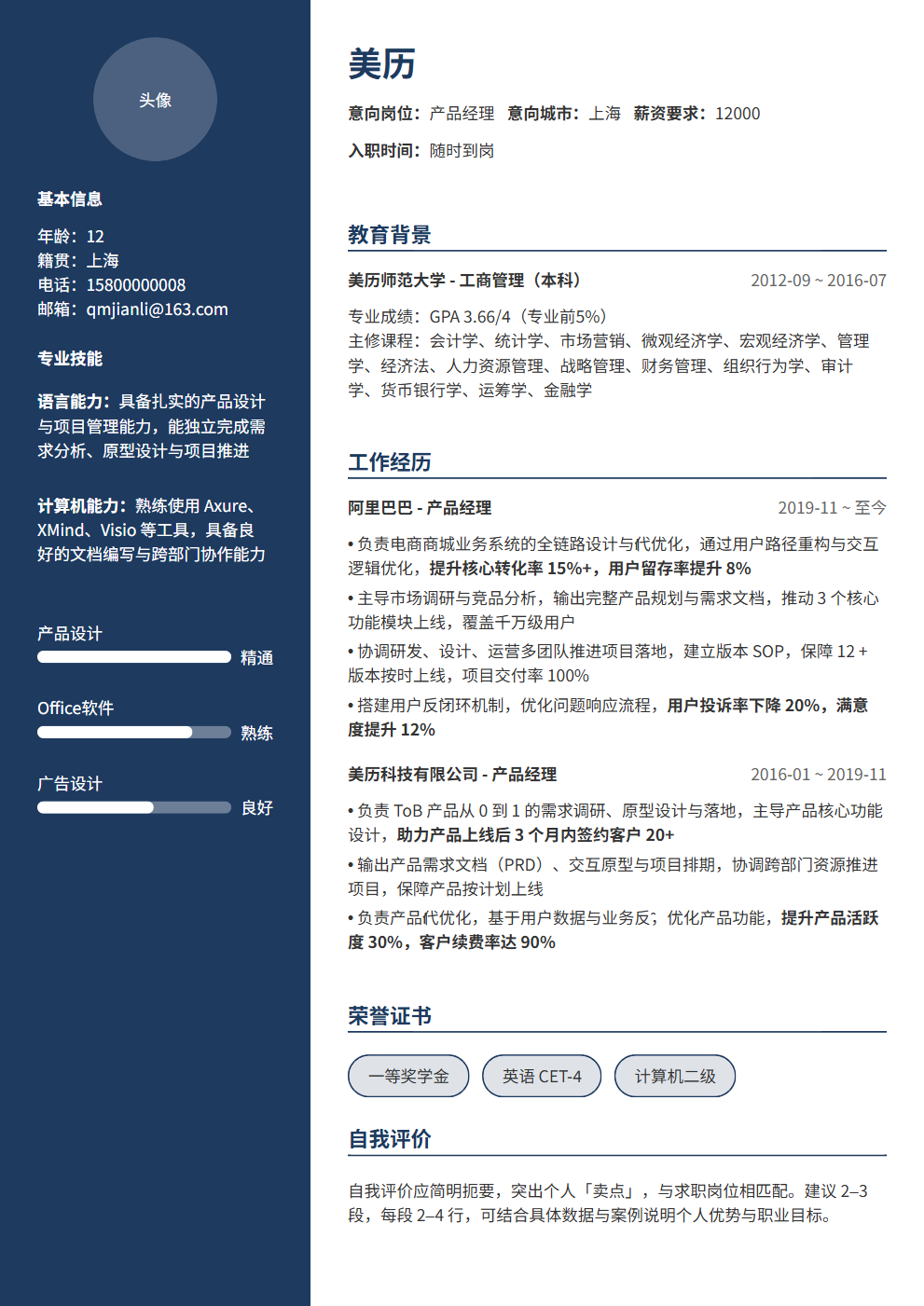
- Safe "polishing": Quantifying achievements ("managed project" becomes "led project, improved efficiency by 30%"), highlighting your contributions (de-emphasizing others' roles in team achievements), using professional language ("odd jobs" becomes "comprehensive operations support"). These are presentation-level optimizations — the facts haven't changed, and a background check won't catch them.
- Dangerous "fraud": Fabricating work experience (listing a company you never worked at), inflating titles (listing "full-time employee" when you were an intern), falsifying dates (writing "1 year" when you actually worked 8 months), claiming others' projects as your own. These involve factual fabrication and will be exposed immediately in a background check.
- Gray area: Merging short stints (combining a 3-month + 2-month tenure into "5 months"), obscuring title changes (presenting a demotion as a lateral move). These aren't outright fraud, but if pressed for details, you may struggle to explain. Best practice: be truthful but frame it positively.
- A simple test: If the check company called your former boss and asked "What was this person's title and how long did they work here?" — what would your boss say? If their answer differs from what's on your resume, it's fraud. If it matches but your wording is just more professional, it's polishing.
Truth 4: Check Depth Correlates With Seniority — Junior Roles Get Lighter Checks
Not all background checks are equally thorough. The depth and breadth depend directly on your role level and industry.
- Junior roles: Typically only identity and education verification, maybe a quick call to the former company's HR to confirm you worked there. Short scope, completed in 1-3 days.
- Mid-level roles: Employment history verification, reference contacts, education and certification checks. The check company will make 2-3 phone calls asking basic questions. The process takes about 3-5 business days.
- Executive roles: Deep background checks including employment verification, reference interviews, criminal record checks, litigation searches, and even financial investigations. The check company may contact 5+ references with in-depth interviews lasting 30-60 minutes. The process can take 1-2 weeks.
- Special industries: Finance checks professional licenses and regulatory violations; education checks criminal records and professional conduct; healthcare checks medical licenses and malpractice records. These industries have stricter checks than average.
Truth 5: The Consequences of Failing a Background Check — More Serious Than You'd Expect
Failing a background check isn't just "oh well, I won't get this job." The consequences can affect you for a long time.
- Immediate consequence: Offer withdrawal. This is the most common outcome. If the check reveals resume fraud, the new company can rescind the offer with no compensation required.
- Post-hire discovery: Some companies run checks after you've started. If fraud is discovered after hiring, the company can terminate you for "providing false information" with no severance. This means you could lose both your new job and your old one.
- Industry blacklisting: Some industries have internal information-sharing mechanisms. If you're rejected due to a failed background check at one company, other companies may learn about it. Especially in finance and consulting, the circle is small — one failure can haunt your job search for 3-5 years.
- Legal risk: If resume fraud leads a company to make a wrong hiring decision, they could theoretically pursue legal action. While actual lawsuits are rare, the risk is real.
Strategy 1: Only Write What Can Withstand Verification
The most fundamental strategy: from the moment you write your resume, make sure every statement can pass a background check.
- Employment history: Company names, titles, and dates must be 100% accurate. Even a one-month discrepancy can be caught. If you're unsure about exact dates, check your employment contracts or social security records.
- Project experience: Write about projects you actually participated in. Don't claim others' projects as your own. You can say "participated in Project X, responsible for Module Y" — but don't say "led Project X" if you were just a participant.
- Education and certifications: Be truthful. Don't inflate credentials. Education fraud is the easiest to detect and carries the most severe consequences. If you have a non-traditional degree, state it honestly — many companies don't discriminate against non-full-time degrees, but all companies discriminate against fraud.
- Salary: If asked about your previous salary, be honest. Many companies require salary statements or tax records for verification. Getting caught inflating your salary destroys trust instantly.
Strategy 2: Prepare Your References in Advance
References are the most critical part of a background check. Having reliable references lined up means you're more than halfway to passing.
- Who to choose: Your former direct manager is the top choice, followed by a former colleague you're on good terms with, then a cross-department collaborator. Avoid anyone you've had conflicts with, and avoid people who left the company long ago and may not remember you well.
- Communicate in advance: Before submitting reference information, talk to each person first. Let them know you're job hunting and a check company may contact them. Briefly mention how you'd like them to describe your work — this isn't coaching them to lie, it's helping them recall your highlights. They may have managed many people and not remember all your details.
- Prepare backups: Have at least 4-5 potential references ready. Check companies typically require 2-3. Extra backups ensure you're covered if someone is unreachable or unwilling to participate.
- Thank your references: After the check is complete, thank your references. A call or a message is enough. These people helped you — you may need them again someday.
Strategy 3: Proactive Disclosure Is 100x Better Than Being Caught
If your history has parts that are "hard to explain," disclosing them proactively is far better than having them discovered during a background check.
- Short stints: If you worked somewhere for only 2-3 months before leaving, address it upfront rather than hiding it. You can say in the interview: "I worked at Company X for 3 months and left because of Y. This experience helped me understand what kind of work suits me better." If you say it yourself, the check confirming it isn't a problem. Hiding it and having it discovered makes you look dishonest.
- Being fired: If you were let go, don't write "voluntarily resigned." The check will reveal the real reason. Better to be honest in the interview: "The company restructured and my position was eliminated." Being laid off isn't shameful — lying is.
- Title discrepancies: If your actual title doesn't perfectly match what's on your resume, narrow the gap proactively. For example, if you wrote "Senior Operations" but your official title was "Operations," explain in the interview: "My official title was Operations, but I handled senior-level responsibilities — managing Project X and leading Team Y."
- Employment gaps: If you have a significant gap, explain it proactively rather than waiting to be asked. "I took 6 months to study for certification X / care for family / reassess my career direction." A reasonable explanation doesn't hurt you — hiding it does.
5 Truths and 3 Strategies for Background Checks
5 truths: The check scope is narrower than you think (identity, employment, education, criminal records — not salary history or social media), checks mainly rely on phone calls (contacting references and HR, no secret investigations), resume polishing vs. fraud is a fine line (polishing optimizes presentation, fraud fabricates facts — the test is what your former boss would say), check depth correlates with seniority (junior: light, mid: basic, executive: deep, special industries: stricter), failing a check has serious consequences (offer withdrawal, post-hire termination, industry blacklisting, legal risk). 3 strategies: Only write what can withstand verification (company/title/dates 100% accurate, don't claim others' projects, be truthful about education, don't inflate salary), prepare references in advance (choose direct managers and friendly colleagues, communicate beforehand, prepare backups, thank them afterward), proactive disclosure beats being caught (address short stints upfront, don't hide terminations, explain title discrepancies early, proactively explain gaps). Background checks aren't scary — what's scary is having something to hide. If you're preparing your job-hopping resume, try BeautyResume's resume editor — smart content suggestions help you write every experience professionally and truthfully, making the background check a confirmation of your strengths rather than a source of anxiety.