Tripartite Agreement vs. Labor Contract for Fresh Grads: 5 Legal Essentials You Must Know Before Signing
Got an offer and think you're all set? A tripartite agreement and a labor contract are two very different things. Signing the wrong one could cost you your fresh graduate status, trigger penalty fees, or even affect your household registration. These 5 legal essentials will help you avoid signing traps.
Signing Season Is Here: Tripartite Agreement vs. Labor Contract — Getting It Wrong Could Cost You Dearly
Every year from June to August, fresh graduates enter peak signing season. Many students excitedly sign on the dotted line the moment they receive an offer, without understanding the difference between a tripartite agreement and a labor contract. The consequences? Some face penalty fees of thousands of yuan for backing out of a tripartite agreement, others lose their fresh graduate status without realizing it, and still others find their household registration affected by unclear contract terms. Signing is the first step of your career — don't let legal blind spots hold you back.
What Is a Tripartite Agreement? 3 Core Differences from a Labor Contract
The tripartite agreement, formally known as the "National Employment Agreement for Regular Higher Education Graduates," is an employment intent letter signed by three parties: the university, the employer, and the graduate. A labor contract is a legal document establishing the employment relationship between you and the employer. They are fundamentally different:
- Different nature: The tripartite agreement is an employment intent letter, not a labor contract. It confirms your intention to work at a given company — not a formal employment relationship. The labor contract is the legal document protected under the Labor Law and Labor Contract Law.
- Different binding force: The tripartite agreement's enforceability comes mainly from its own penalty clauses and is not governed by the Labor Contract Law. A labor contract is fully protected under the Labor Contract Law — your salary, social insurance, working hours, and leave entitlements are all secured by it.
- Different penalty clauses: The tripartite agreement can stipulate penalty fees with no legal cap — the amount is typically negotiated between parties. In a labor contract, penalty fees are only allowed in two scenarios: breach of training service period agreements and breach of non-compete clauses. Any other penalty fee provisions are invalid.
5 Things You Must Verify Before Signing a Tripartite Agreement
Once signed, a tripartite agreement takes effect immediately, and the cost of termination can be steep. Before signing, verify these 5 points item by item:
- Penalty fee clause: This is the most critical clause. Many employers set penalty fees between 3,000 and 5,000 yuan, but some go as high as 10,000 or more. You must review the penalty amount and assess your own risk before signing. If the fee seems excessive, try negotiating it down.
- Probation period terms: Does the tripartite agreement specify the probation period duration and salary? Under the Labor Contract Law, contracts of 1-3 years have a maximum probation of 2 months; contracts of 3+ years or open-ended contracts have a maximum of 6 months. Probation salary cannot be less than 80% of the regular salary.
- Whether position and salary are specified: Many tripartite agreements simply state "hired" without specifying the position or salary. Cases of position reassignment and salary reduction after onboarding are common. Insist on having the specific position title and compensation written into the agreement.
- Reporting date: Confirm the onboarding date to avoid conflicts with thesis defense or campus departure procedures. If the date changes, communicate with the employer promptly.
- Termination process: Understand in advance what documents are needed, how long it takes, and whether university approval is required. Some schools process termination requests slowly, which could affect your ability to sign with a new employer.
Fresh Graduate Status: How the Tripartite Agreement Affects It
Many students worry that signing a tripartite agreement means losing fresh graduate status. It depends on the situation: if you've signed the agreement but haven't onboarded or started paying social insurance, you're still a fresh graduate. The loss of fresh graduate status is typically determined by whether social insurance has been paid — not by whether you've signed a tripartite agreement. One important caveat: if you've signed the agreement, reported to work, and the employer has started paying your social insurance, you're no longer a fresh graduate. So if you're still undecided about a company, don't rush to report.
Common Signing Traps: Blank Agreements, Unwritten Promises, Excessive Penalties
Three pitfalls catch fresh graduates every year:
- Blank tripartite agreements: HR asks you to sign first, saying "we'll fill in the details later." Never do this. A blank agreement gives the employer the power to fill in whatever terms they want — including excessive penalty fees or unreasonable clauses — leaving you entirely powerless.
- Verbal promises not written into the agreement: During the interview, HR says "probation salary won't be reduced" or "there's a housing subsidy," but nothing is written in the agreement. Verbal promises have zero legal force. If they're not honored after you start, you have no recourse. Every promise must be in writing.
- Excessive penalty fees: Some companies set penalty fees at 10,000 or even 20,000 yuan, far beyond reasonable limits. While there's no statutory cap on tripartite agreement penalties, excessively high fees can be challenged as unconscionable. Try negotiating them down before signing — and if negotiation fails, think carefully about whether to sign at all.
What to Do If You Change Your Mind — The Proper Process for Terminating a Tripartite Agreement
Wanting to switch employers after signing a tripartite agreement isn't as simple as "tearing it up." The correct process is: Step 1, negotiate termination with the original employer and obtain a written termination letter. Step 2, submit a termination application to your university's career center and get a new tripartite agreement issued. Step 3, sign a new tripartite agreement with the new employer. Note: if the original employer refuses to terminate, you may need to pay the penalty fee. If the university refuses to issue a new agreement, you may not be able to go through the formal signing process with the new employer. Think carefully before signing — the cost of termination is far greater than taking 5 extra minutes to consider before you sign.
Signing Is the First Step of Your Career — Don't Let Legal Blind Spots Hold You Back
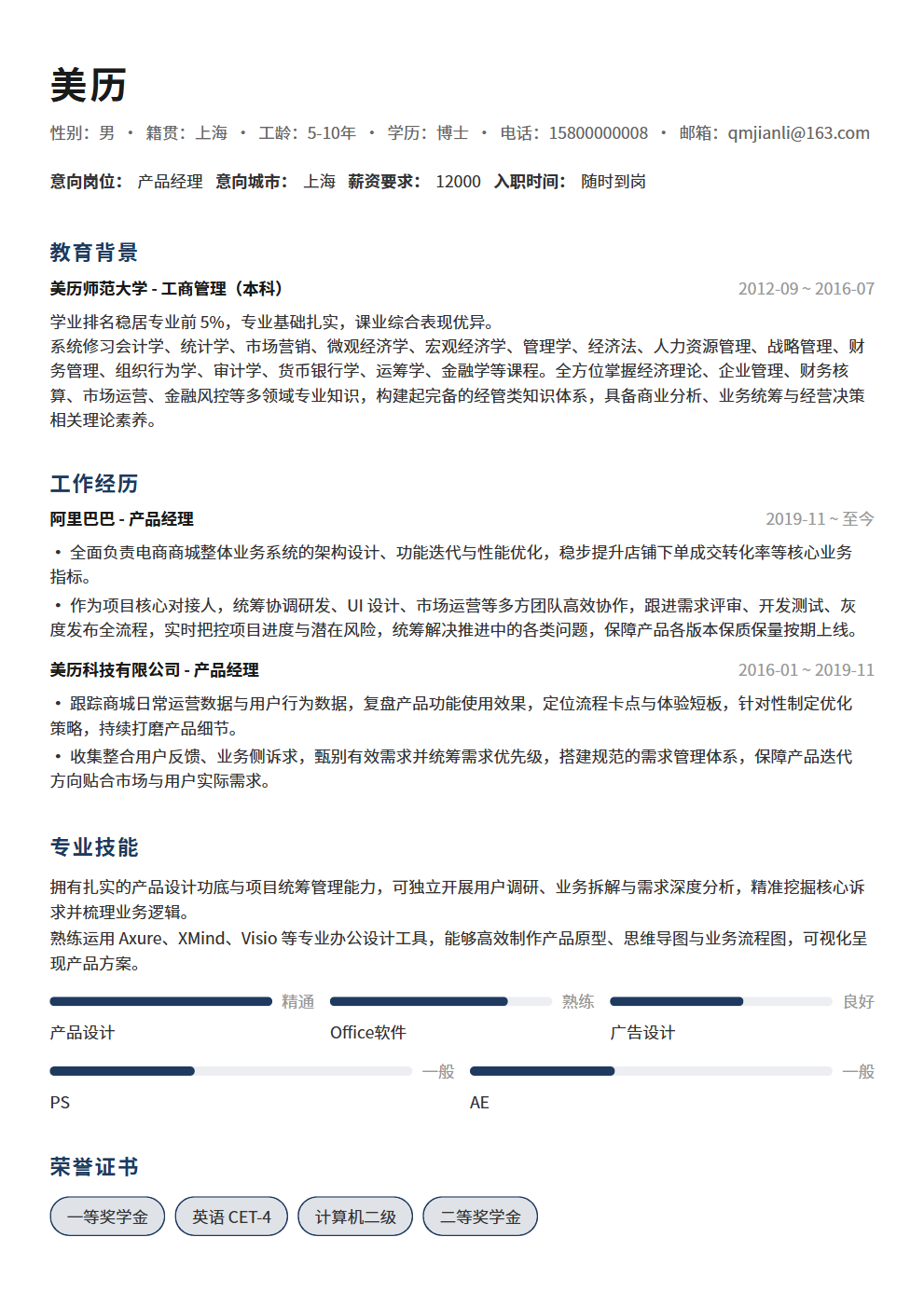
The difference between tripartite agreements and labor contracts, the risks of penalty fees, the determination of fresh graduate status — these legal basics aren't just for law students. Every fresh graduate should understand them before signing anything. Signing isn't the finish line; it's the starting point of your career. Take each step carefully so you can run faster down the road. If you're preparing for the signing season, don't forget to get your job search materials in order first. Use BeautyResume's resume editor to generate a professional resume with one click, giving you more confidence at every step of your job search.