Pre-Resignation Checklist When Changing Jobs: Benefits, Non-Compete, Bonus, Equity, and Background Check
Thinking about changing jobs but haven't figured it all out? 5 things you must confirm before leaving: social insurance and housing fund transfer, non-compete clauses, year-end bonus entitlement, stock option handling, and background check preparation. Missing even one could cost you thousands.
Changing Jobs Isn't Just About Resigning — Skip These Checks and You Could Lose Big
Many people follow a simple process when changing jobs: get an offer → resign → leave. But failing to clarify certain things before you leave could cost you tens of thousands. Social insurance gaps can affect your ability to buy a home or get residency, non-compete clauses can block you from joining competitors for months, year-end bonuses may vanish entirely, unvested options could be forfeited, and a failed background check can get your offer revoked. Each of these pitfalls is worth understanding before you make your move.
Check #1: Social Insurance and Housing Fund — Gaps Can Affect Home Purchases and Residency
Interruptions in social insurance and housing fund contributions are the most easily overlooked issue when changing jobs. Many cities require continuous contributions for home purchases, residency registration, and license plate lotteries — missing even one month can reset the clock. You need to confirm three things:
- New company's contribution schedule: Will they contribute in your first month? Some companies don't contribute for employees who join after the 15th, leaving a gap you'll need to fill yourself.
- Transfer process: Intra-city moves usually transfer automatically, but cross-city moves require you to handle the transfer yourself. Research the receiving city's requirements in advance.
- Housing fund withdrawal: If you plan to withdraw from your housing fund, you may not be able to do so while your account is frozen after resignation. Confirm the timing.
It's best to confirm the new company's contribution rules with HR before you resign, and leave a buffer of one to two months to avoid any gaps.
Check #2: Non-Compete Clauses — Does Your Employment Contract Include One?
Non-compete agreements are a major trap when changing jobs. You might not even realize you signed one, or assume it doesn't matter — until you receive a legal letter after leaving. Here's what you need to know:
- Scope of restriction: Non-competes typically prevent you from joining competitors for up to 2 years after leaving, including direct competitors and companies in the same industry.
- Compensation: The company must pay you non-compete compensation monthly after you leave (usually 30% of your average salary over the previous 12 months). If they fail to pay for 3 months, you can request to be released from the restriction.
- Penalties: Violating a non-compete typically carries a penalty of 2 to 3 times your annual salary — a staggering amount.
Before leaving, review your employment contract and confidentiality agreement carefully for non-compete clauses. If one exists, negotiate the scope and compensation with your company, and consult an employment lawyer if necessary.
Check #3: Year-End Bonus Entitlement — Can You Still Get It After Leaving?
The year-end bonus is one of the biggest financial losses when changing jobs. Many people assume that since it's paid "at year-end," resigning means forfeiting it. But the law has clear provisions:
- If the company's policies or your employment contract clearly define the conditions and standards for year-end bonuses, and you worked the full assessment year, the company cannot refuse to pay simply because you've left.
- If the year-end bonus is essentially a "13th month salary" (fixed amount, no performance conditions), it should be prorated based on your time employed when you leave.
- If the bonus is tied to performance and company policy states "departing employees are not eligible," courts may or may not uphold this depending on the reasonableness of the specific terms.
Before resigning, carefully review your company's compensation policies and year-end bonus rules. Keep relevant evidence (screenshots of policies, email notifications) if needed.
Check #4: Stock Options and Equity — What Happens to Unvested Options?
If you hold company stock options or equity, you must understand the vesting situation before leaving:
- Vested options: You typically have a 90 to 180-day exercise window after leaving. After that, they expire. You need to decide quickly whether to exercise, which requires having cash ready.
- Unvested options: These usually forfeit entirely upon departure. Accelerated vesting clauses (such as full vesting upon company acquisition) generally don't apply to voluntary resignations.
- Restricted stock: Vested shares belong to you; unvested shares are typically repurchased by the company upon departure.
Handling options and equity involves complex legal and tax issues. Consult a professional lawyer or tax advisor before leaving to calculate exercise costs and tax obligations before making decisions.
Check #5: Background Check Preparation — How Will Your Former Company Describe You?
Many companies' offers state they're "contingent on passing a background check." If you fail, the offer is revoked. Background checks typically contact your former company's HR and direct manager, so prepare in advance:
- Coordinate with former HR: Confirm the contents of your employment certificate, that social insurance records are complete, and that there are no labor dispute records.
- Give your direct manager a heads-up: Their evaluation during the background check is critical. Maintain a good relationship when leaving and let them know they might receive a call.
- Keep your resume truthful: Background checks verify your job title, dates of employment, and salary level. Resume fabrication is the most common reason background checks fail.
The Right Way to Handle Your Exit — Don't Let How You Leave Affect Your Professional Reputation
Exit handovers may seem like a formality, but they directly affect your reputation in the industry. A proper exit includes: meeting with your manager in advance rather than suddenly sending a resignation email; organizing documentation and progress on your current work so your successor can get up to speed quickly; staying professional until the end rather than slacking off because you're leaving; and avoiding badmouthing your former company on social media after you leave. The professional world is smaller than you think — today's colleague could be tomorrow's interviewer.
Changing Jobs Should Be a Career Upgrade, Not an Impulse Purchase
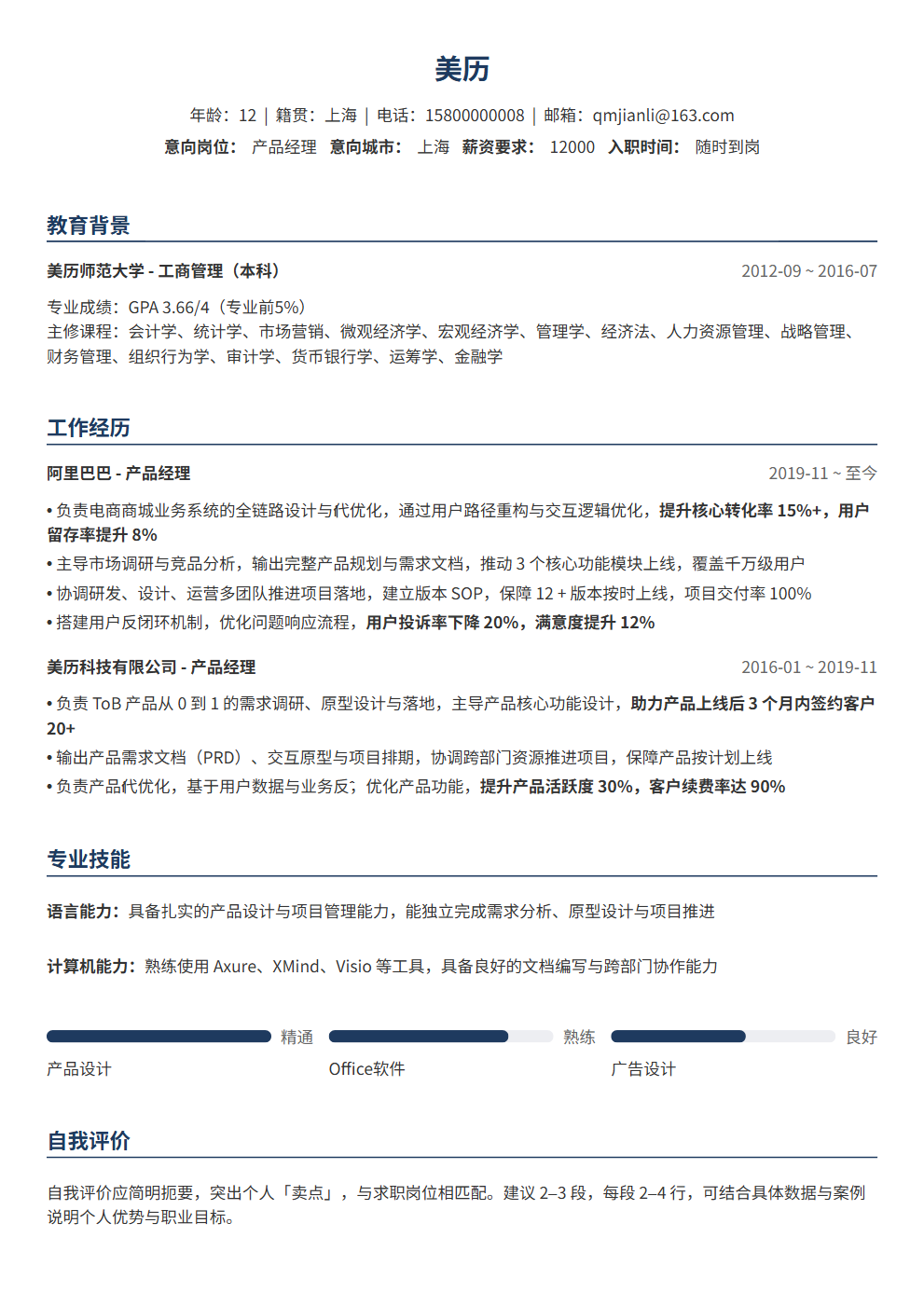
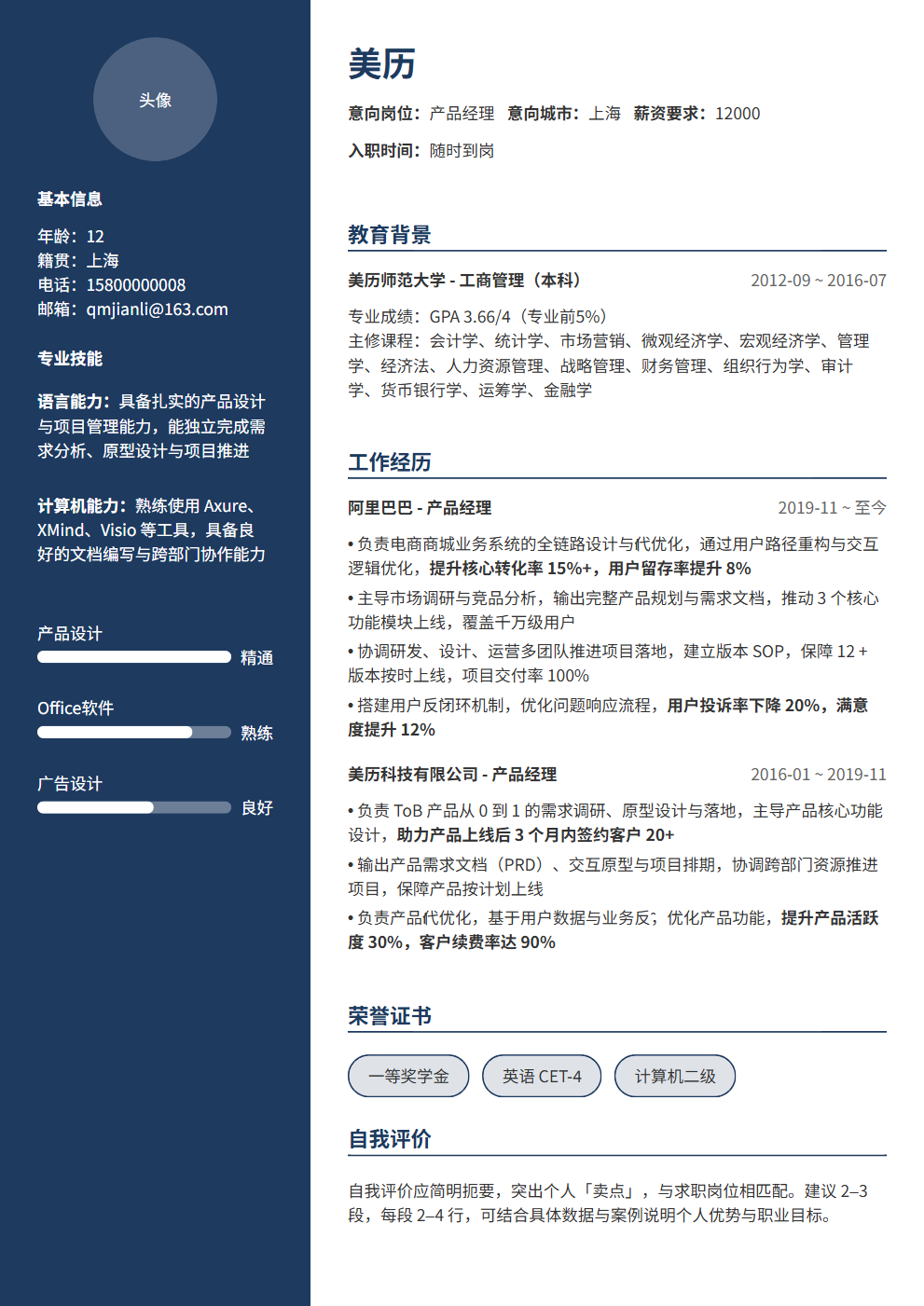
Clarifying these five things — social insurance and housing fund, non-compete clauses, year-end bonus, stock options and equity, and background check preparation — before changing jobs isn't overthinking. It's being responsible for yourself. Every job change should be a calculated career upgrade, not an impulsive decision. If you're preparing to change jobs and need a resume that clearly presents your career growth trajectory, try BeautyResume's resume editor — professional templates and smart word suggestions help you write every experience with solid reasoning, showing new employers the growth logic behind your career moves rather than a scattered list of jobs.