Side Hustle Guide for Employees: 4 Safe Directions and Pitfall Tips
Want a side hustle but worried about crossing the line? 4 suitable side hustle directions (knowledge monetization, content creation, digital products, skill monetization), with startup methods, expected returns, and pitfall tips for each, plus 3 principles to stay safe.
Employees Want Side Hustles — The Real Fear Isn't Failing to Earn, It's Crossing the Line
That moment when your salary hits your account feels great — until you finish paying the mortgage and car loans and feel anxious again. This is the reality for most employees. So many people start wondering: can I start a side hustle for extra income? But searching for "side hustle disasters" scares them off — someone got fired for having a side business, someone paid hundreds of thousands for violating a non-compete agreement, someone lost money instead of earning it. The side hustle itself isn't the problem — it's choosing the wrong direction and crossing red lines. This article gives you 4 safe side hustle directions, with startup methods, expected returns, and pitfall tips for each, helping you safely start your second income stream.
Direction 1: Knowledge Monetization — Turn Your Professional Skills into Replicable Products
The skills and experience you accumulate at work every day are the raw materials for knowledge monetization. You don't need to be a top industry expert — you just need to be one step ahead of your target audience. The core advantage of knowledge monetization is: create once, sell repeatedly, with marginal costs approaching zero. And it naturally complements your main job — the more professional your work, the more valuable your knowledge products.
- Startup method: Start from the questions you're most frequently asked at work. If you're a data analyst, create an "Excel Pivot Tables from Beginner to Master" course; if you're a product manager, write a "PRD Writing Practical Guide" ebook. Use OBS for screen recording courses, Markdown for ebooks exported to PDF, Knowledge Planet for paid communities — the tools are all free
- Expected returns: Initially a few hundred to a few thousand yuan per month. As content accumulates and word-of-mouth spreads, earning over 10,000 per month isn't rare. A more realistic goal for ordinary people is 3,000-10,000 yuan in extra monthly income. The benefit is the cumulative effect — even while you're at work, people are buying your courses
- Pitfall tips: Don't start with a comprehensive course — begin with a focused topic to test market demand. Don't wait for perfection before publishing — ship first, iterate later. Don't neglect after-sales and community management — positive reviews and word-of-mouth are the lifeblood of knowledge monetization
- Red line reminder: Don't use company internal data and cases as course materials — this constitutes trade secret infringement. Don't create course content during work hours — this is using company resources for personal gain. Use your own experience and methodology, not company assets
Knowledge monetization is one of the most suitable side hustle directions for employees — it doesn't conflict with your main job, and they actually reinforce each other. The more experience you accumulate at work, the deeper your knowledge products become; the logic you organize while creating knowledge products can improve your work capabilities in return.
Direction 2: Content Creation — Attract Traffic with Content, Monetize Traffic into Income
Content creation has the lowest startup barrier — you can start with just a phone. But "low barrier" means fierce competition, and you need to find your differentiated positioning to stand out. The core logic is: content → traffic → monetization, and you need all three. The first 6 months might be a "dark period" with no attention, but if you persist, the returns are sustainable.
- Startup method: Choose a vertical niche and go deep — don't try to do everything. Career tips, financial knowledge, skill tutorials, lifestyle — pick the direction you're best at and most passionate about. Then determine your content format: text for WeChat Official Accounts/Zhihu, images and text for Xiaohongshu, short videos for Douyin/Kuaishou, medium-long videos for Bilibili. Start with one platform, reach 10,000 followers, then expand
- Expected returns: Basically no income for 0-6 months, sporadic ad income from 6-12 months, and if you reach 10,000+ followers after 1 year, 3,000-20,000 yuan per month is common. Top creators earn millions monthly, but a more realistic goal for ordinary people is 2,000-8,000 yuan per month
- Pitfall tips: Don't buy followers or likes — fake data only makes monetization harder. Don't use clickbait for traffic — it damages your account's authority long-term. Don't operate too many platforms simultaneously — master one first before expanding. Don't complain about your company or colleagues on your content — that's planting a landmine for yourself
- Red line reminder: Don't create and publish content during work hours — this is using company time for personal gain. Don't leak company internal information as content material. Don't use the company's brand, logo, or anything that might make people think you represent the company's position
The side hustle value of content creation lies in: the content you publish continues to generate traffic. A viral article might still be searched and read months or even years after publication. But content creation requires patience and persistence — it's not a "get rich quick" method, but a "planting trees" approach. It takes time to grow, but once mature, you can harvest continuously.
Direction 3: Digital Products — Create Once, Sell Infinitely
Digital products are truly "create once, sell infinitely" — you make it once, sell it countless times, with no inventory, no logistics, no after-sales (in most cases), and marginal costs approaching zero. Digital products include templates, tools, design assets, software plugins, etc., suitable for employees with design, programming, or writing skills.
- Startup method: Find the intersection of what you're good at and what the market needs. If you're a designer, create resume templates, PPT templates, Notion templates; if you're a programmer, build VS Code plugins, Chrome extensions, small tools; if you're a data analyst, create Excel financial models, dashboard templates. Start with an MVP (minimum viable product) to validate market demand before investing more time
- Expected returns: Single product pricing typically ranges from 9.9 to 199 yuan. Selling 100 copies of a 99-yuan template per month means nearly 10,000 yuan in extra income. Successful digital product creators earning 30,000-50,000 per month isn't rare, but a more realistic goal for ordinary people is 1,000-5,000 yuan per month
- Pitfall tips: Don't make overly generic products — "universal PPT templates" have too much competition. Go for vertical niches — "product manager review PPT templates for tech companies" is more targeted. Don't ignore copyright issues — ensure all fonts, images, and assets have commercial licenses. Don't invest too much time in one product upfront — validate market demand with an MVP first
- Red line reminder: Don't use company computers and software to create digital products — this is using company resources for personal gain. Don't repurpose design drafts, code, or documents from company projects into digital products — this infringes on company intellectual property. Use your own equipment, your own time, your own creativity
Digital products are the closest thing to "pure passive income" — after the product goes live, you don't need to continuously invest time to generate sales. Of course, you need to invest time upfront to create the product and build sales channels, but once it's running, the marginal cost is nearly zero. Every additional sale is pure profit.
Direction 4: Skill Monetization — Earn Money by Taking Orders with Your Professional Abilities
Skill monetization is the most direct side hustle method — you have a skill, someone needs it, you help them, they pay you. Translation, design, programming, writing, consulting, training... any professionally deliverable skill can be monetized. The advantage is quick results; the disadvantage is it's tightly bound to time — no work means no income.
- Startup method: Post your services on platforms like Zhubajie, Xianyu, Xiaohongshu, or take orders through your social circle and industry groups. Start with low-priced orders to accumulate reviews and reputation, then gradually raise prices. For example, as a UI designer, start with 500-yuan banner designs, build good reviews, then take on 2,000-yuan page designs
- Expected returns: Depends on your skill level and order frequency. Part-time translators earn 2,000-8,000 yuan monthly, part-time designers 3,000-15,000 yuan, part-time programmers 5,000-20,000 yuan. The income ceiling depends on your professional ability and time investment
- Pitfall tips: Don't engage in price wars — it hurts the industry and yourself. Don't take orders beyond your capability — failing to deliver is worse than not taking the order. Don't ignore contracts and deposits — verbal agreements are the most prone to disputes. Don't let rush orders affect your main job
- Red line reminder: Don't take orders that directly compete with your company's business — this violates non-compete agreements. Don't use your company's client resources for private orders — this is a conflict of interest. Don't do private orders during work hours — this is using company time for personal gain
Although skill monetization isn't "passive income," it's the fastest-starting, fastest-returning side hustle method. For employees who urgently need to increase their income, skill monetization is the first choice — solve the immediate income problem first, then gradually transition to passive income methods like knowledge monetization and digital products.
3 Principles to Stay Safe: Side Hustle Safety First
No matter which direction you choose, you must remember these 3 principles. Violating any one of them could result in a company warning at best, or losing your job or facing legal risks at worst. A side hustle is supposed to make your life better, not dig a hole for yourself.
- Principle 1: Don't affect your main job. Side hustles can only be done in your spare time — never during work hours. If your side hustle causes your main job performance to decline, makes you frequently late or leave early, or leaves you mentally exhausted, the side hustle has become counterproductive. Remember: your main job is your foundation; the side hustle is icing on the cake
- Principle 2: Don't use company resources. The company's computers, software, network, printers, client resources, internal data — these are all company assets and cannot be used for your side hustle. Even if you "just used it briefly," once discovered, the nature changes. Use your own equipment, your own time, your own resources for your side hustle
- Principle 3: Don't violate non-compete agreements. If your employment contract contains non-compete clauses, you need to read them carefully and comply. Non-compete agreements typically restrict: working for competitor companies within a certain period after leaving, and engaging in activities that directly compete with the company's business. While employed, you absolutely cannot take orders or projects that directly compete with your company's business
These 3 principles aren't meant to scare you — they're meant to protect you. Many people's side hustle failures aren't because the side hustle itself was problematic, but because they crossed these red lines. Follow these 3 principles, and your side hustle will be safe and sustainable.
Balancing Side Hustle and Main Job: How to Do Both Well
The biggest challenge of having a side hustle isn't making money — it's balance. Your main job demands your energy, and your side hustle demands your energy too, but your time and energy are limited. How to do both well? Here are some practical suggestions.
- Time management: Fix your side hustle time, such as every evening from 8 to 10, or weekends from 9 to 12. The benefit of fixed time is forming a habit that's less likely to be crowded out by other things. Don't just "do it when you have time" — "having time" usually means "not having time"
- Energy management: Do your most important side hustle work during your most energetic periods. If you're an early riser, do your side hustle from 6 to 7 AM; if you're a night owl, from 9 to 11 PM. Don't do your most mentally demanding side hustle work when you're most tired
- Priority management: Your main job always comes first. If there's an urgent task at your main job, the side hustle must yield. If there's a time conflict, always choose the main job. A side hustle is a long-term endeavor — one or two days won't make a difference
- Mindset management: Don't have overly high expectations for side hustle income. The first 3 months might only bring in a few hundred yuan — that's normal. A side hustle is "planting trees" not "picking fruit" — you need to plant first, patiently wait for it to grow, then you can harvest continuously
A side hustle and a main job aren't opposed to each other — a good side hustle can feed back into your main job. The skills, experience, and connections you accumulate in your side hustle can all be applied to your main job. For example, writing skills developed through content creation make you better at writing proposals at work; the professional framework you organize through knowledge monetization makes your presentations more structured. Side hustle and main job can be mutually reinforcing.
Conclusion: Choose the Right Direction, Hold the Line, and Your Side Hustle Becomes Your Second Growth Curve
Starting a side hustle as an employee doesn't require quitting your job, large capital, or exceptional talent — it requires choosing the right direction, holding the line, and consistently investing effort. Knowledge monetization turns your professional skills into replicable products, content creation monetizes traffic through content, digital products sell infinitely after one creation, and skill monetization directly earns money through professional abilities. Among 4 directions, there's always one that suits you. But no matter which direction you choose, you must hold 3 red lines: don't affect your main job, don't use company resources, and don't violate non-compete agreements. A side hustle is to make your life better, not to dig a hole for yourself. Choose the right direction, hold the line, and your side hustle becomes your second growth curve.
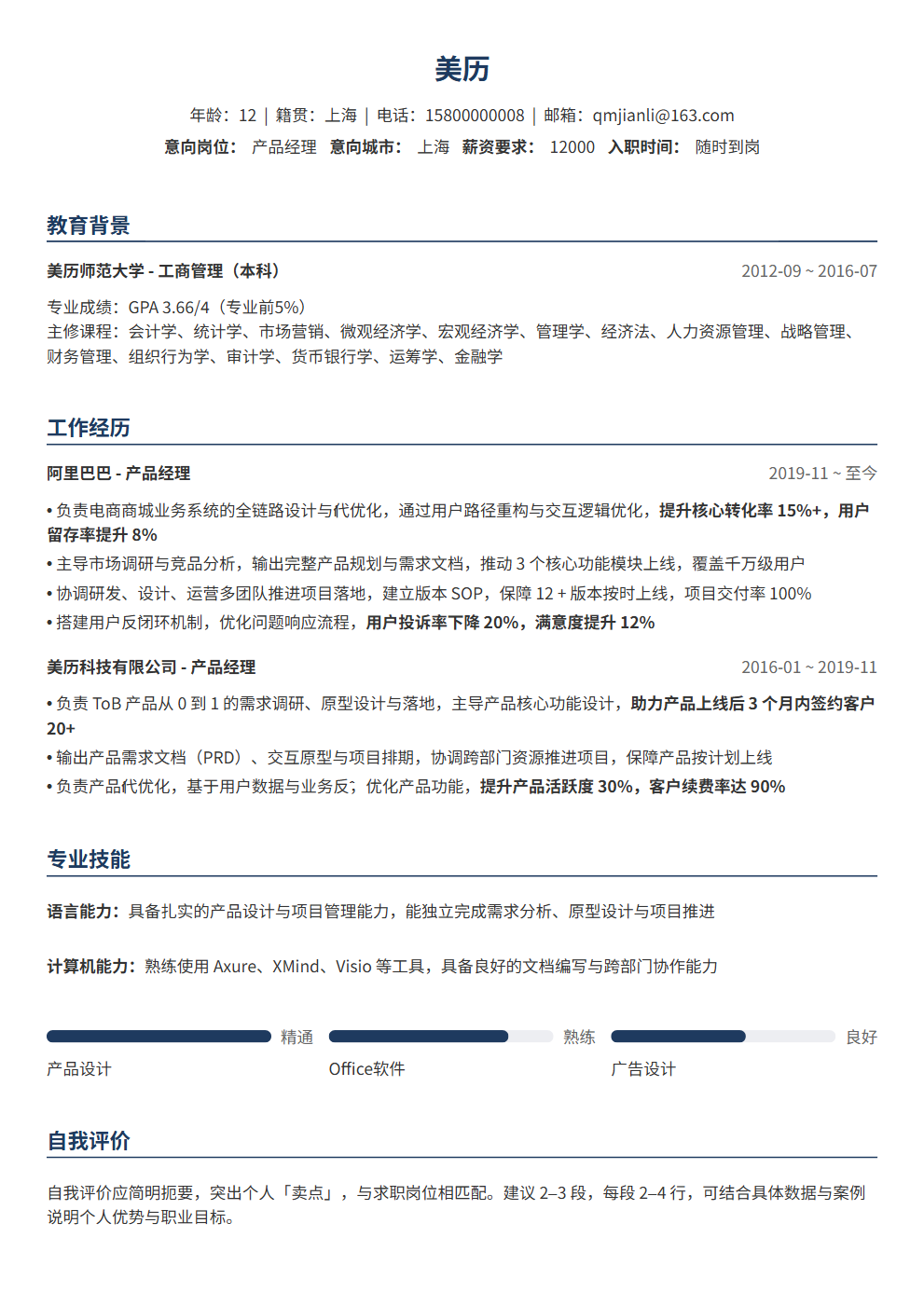
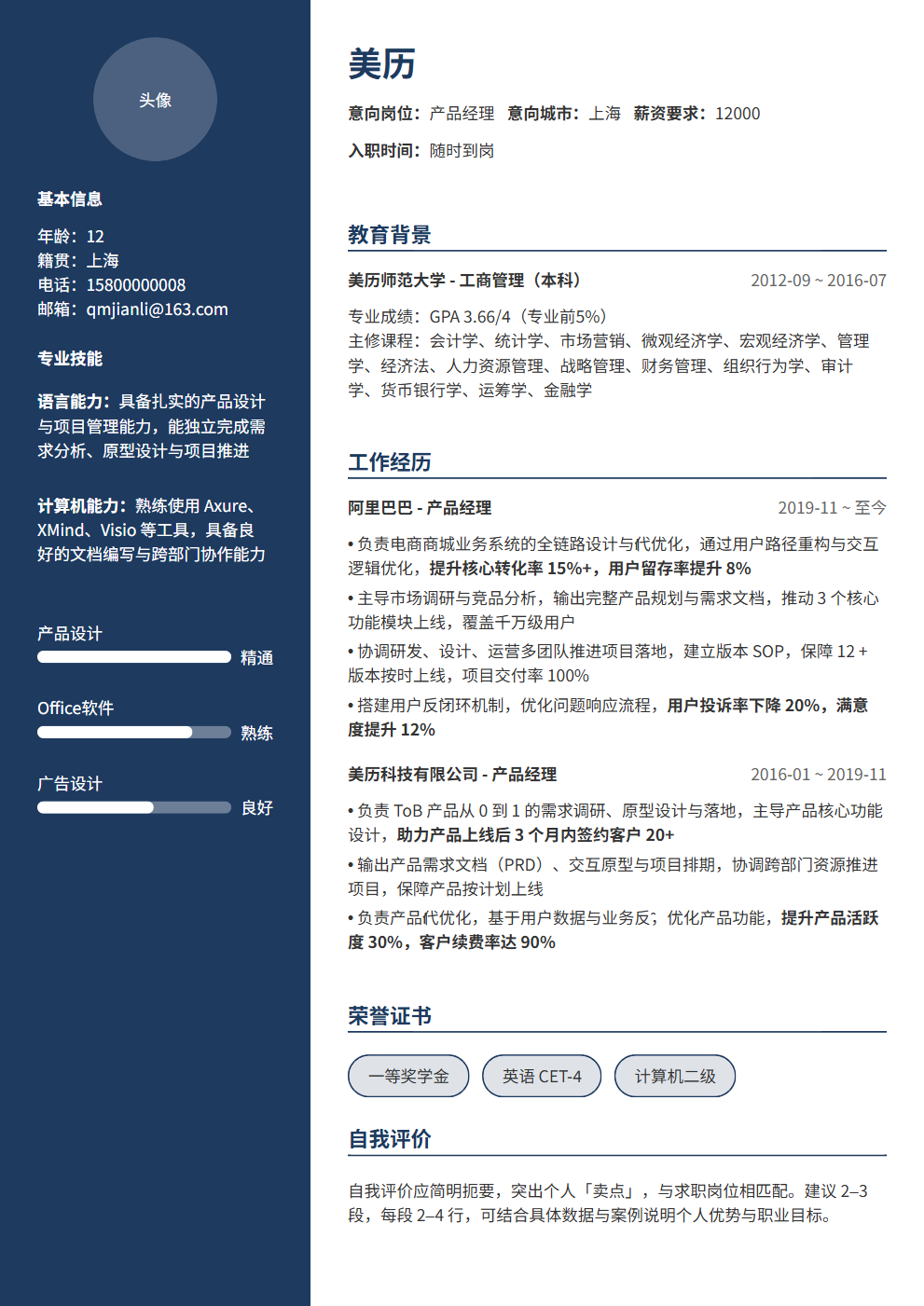
Want to take the first step in your side hustle? Let others see your professional value first. Use BeautyResume to create a professional resume that makes your skills and achievements clear at a glance — whether taking orders or showcasing your professional abilities, it's your first step in starting a side hustle.