Should Your Resume Mention Current Employment? 4 Scenarios, 4 Approaches — Avoid Getting Caught by Your Employer
The biggest fear of job hunting while employed is getting caught by your current company. 4 scenarios, 4 approaches: how to handle your current employer's name on your resume, how to set recruitment platform privacy, how to answer HR's "Are you currently employed?", and how to schedule interviews without raising suspicion. Stay under the radar while job hunting.
The Biggest Fear of Job Hunting While Employed Isn't Finding a Job — It's Getting Caught
When you're job hunting while employed, the biggest anxiety isn't how to write your resume or answer interview questions — it's: what if my current company finds out? Your boss starts marginalizing you, colleagues give you weird looks, and before you've even landed a new offer, you've been "optimized" out. These aren't paranoid fantasies — they happen to real people every day.
The core principle of job hunting while employed comes down to one thing: keep a low profile. Today I'll cover 4 dimensions — resume writing, platform privacy, HR communication, and interview scheduling — to help you job hunt without leaving a trace.
Scenario 1: How to Handle Your Current Company Name on Your Resume
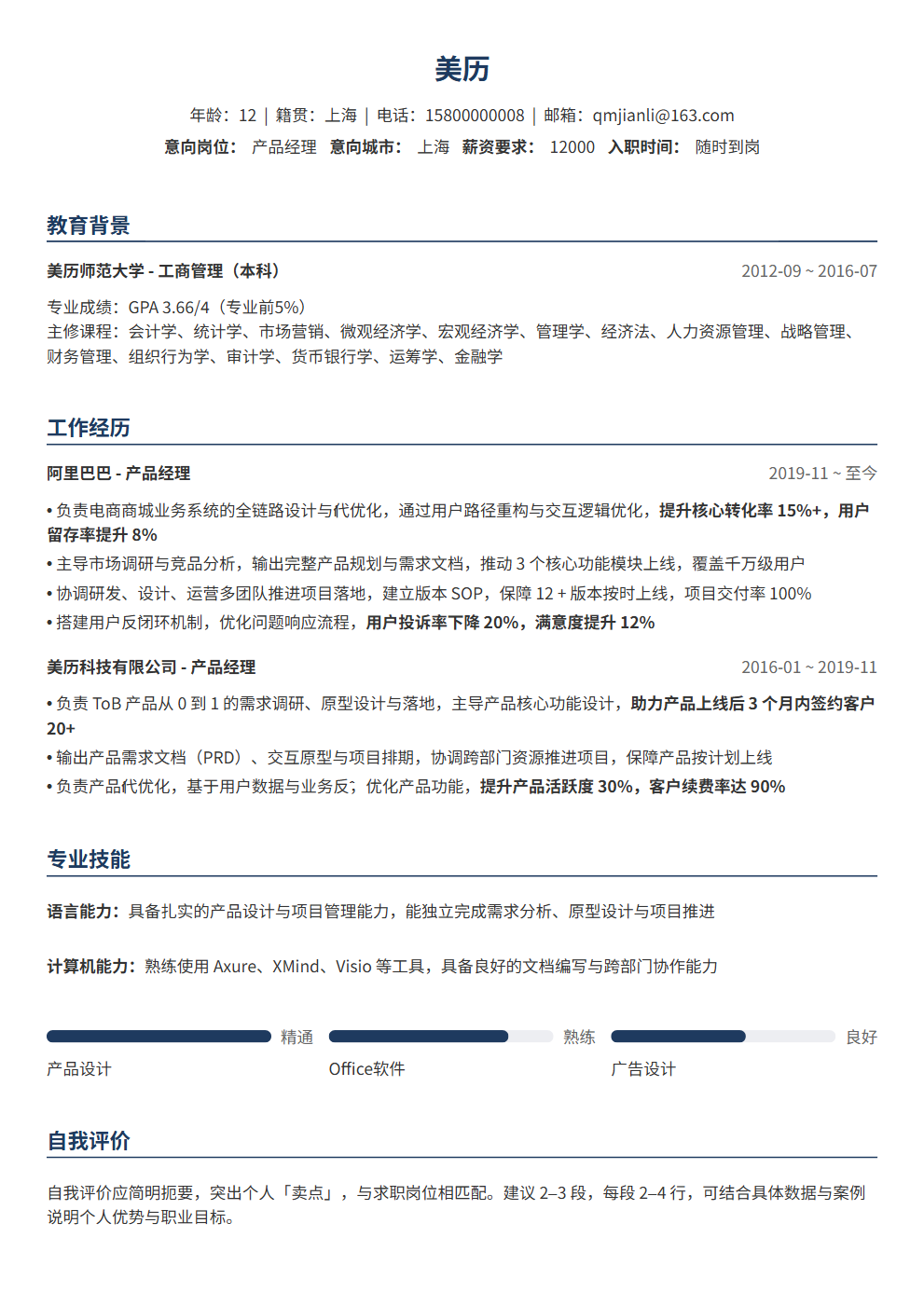
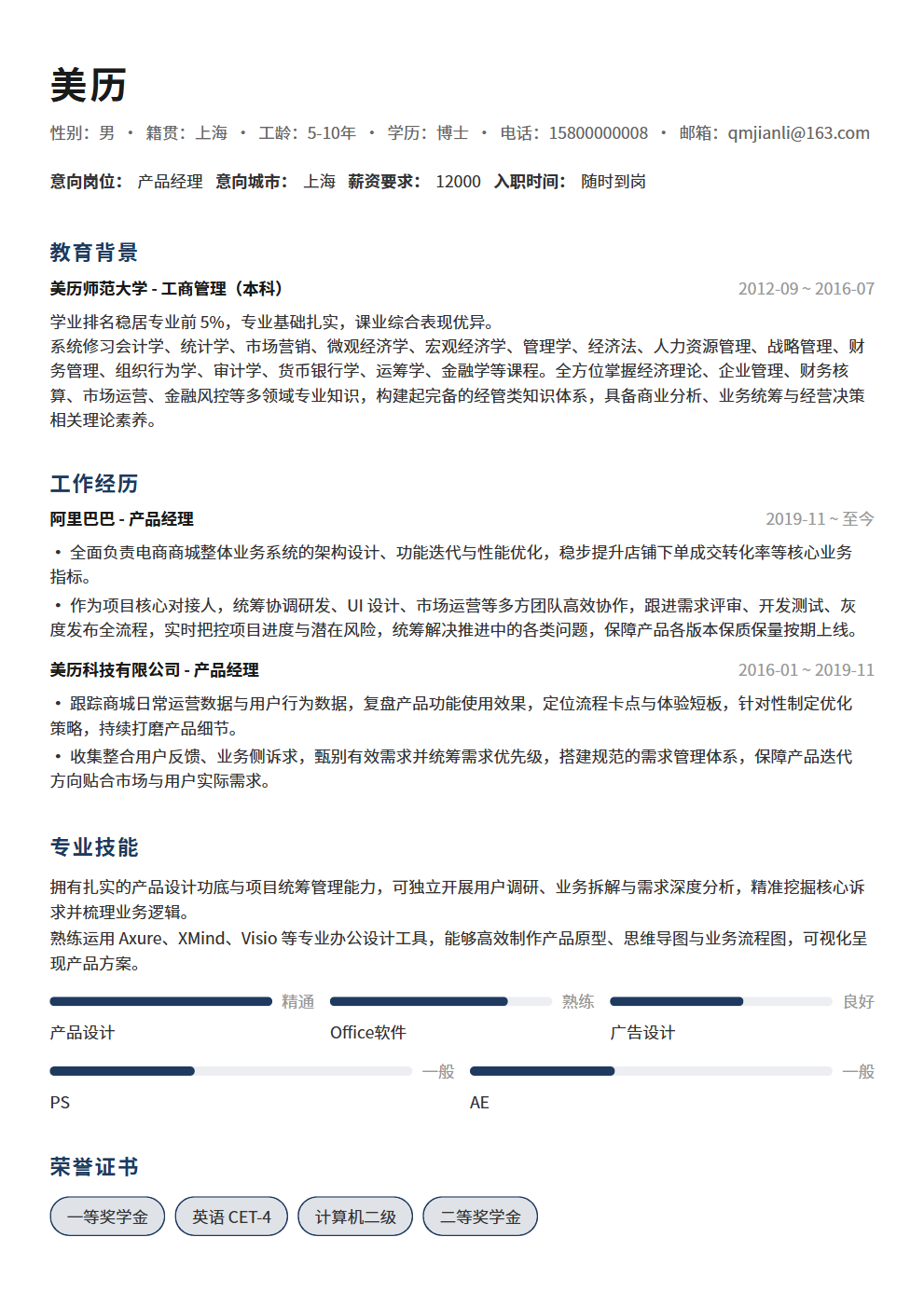
This is the most agonizing question for employed job seekers: should you name your current employer? Name it and risk being found; omit it and risk looking like you're hiding something.
4 scenarios, 4 approaches:
Scenario 1: Large/well-known company — Include it
- A big-company background is a selling point — omitting it wastes an advantage
- High employee turnover at large companies means HR won't view your departure as disloyalty
- Caveat: Don't include specific departments or project details on public resumes — this reduces the risk of being identified by insiders
Scenario 2: Small company / Tight industry circle — Be vague
- Don't use the full company name. Replace it with an industry description, like "an ed-tech company" or "a regional financial institution"
- Or use an abbreviation/nickname that won't be instantly recognizable to industry insiders
- Provide full details during the interview — this is a reasonable privacy measure
Scenario 3: Current employer is a competitor — Must be vague
- If you're applying to a competitor, naming your current company is basically telling them "I worked for your rival"
- Use descriptions like "a leading e-commerce platform" or "a well-known SaaS company" instead
- Reveal the specific company during the interview, but emphasize your desire for confidentiality
Scenario 4: Strict non-compete agreement — Proceed with extreme caution
- First, confirm the scope and enforceability of your non-compete — don't turn a job change into a legal battle
- Don't name your current company on your resume — only list the industry and role
- Consult legal counsel before joining the new company
Scenario 2: How to Set Recruitment Platform Privacy
Most people rely on recruitment platforms (Boss Zhipin, Liepin, Lagou, etc.) for job hunting, but default settings might leave you completely exposed.
Must-do privacy settings:
- Disable public resume browsing: Most platforms default to showing your resume to everyone. Change it to "visible only to companies I apply to" or "visible only to headhunters"
- Block your current company and affiliates: Boss Zhipin and Liepin have "block company" features. Add your current company, parent company, and subsidiaries to the block list
- Turn off "recently active" status: Some platforms show when you last updated your resume — this indirectly tells your current company you're job hunting
- Don't register with your work email: Use a personal email and personal phone number to avoid IT monitoring of your job search activity
- Don't apply from work computers: Company computers may have monitoring software. Use your personal phone or home computer
An easily overlooked detail: LinkedIn's "job seeking status" is visible to connections by default. If you've added current colleagues as connections, they might see your job search activity. Make sure to turn off "notify connections of profile changes" in privacy settings.
Scenario 3: How to Answer HR's "Are You Currently Employed?"
This question comes up in almost every interview, and many employed job seekers struggle with whether to be honest. The answer: tell the truth, but do it strategically.
Why you should be honest:
- The risk of lying far exceeds the risk of telling the truth — background checks will reveal the truth, and getting caught in a lie means instant disqualification
- Being employed is actually a plus — it shows you have market value and aren't a passive departure
- HR asks this mainly to confirm your availability, not to sabotage you
Smart response templates:
- "Yes, I'm currently working in the XX industry. I'm exploring new opportunities because the XX direction aligns better with my career goals. If we move forward, I can onboard within a month."
- "I'm currently employed but fully prepared to transition. I'm very interested in your company's XX direction, and my start date is negotiable."
Never say:
- "I don't want my current company to know I'm looking" — this makes HR question your candor
- "I can start immediately" — if you're employed but claim immediate availability, either you're lying or you're irresponsible toward your current employer. Neither is a plus
Scenario 4: How to Schedule Interviews Without Raising Suspicion
The biggest headache of job hunting while employed is scheduling interviews — you can't keep taking days off. Too many absences and anyone can tell you're interviewing.
Interview scheduling strategies:
- Prioritize virtual interviews: Post-pandemic, many companies accept virtual first rounds. This saves commute time and can be done during lunch breaks or after work
- Cluster your interviews: Don't spread them out. Try to schedule multiple company interviews on the same day or same week — fewer absences mean less attention
- Use lunch breaks and after-work hours: First-round interviews are typically 30–60 minutes, doable during lunch for virtual calls. Schedule final rounds on Friday afternoons — a half-day off feels more natural
- Use plausible leave reasons: "Family matter," "Not feeling well," "Personal errands" — avoid overly specific excuses; the more specific, the easier to debunk
- Stay low-key on interview day: Leave in casual clothes and change into interview attire when you arrive. Don't wear formal clothes in the office — it's too obvious
Practical tip: If an interview falls on a workday, try to schedule it in the morning. After the morning interview, you can still return to the office for the afternoon — a half-day absence is less noticeable than a full day off.
3 Iron Rules for Job Hunting While Employed
To wrap up, here are 3 iron rules. Follow these and you'll basically be safe:
- Never use company resources for job hunting: Company computers, work email, office network, office printer — don't use any of these for your job search. Use personal devices, personal network, personal time
- Never let your current work performance slip: The biggest mistake is putting the cart before the horse — your job search causes your current work to suffer, and you get laid off before you've even jumped ship. Keep doing your current job well; job hunting is a side project, not the main event
- Never disclose your departure plans early: Until you have a formal offer in hand, don't tell any colleagues you're job hunting. Even your closest work friend. News spreads faster than you think
Your Resume Is Your First Line of Defense When Job Hunting While Employed
Job hunting while employed is a "covert operation," and your resume is your most critical weapon. A strong job-hopping resume needs to showcase your skills and value while protecting your privacy and security — finding the balance between the two tests your strategy and technique.
BeautyResume offers professional resume templates and privacy protection advice, helping you showcase your strengths precisely while effectively mitigating risks during your employed job search. From resume optimization to interview guidance, every step helps you advance steadily — leaving no traces and no regrets on your career transition journey.