Should You Put Salary Expectations on Your Resume — 3 Situations, 3 Approaches, Get It Wrong and HR Filters You Out
Should you include salary expectations on your resume? Write it and risk being lowballed; don't write it and risk being filtered out. 3 situations, 3 approaches — when to include it, when not to, and how to write it without getting eliminated by HR.
Should You Put Salary Expectations on Your Resume — Get It Wrong and HR Filters You Out
Should you include salary expectations on your resume? Write it and risk being lowballed; don't write it and risk being filtered out. Many job seekers agonize over this question, then write something random — and either get eliminated by HR or get pushed to the bottom of the pay range during interviews. 3 situations, 3 approaches to help you make the choice that works best for you.
Situation 1: The Job Posting Explicitly Asks for Salary Expectations — You Must Include It, But Write It Right
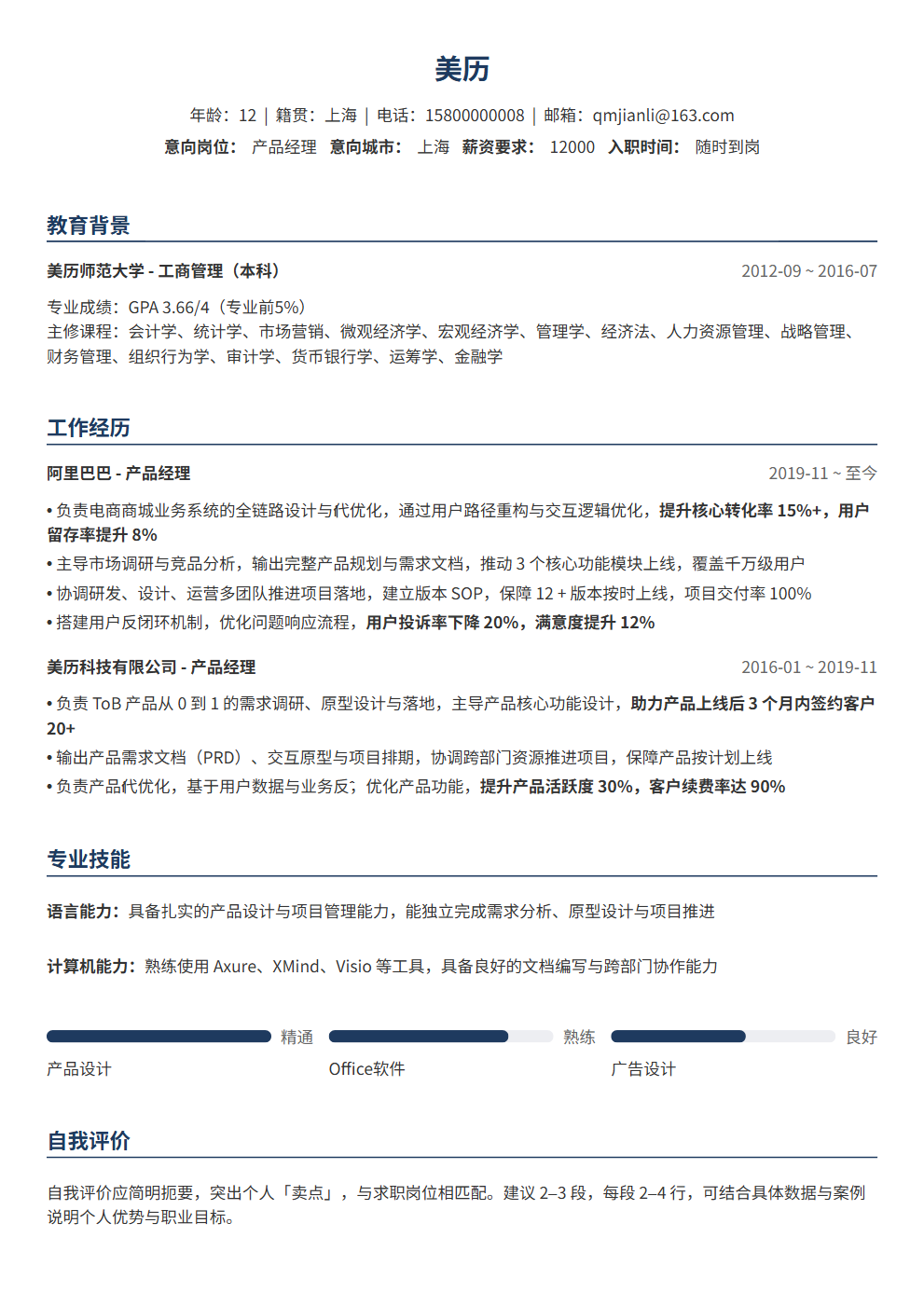
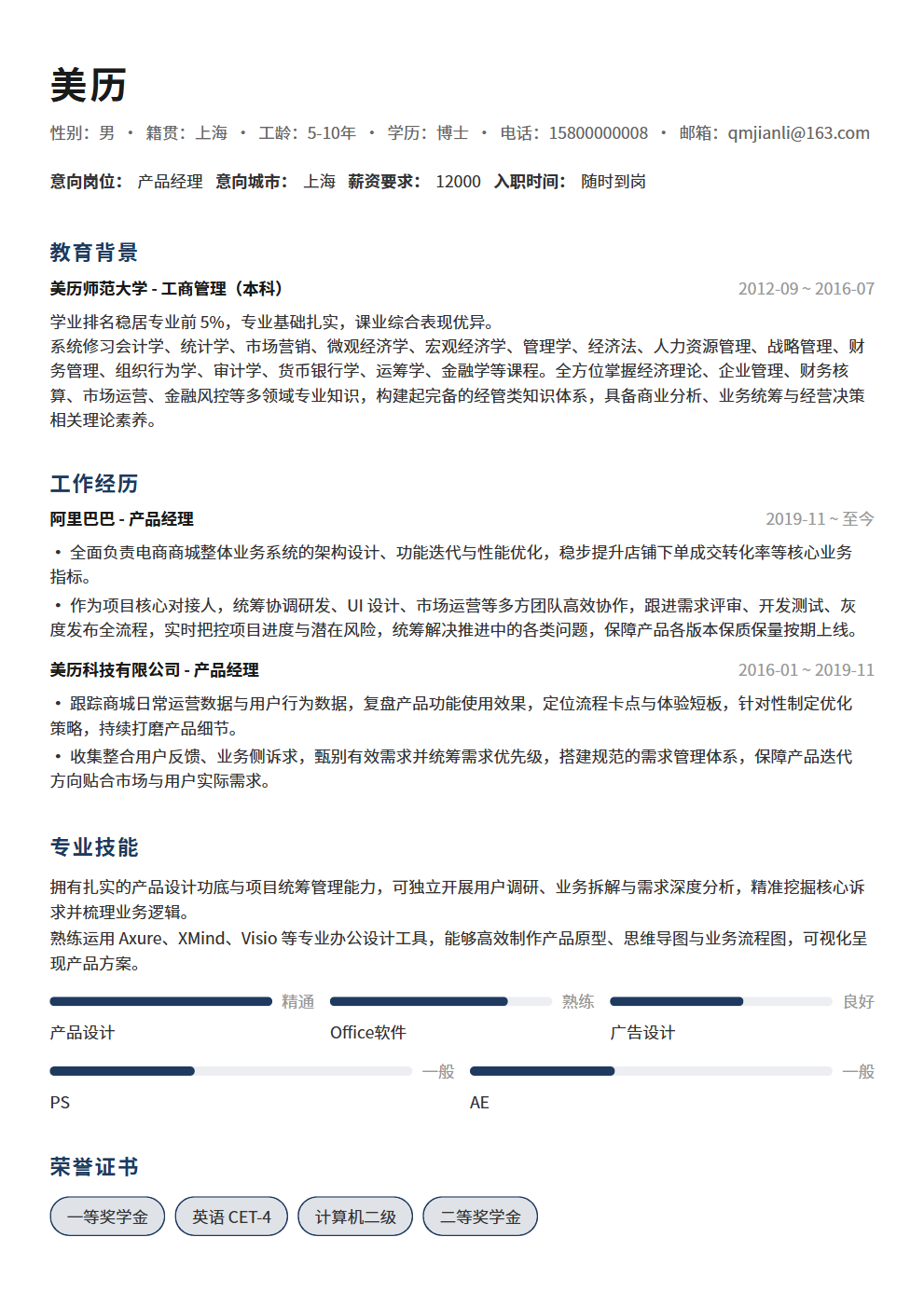
Some companies explicitly state "please include expected salary" in their job postings, or make it a required field in their online application system. If you don't fill it in, your resume won't even make it to the next round. But what you write and how you write it matters a lot.
- Write a range, not a fixed number: Never write "Expected salary: $8,000/month." That's showing your bottom line to the other side. Write a reasonable range, like "Expected salary: $8,000-$12,000/month." The lower end is the minimum you'd accept; the upper end is the top of market rate.
- Keep the range width between 30%-50%: A range that's too narrow leaves no room for negotiation; one that's too wide makes you look out of touch with the market. If your target is $10,000/month, writing "$8,000-$12,000" is more reasonable than "$5,000-$15,000."
- Add the word "negotiable": After your salary expectation, add "(negotiable)" or "(negotiable depending on role specifics)." These words serve a purpose: they give HR a reference point while preserving your negotiation room. Many HR professionals see "negotiable" as a sign of flexibility and won't filter you out just because the number doesn't match exactly.
- Research market rates beforehand: Before writing salary expectations, do your market research. Search salary ranges for similar roles in the same city on job boards, ask industry peers about their actual salaries, and reference industry salary reports. Writing salary expectations without understanding the market is like shooting blindfolded.
Situation 2: The Job Posting Doesn't Ask — Generally Don't Include It, With Exceptions
If the job posting doesn't explicitly ask for salary expectations, in most cases you shouldn't include them. The reason is simple: including them does you no good and only causes harm.
- If you write too high, you get filtered out: When HR screens resumes, if your salary expectation exceeds their budget, many will eliminate you outright — no interview, no chance to explain.
- If you write too low, you get lowballed: If your salary expectation is below what the company can actually offer, HR will negotiate based on your stated expectation. You've essentially undercut yourself. You could have gotten $12,000, but because you wrote $8,000, you end up with $8,000-$9,000.
- The benefit of not including it: Without salary expectations on your resume, you at least get an interview opportunity. During the interview, you can adjust your salary expectations based on your understanding of the role and your interview performance. You keep the initiative.
- Exception — your salary floor is high: If your salary floor is significantly above market average (e.g., you have scarce skills or deep industry experience), consider stating it directly. This helps filter out companies that can't afford you, saving everyone time. Write something like "Expected salary: $15,000+/month (negotiable)." The "+" matters.
Situation 3: Recruiter-Recommended Roles — Communicate Upfront, You Can Skip It on the Resume
When a recruiter recommends you for a role, the situation is different. Recruiters are intermediaries whose income is tied to your salary, so they'll advocate for a higher number. But the prerequisite is clear communication with your recruiter.
- Clarify your salary floor with the recruiter: Before giving your resume to a recruiter, clearly state your salary floor and expected range. The recruiter will filter suitable roles based on your requirements and won't push your resume to companies that can't afford you.
- Don't write specific numbers on your resume: For recruiter-submitted resumes, you can skip specific salary numbers or write "negotiable." Since the recruiter handles salary negotiations, you don't need to show your hand on the resume.
- Let the recruiter be your salary negotiation agent: Recruiters know market conditions and client budgets better than you do. Having a recruiter negotiate on your behalf usually results in a higher number than negotiating yourself. But make sure to communicate your floor clearly so the recruiter doesn't accept a low offer just to close the deal.
- Watch out for recruiter lowballing: A small number of recruiters may push you to lower your salary expectations for a quick placement. If a recruiter says "this role's budget is limited," you need to judge for yourself whether the budget is genuinely tight or the recruiter is lowballing you. The simplest approach: work with 2-3 recruiters simultaneously and compare the salary information they provide.
3 Common Salary Expectation Mistakes — Making Any One Costs You
Whether you ultimately decide to include salary expectations or not, don't make these 3 mistakes.
- Not specifying gross vs. net: When writing salary expectations, always indicate whether it's gross or net. "Expected salary: $10,000/month (gross)" is much clearer than "Expected salary: $10,000/month." Without specifying, HR assumes gross, but you might be thinking net — and the difference in take-home pay can be significant.
- Writing monthly salary instead of annual for annual-pay roles: For annual-salary positions (most mid-to-senior roles), writing annual salary is more professional. "Expected annual salary: $200K-$250K (gross, negotiable)" is more in line with industry norms than "Expected monthly salary: $16K-$20K."
- Salary expectations that don't match the role level: Applying for a junior role with a $300K annual salary expectation, or a senior role with an $80K expectation — the former makes you look unrealistic, the latter makes you seem underqualified. Salary expectations should match the role level, which is why researching market rates beforehand is so important.
Include or Not — the Core Is Keeping Control
3 situations, 3 approaches: Job posting asks for it (write a range not a fixed number, 30%-50% width, add "negotiable," research market rates), job posting doesn't ask (generally don't include it — too high gets filtered, too low gets lowballed — exception is when your floor is high), recruiter-recommended roles (communicate your floor with the recruiter upfront, don't write specific numbers on the resume, let the recruiter negotiate, watch for recruiter lowballing). 3 common mistakes: not specifying gross vs. net, writing monthly instead of annual for annual-pay roles, salary expectations not matching role level. The core question isn't "to write or not to write" — it's "how to write in a way that keeps you in control." If you're preparing your job search resume, try BeautyResume's resume editor — smart content suggestions help you optimize every resume detail, including advice on how to write salary expectations, so your resume neither gets filtered by HR nor lowballed.