10 Red Flags of Toxic Companies You Can Spot During the Interview
An interview isn't just the company choosing you — it's also you choosing the company. This article summarizes 10 typical red flags of toxic companies — from chaotic interview scheduling and arrogant interviewers to overtime culture brainwashing and vague salary information, helping you spot warning signs during the interview and avoid post-hire regrets.
Most people treat job interviews like a one-way interrogation—the interviewer asks, you answer, palms sweating, terrified of making a wrong move. But an interview is never a one-way evaluation. It's a two-way street. The company is evaluating you, and you should be evaluating the company just as carefully. An interview isn't just an opportunity to showcase yourself—it's the best window to observe what working at this company would actually be like. Many red flags of toxic companies are glaringly obvious during the interview process, but most candidates are too nervous or too desperate for an offer to notice them. Here are 10 warning signs that should make you think twice—these aren't minor inconveniences, they're reflections of the company's true nature.
Red Flag 1: Chaotic Interview Scheduling—Repeated Rescheduling, Interviewers Showing Up Late, Disorganized Process
Interview scheduling is the first impression a company gives you, and it directly reflects their management quality. If a company can't even organize an interview properly, their internal management is likely a mess. Common signs: the interview time keeps changing—scheduled for Wednesday, then moved to Friday; the interviewer is over 30 minutes late with no explanation; the process is arbitrary—they said one round, but when you arrive it becomes three, or you were told it's a technical interview but an HR person just chats with you for a few minutes. These may seem like "minor issues," but they actually reveal a company that lacks basic process standards and respect for candidates. If a team can't even organize interviews, do you really expect them to manage projects and coordinate resources effectively?
- Repeated rescheduling: Indicates chaotic internal communication, arbitrary decision-making, and no basic planning capability
- Late interviewer with no apology: Shows the company doesn't respect candidates' time—a preview of how your time will be treated after you join
- Arbitrary process changes: Reveals a lack of standardized procedures—management by gut feeling means you'll face constant policy reversals after joining
- No interview confirmation email or notification: Signals weak administrative systems—onboarding will likely be equally disorganized
A normal company confirms interview details in advance, has a clear process, and starts on time. Chaotic scheduling isn't an excuse for being "busy"—it's a sign of inadequate management. If you encounter this, think seriously after the interview: is this really the team you want to join?
Red Flag 2: Arrogant or Manipulative Interviewers—Belittling Your Experience, Undermining Your Confidence
Some interviewers aren't interviewing you—they're judging you. They'll belittle your work experience: "Your previous projects had no technical depth." They'll question your abilities: "Are you sure you can handle this role?" They'll even make personal attacks: "At your age, you're still doing individual contributor work?" "Why was your last job so short—were you not good enough?" These aren't "stress interview" techniques—they're workplace manipulation. A stress interview tests your ability to perform under pressure; manipulation uses belittlement to establish psychological dominance, making you feel that "getting into this company is a privilege."
- Belittling your experience: Indicates a company culture of "putting others down to elevate yourself"—you'll face this toxic atmosphere constantly after joining
- Questioning rather than assessing your abilities: Shows the interviewer lacks professional interviewing skills and hints at the team's limited overall professional level
- Personal attacks or age/gender discrimination: This is illegal and shows the company lacks basic professional ethics and legal awareness
- Leaving the interview feeling self-doubt rather than inspired: The clearest sign of manipulation—a good interview should make you think "I want to join this team," not "Am I really that bad?"
Remember: interviews are a two-way street. The interviewer is evaluating you, and you're evaluating them. The interviewer's attitude is often a preview of how your future colleagues and manager will treat you. If the interview makes you uncomfortable, it will only get worse after you join. When you encounter a manipulative interviewer, walk away—it's not your problem, it's the company's problem.
Red Flag 3: Overtime Culture Indoctrination—Emphasizing "We Work Hard" and "We Need People Who Can Handle Pressure"
If the interviewer proactively emphasizes "our team works really hard," "we need people who can handle pressure," "we do 996 here," or "we pursue excellence and don't keep slackers"—don't mistake this for pride in the team's fighting spirit. They're giving you advance warning: overtime is the norm here. A normal company doesn't treat overtime as a selling point, just as a healthy person doesn't brag about being sick. Emphasizing overtime culture during the interview is essentially screening for "people who accept being exploited"—if you don't express acceptance during the interview, you won't get an offer; if you do express acceptance, you'll have no grounds to refuse overtime after joining.
- "Our team works really hard": Translation—"We frequently work overtime and think it's expected"
- "We need people who can handle pressure": Translation—"The pressure will be intense, and it's not project pressure—it's artificially created"
- "We don't keep slackers": Translation—"Everyone is overworked, and a reasonable work pace doesn't exist here"
- "Young people should endure hardship": Translation—"We use age to rationalize exploitation, and there's no overtime pay"
- "We pursue excellence": Translation—"Requirements change constantly, deadlines are unreasonable, but you need to handle it"
Good companies emphasize work efficiency, team collaboration, and growth opportunities—not overtime as culture. A company that proactively mentions overtime culture during the interview is definitely worse than they let on. If the interview makes you think "is this company exhausting?", trust your instincts—it is.
Red Flag 4: Vague About Compensation—Dodging Salary Questions, Saying "Depends on Ability," Only Discussing Monthly Salary
Compensation is one of the most critical pieces of information in job searching, but toxic companies excel at playing word games with it. You ask about the salary range, they say "it depends on your ability"—but what are the ability criteria? They can't tell you. You ask for specific numbers, they say "we'll discuss details after you pass the interview"—then the offer comes in far below expectations. You ask about annual bonuses, they say "typically 1-3 months"—but "typically" means 0 months, and 3 months is a pipe dream. You ask about the social insurance contribution base, they say "per company standard"—which means the minimum base. This vagueness isn't "still being determined"—it's "deliberately hiding the truth from you."
- "Depends on ability": Means there's no clear salary framework—it's all based on the interviewer's or boss's mood, and future raises have no basis either
- "We'll discuss after you pass": Means the numbers are too low to mention upfront—they're afraid you won't come if you know
- Only discussing monthly salary, not total compensation: Signals that bonuses, performance pay, and benefits likely have hidden pitfalls—total comp is far below market rate
- "Our salary is above industry average": Any "above average" claim without specific numbers should be treated as below average
- "We also offer equity/options": Options at a pre-IPO company are essentially worthless paper—using equity to suppress cash compensation is the most common trick
Legitimate companies list salary ranges in job postings and discuss compensation structure openly during interviews. If a company is evasive about money, there's only one possibility—the pay isn't competitive. Your time and talent are valuable. Don't waste them on a company that's afraid to talk about compensation.
Red Flag 5: High Turnover Rate—"This Position Is Newly Created" or "The Previous Person Just Left"
During the interview, if you hear "this position is newly created," "the previous person just left," or "the team is expanding recently"—don't get excited just yet. The truth behind these statements might be: this role can't retain people, the previous person couldn't take it and ran, and the team isn't expanding—they're backfilling. Turnover rate is a hard metric for judging a company—good companies retain people, toxic companies can't. Watch for these signals during the interview: the interviewer is evasive about the position's history; the same role has been posted on job boards for months; most team members are new hires with less than a year of tenure; your future colleagues look exhausted and lack enthusiasm.
- "This position is newly created": It could be a genuinely new business line, or it could be backfilling after someone left. Ask: has anyone held this role before? If yes, why did they leave?
- "The previous person just left": Just left? Why? Personal reasons or company reasons? If the interviewer dodges this question, it's almost certainly company-related
- "The team is expanding": Is this growth-driven hiring or attrition-driven backfilling? Look at the proportion of veteran employees on the team
- The same role posted on job boards year-round: This position is constantly being filled and vacated—a classic revolving door
- The team is all new hires: If most team members have been there less than a year, the veterans have all left—not a good sign
Always ask during the interview: why did the previous person in this role leave? What's the average tenure on the team? If the interviewer won't answer or is vague, you should know what that means. High turnover indicates a systemic problem with the role or the company—changing one person won't fix it.
Red Flag 6: Empty Promises—Talking Only About the Future, Not the Present
Toxic companies excel at painting rosy pictures. During the interview, they don't discuss salary, benefits, daily work, or team culture—they only talk about the future: "We're about to go public, the equity will be very valuable," "The company is growing fast, you'll have tremendous growth opportunities," "We're launching a new business line next year, you'll be a founding member," "The CEO is a serial entrepreneur, this time it'll definitely succeed." These sound wonderful, but think carefully: About to go public—have they? Equity will be valuable—can you cash it out? Great growth opportunities—is there a training system? You'll be a founding member—do founding members get equity? The essence of empty promises is using an uncertain future to mask a certain present—low pay, poor benefits, excessive overtime, and chaotic management—so they can only lure you with future possibilities.
- "We're about to go public": Ask specifically: Have they? Is there a clear IPO timeline? What are the option vesting conditions? How long is the lock-up period? Most "about to go public" companies are still "about to" five years later
- "The equity will be very valuable": Pre-IPO equity has near-zero liquidity—you can't pay your mortgage or rent with options. Using equity to suppress cash compensation is the most common trick
- "You'll have tremendous growth opportunities": Growth opportunities = you'll figure everything out yourself. No training system, no mentorship, no mature processes
- "The company is growing fast": Fast growth doesn't equal good management. Many fast-growing companies have chaotic management, and employees pay the price
- "You'll be a core team member / founding member": Being a founding member doesn't mean having a voice. In many companies, founding members are simply the first batch of people to be exploited
Good companies discuss specific salary numbers, benefit policies, job responsibilities, and team composition—not vague future promises. A company that only talks about the future during the interview definitely has problems in the present. Remember: a bird in the hand is worth two in the bush. No matter how big the future pie, it's not as real as actual compensation in your bank account.
Red Flag 7: Poor Office Environment—Cramped, Dirty, Outdated Equipment
During the interview, don't just be nervous—open your eyes and look around. The office environment is the most direct reflection of how a company treats its employees. How much a company is willing to invest in its people is visible in the workspace. Common problems: desks crammed together like an internet café with almost no partitions between people; dirty and messy office areas with overflowing trash cans, cluttered desks, and unclean restrooms; outdated computer equipment still running 5-year-old configurations; no rest areas, no pantry, no employee care facilities; not enough meeting rooms, with employees holding meetings in hallways. This isn't "frugality"—it's "not valuing employees." A company willing to spend big on a fancy CBD office for appearances but won't replace a sluggish computer or add a microwave for employees clearly sees people as costs, not assets.
- Cramped workstations: The company maximizes savings by minimizing per-person office space—employee comfort isn't a consideration
- Outdated equipment: The company won't invest in employee tools—you'll likely endure sluggish computers and outdated software after joining
- No rest area or pantry: The company doesn't think employees need breaks—"you just need to work" is the subtext
- Dirty restrooms: This is the most basic workplace environment底线. A company that can't even maintain clean restrooms won't be good in other areas either
- Fancy lobby but shabby office area: The company values appearances over substance—external image matters more than employee experience
Proactively ask to see the office area during the interview. If the company refuses, that itself is a red flag. You'll spend 8-10 hours a day in the office—the environment directly affects your work efficiency and physical and mental health. A company that can't even get basic office conditions right isn't worth your time.
Red Flag 8: Job Description Doesn't Match Reality—JD Says Operations, Interview Reveals Sales
This is the most common and infuriating trick of toxic companies—the job posting and the actual work are completely different. The JD says "User Operations," but the interview reveals it's actually "Telesales." The JD says "Product Manager," but after joining you find it's "Project Manager + QA + Customer Service." The JD says "Marketing Planner," but the actual work is "street promotion handing out flyers." This bait-and-switch tactic uses attractive job titles to collect resumes, then fills positions with low-threshold work. If you discover during the interview that the actual work differs significantly from the JD, don't hesitate—walk away immediately.
- JD says operations/planning, reality is sales: The most common trick—sales roles are hard to fill, so they use operations/planning titles to attract resumes
- JD says Product Manager, reality is doing everything: One person doing product, project, testing, and operations work, euphemistically called a "full-stack PM"
- JD says senior role, interview says start from junior: "Start with the basics, we'll adjust later"—they won't adjust later
- Real job duties only revealed during the interview: The company knows the actual title won't attract candidates, so they deliberately conceal it
- Job duties change again after joining: What was described in the interview differs from the actual work—progressive shrinkage
A mismatch between the job description and reality means the company was deceiving you from the start. A company that relies on deception for hiring won't be honest with you about anything else. During the interview, always ask about specific job duties, daily responsibilities, and performance metrics. If the interviewer is vague or the answers don't match the JD, that's a red flag. The first step in avoiding job search pitfalls is recognizing these bait-and-switch toxic companies.
Red Flag 9: They Won't Let You Meet Future Colleagues—Refusing Your Request to Speak with Team Members
In the later stages of the interview process, you ask to chat with future team members to understand the daily work atmosphere—a perfectly reasonable and common request. But if the company refuses or makes excuses, you should be on alert. A normal company would want you to understand the team, because mutual fit leads to long-term collaboration. Refusing to let you meet future colleagues could mean: the team atmosphere is toxic and they're afraid you'll walk away after meeting them; team members are full of complaints about the company and leadership, and they might tell you the truth; the team is very small or doesn't really exist—this is a "one-person department" and you'll be on your own; the interviewer isn't your future direct manager and doesn't actually know the team's real situation.
- Refusing to let you meet team members: The biggest red flag—healthy teams welcome you getting to know them; only problematic teams fear being exposed
- "The team is too busy": Interviewing is a two-way street. If they can't spare even a few minutes, they certainly won't have time for you after you join
- Only letting you meet HR, not the business team: HR is "screening" for the business department, afraid you'll discover problems if you talk directly with the team
- The people you meet aren't your future colleagues: You meet people from other departments, but none of your actual future teammates
- Interviewer looks uncomfortable when you ask about team culture: The team culture is indeed problematic, and the interviewer knows it
Joining a team is like getting married—you wouldn't sign the certificate without getting to know the person first, would you? During the interview, try to get the opportunity to speak with future colleagues. If the company refuses, it's not a "process issue"—it's a "team issue." A healthy team isn't afraid of being scrutinized; only dysfunctional ones need to hide.
Red Flag 10: Urgent Hiring and Immediate Start Needed—"Can You Start Tomorrow?" "We're Desperately Short-Staffed"
If the company shows unusual urgency during the interview—"When can you start?" "Can you come in tomorrow?" "We're really short-staffed, the sooner the better"—don't flatter yourself into thinking you're so outstanding they can't wait. Behind the urgency often lie these problems: the previous person suddenly quit and the project has no one to take over—they urgently need you to put out fires; the project has already failed and they need someone to take the blame; the company's management is chaotic and staffing is purely reactive; the position has been vacant for a long time not because of high standards but because the conditions are so poor. Normal hiring has reasonable timelines—giving candidates 1-2 weeks for transition after an offer is industry standard. Being so urgent that they need you "tomorrow" means the problems are already severe.
- "Can you start tomorrow?": A normal company gives you reasonable onboarding preparation time. This level of urgency means the predecessor quit or the project collapsed
- "We're really short-staffed": Why? Business growth or employee attrition? If it's attrition-driven, you'll be the next person to leave
- Skipping normal interview processes for urgent hiring: No standardized hiring process means chaotic management—your work will be equally arbitrary after joining
- Discovering the workload far exceeds expectations after joining: They're hiring urgently because no one wants the job—you're the cleanup crew
- Extremely high probation period termination rate: Urgent hiring followed by quick firing is a classic toxic company tactic—use and discard, no intention of long-term development
Urgent hiring isn't an "opportunity"—it's a trap. Good companies give you enough time to make a decision because they know good candidates are worth waiting for. A company desperate for you to start immediately usually has problems that can't wait—and you're the one being brought in to fill the gap. Job search warning: the more urgent the company, the more you need to think calmly.
What to Do When You Spot Red Flags? 3 Strategies
Spotting red flags during an interview doesn't necessarily mean you should immediately walk out (though sometimes you absolutely should). Here are 3 strategies to help you make wiser judgments when you encounter warning signs.
- Strategy 1: Evaluate carefully—don't ignore red flags out of anxiety. The biggest trap in job searching is "I'll just get the offer first." When you have no other options, it's easy to convince yourself "maybe it's not that bad." But red flags don't disappear because you ignore them—they only become more obvious after you join. If you spot 2 or more red flags during the interview, seriously consider walking away; if you spot 3 or more, walk away without hesitation
- Strategy 2: Ask follow-up questions—use specific questions to verify your judgment. When you spot a red flag, don't just silently note it—proactively ask follow-up questions. Chaotic scheduling→"What is your typical interview process?" Overtime culture→"What's the average end time for the team? How often do people work weekends?" Vague compensation→"What's the salary range for this position? What's the compensation structure?" High turnover→"What's the average tenure on this team?" If they're still evasive after you ask, the red flag becomes confirmed
- Strategy 3: Trust your instincts—if it feels wrong, it probably is. After the interview, if you feel uncomfortable, have reservations, or can't quite articulate what's wrong—trust your gut. Instincts aren't mysticism—they're your subconscious synthesizing various signals into a judgment. Those "hard to describe" feelings of something being off during the interview will become concrete problems after you join. No job is worth sacrificing your physical and mental health, and certainly not worth burning yourself out in a toxic environment
An interview is a two-way street—you have the right to reject a bad company. Rather than suffering through a painful resignation after joining, it's better to firmly say no during the interview. The core of avoiding job search pitfalls isn't "avoiding all pitfalls"—it's "recognizing pitfalls and decisively steering clear of them."
Conclusion: Keep Your Eyes Open During the Interview, Avoid Pitfalls After Joining
The 10 red flags of toxic companies don't exist in isolation—a company with chaotic interview scheduling likely has chaotic management; one with manipulative interviewers definitely has a toxic workplace culture; one that preaches overtime culture will have worse overtime than they admit; one that's vague about compensation will pay less than they suggest; one with high turnover has systemic problems that prevent retention. These workplace warning signs are visible during the interview—the key is whether you're willing to face them. Many people selectively forget red flags after getting an offer, only to regret it after joining. Remember: the interview is the company putting its best foot forward—if even their best makes you uncomfortable, the reality will only be worse. Job searching is a two-way choice—don't put yourself in a subservient position. You have professional skills, market value, and the right to choose. When you encounter a toxic company, firmly decline and save your time and energy for opportunities truly worth your while.
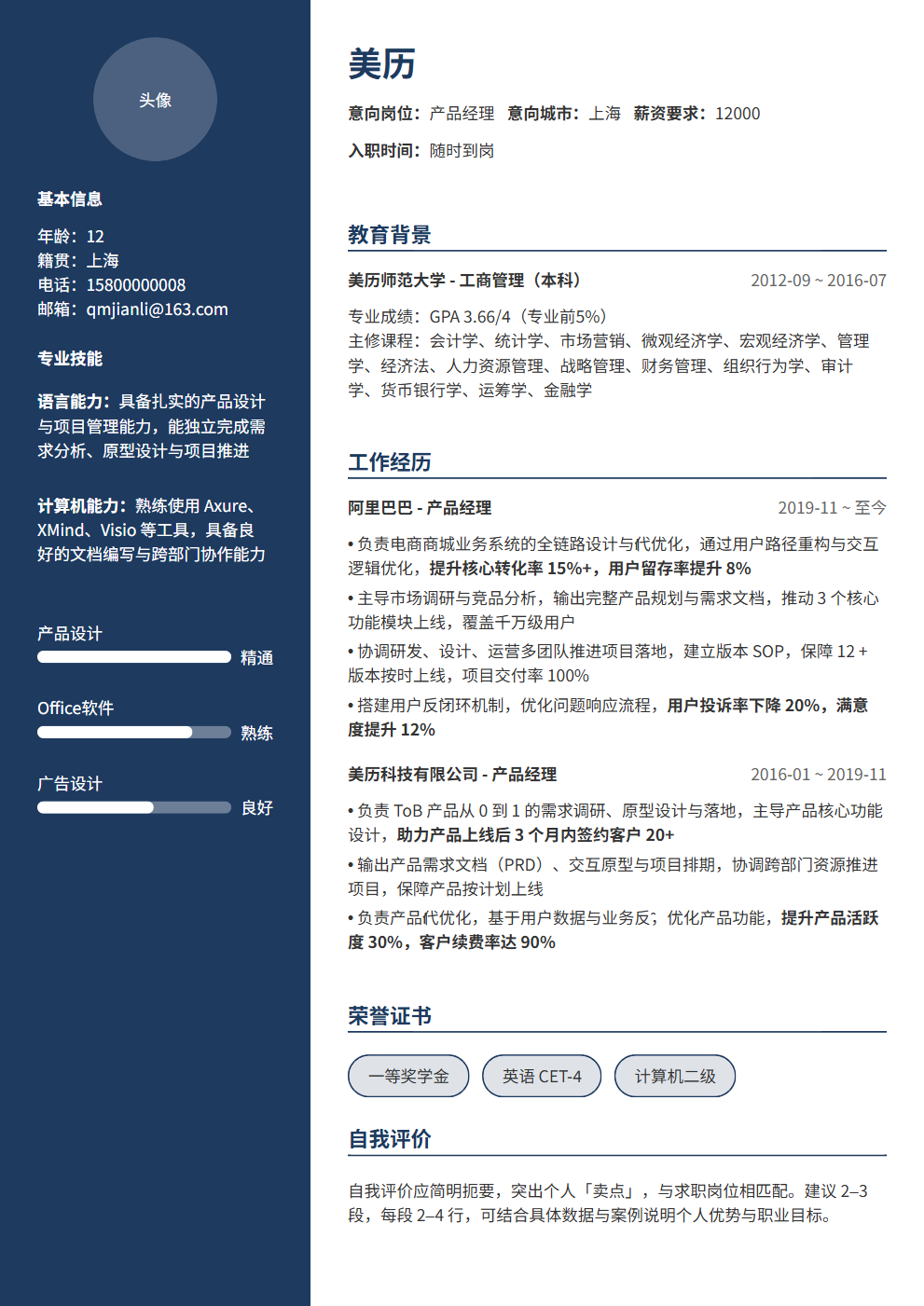
Want to present your best self in interviews? The first step is preparing a professional resume. Use BeautyResume resume editor to easily create a standout professional resume that catches interviewers' eyes—so your strengths are no longer hidden and great companies come looking for you.