Quit First or Job Hunt While Employed? 5 Criteria for Timing Your Career Move
Is quitting first too risky, or is job hunting while employed more sensible? Use 5 dimensions to judge the best timing for your career move and avoid the financial pressure and job search anxiety of impulsive resignations.
1. Pros and Cons of Each Approach
Quitting First (Naked Resignation)
- Advantages: Time freedom, full focus on interview preparation; no awkward leave requests
- Risks: Financial pressure, gap-period anxiety, weaker negotiation position (no job = no fallback)
Job Hunting While Employed (Riding a Donkey to Find a Horse)
- Advantages: Financial security, stronger negotiation position, zero gap-period pressure
- Risks: Time constraints, complicated interview scheduling, risk of current employer finding out
There's no absolute right or wrong — the key is making a rational choice based on your specific situation.
Deeper Psychological Considerations
Many people only calculate the financial equation while ignoring the psychological one. The biggest enemy after quitting isn't unemployment — it's self-doubt. Scrolling through job boards daily, sending resumes into the void, gradually erodes your confidence. You start questioning your abilities, lowering your expectations, and may ultimately accept a position worse than the one you left.
The psychological burden of job hunting while employed is different. You must split attention between two worlds — working by day, applying by night — which leads to burnout over time. Worse, if your current employer discovers your search, you risk being marginalized. That psychological strain deserves equal consideration.
Ask yourself one question: Which pain scares you more? The uncertainty anxiety of quitting, or the energy drain of searching while employed? The answer varies by person, but honestly facing your psychological tolerance matters more than any rational analysis.
2. Five Criteria to Help You Decide
Criterion 1: Financial Reserves
Do you have 6+ months of living expenses saved? Without this, quitting first carries extreme risk. Job searches often take longer than expected — 3 months without work triggers anxiety, and 6 months seriously impairs judgment.
Criterion 2: Industry Climate
Is your industry hiring or laying off? If the industry is contracting with few openings and high competition, you may struggle to find opportunities after quitting. Conversely, in a booming industry, the risk is more manageable.
Criterion 3: Current Work Situation
Is your current job seriously affecting your physical or mental health? If going to work depletes you daily, staying may cost more than quitting. But if you're merely "unsatisfied," job hunting while employed is safer.
Criterion 4: Market Competitiveness
How competitive are you in the market? If you're a scarce talent with recruiters reaching out, quitting is less risky. If your role faces intense competition, search while employed.
Criterion 5: Job Search Readiness
Is your resume ready? Are your interview skills polished? Are target companies identified? Quitting without preparation is like entering a battlefield unprepared.
3. Practical Tips for Job Hunting While Employed
If you choose to search while employed, these tips will help you be more efficient:
- Apply during lunch breaks and after work: Concentrate submissions and communications in non-work hours
- Schedule interviews in advance: Arrange for mornings or afternoons to minimize leave requests
- Don't apply from company computers: Use personal devices to avoid monitoring
- Ask contacts for discretion: Tell recruiters and referral friends you're currently employed and need confidentiality
- Maintain current work quality: Don't slack off because you're leaving — professional reputation matters
4. Managing Your Job Search Rhythm After Quitting
If you've already quit or decided to quit, establish a strict job search rhythm:
- Weeks 1-2: Polish resume, compile target company list, activate network
- Weeks 3-6: Intensive applications — at least 5 per day — while preparing for interviews
- Weeks 7-10: Peak interview period — review each interview's performance and continuously improve
- Weeks 11-12: If no satisfactory offer yet, expand your search scope and consider backup plans
Key: Set a time deadline for yourself — beyond it, adjust expectations or strategy rather than waiting indefinitely for the "perfect opportunity."
5. Final Checklist Before Making Your Move
Whichever approach you choose, confirm these items before jumping:
- Resume optimized for target roles
- At least 3 target companies identified
- Financial reserves covering 3-6 months
- Professional answer for reasons for leaving prepared
- Transition plan for current work responsibilities
6. Managing Your Mindset After Quitting
The biggest challenge after quitting isn't the job search itself — it's maintaining a stable mindset. Many people fall into an anxiety loop during their gap period, which ultimately hurts interview performance and decision quality.
Strategies for Managing Anxiety
- Establish daily structure: Treat job searching as a full-time job — start at 9 AM, finish at 6 PM, and avoid checking job boards outside those hours
- Track daily progress: Log applications sent, interview feedback, and skills developed in a spreadsheet — use objective data to counter subjective anxiety
- Build a support system: Connect with friends who are also job hunting for mutual encouragement and avoid carrying the pressure alone
Avoiding Desperation Signals in Interviews
The longer your gap period, the more likely you are to project a "I'll take any offer" mentality. This makes interviewers question your judgment and career planning ability. Always convey "I'm carefully choosing the right opportunity" — not "I desperately need a job." Even when anxious internally, maintain composure and selectivity.
Staying Physically Active
Exercise is the most effective free weapon against anxiety. At least 30 minutes of moderate-intensity exercise daily not only improves mood but also helps you present better energy in interviews. Your unemployment period should make you healthier than when you were employed — this is a competitive advantage many people overlook.
7. How to Resign Gracefully
Resignation is an art. Handle it well and you preserve valuable professional networks; handle it poorly and you may create lasting damage.
Writing Your Resignation Letter
Keep it concise and professional, including three elements: your intention to resign, your expected last working day, and gratitude for the opportunity. No need to detail your reasons, and absolutely no complaints. A well-crafted resignation letter reflects your professionalism.
The Resignation Conversation with Your Manager
- Choose the right timing — avoid bringing it up when your manager is overwhelmed or in a bad mood
- Communicate verbally first, then submit the written letter — this shows respect
- Express gratitude and frame it as a personal career development decision, not dissatisfaction with the company
- If your manager makes a counteroffer, decide in advance how to respond politely but firmly
Creating a Handover Plan
Proactively provide a detailed handover document listing ongoing projects, key contacts, pending tasks, and important notes. This demonstrates professionalism and gives your manager peace of mind, preventing friction during the transition.
Maintaining Professional Relationships
Before leaving, have individual meals or coffee with key colleagues and express genuine gratitude. Stay in touch after departure with periodic check-ins. The professional world is smaller than you think — today's colleague could be tomorrow's reference.
Tips for the Exit Interview
The HR exit interview is not your venting session. Maintain a constructive tone — if offering feedback, use "It would be even better if..." phrasing rather than direct criticism. Your responses may be documented and could affect future background checks.
Summary
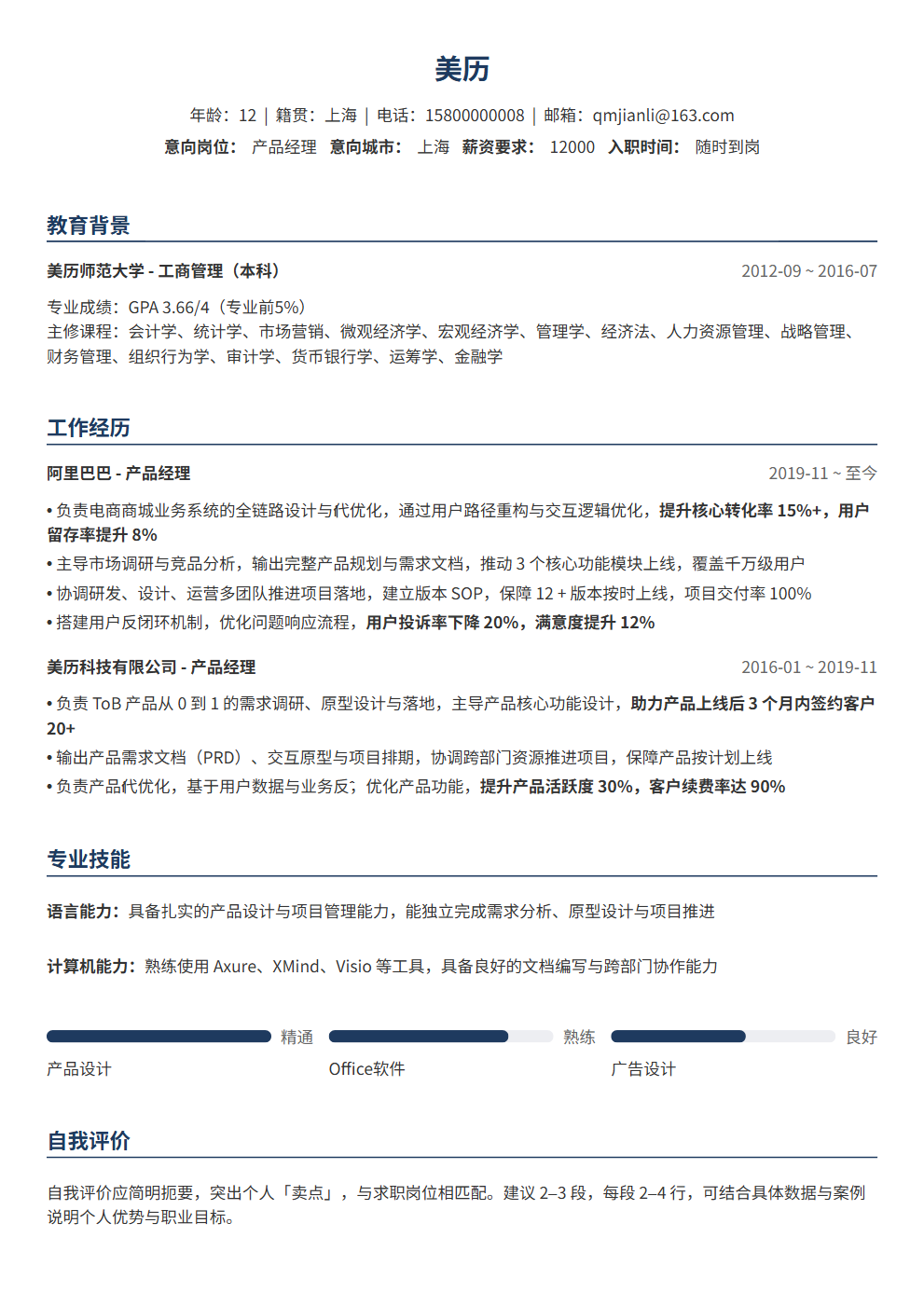
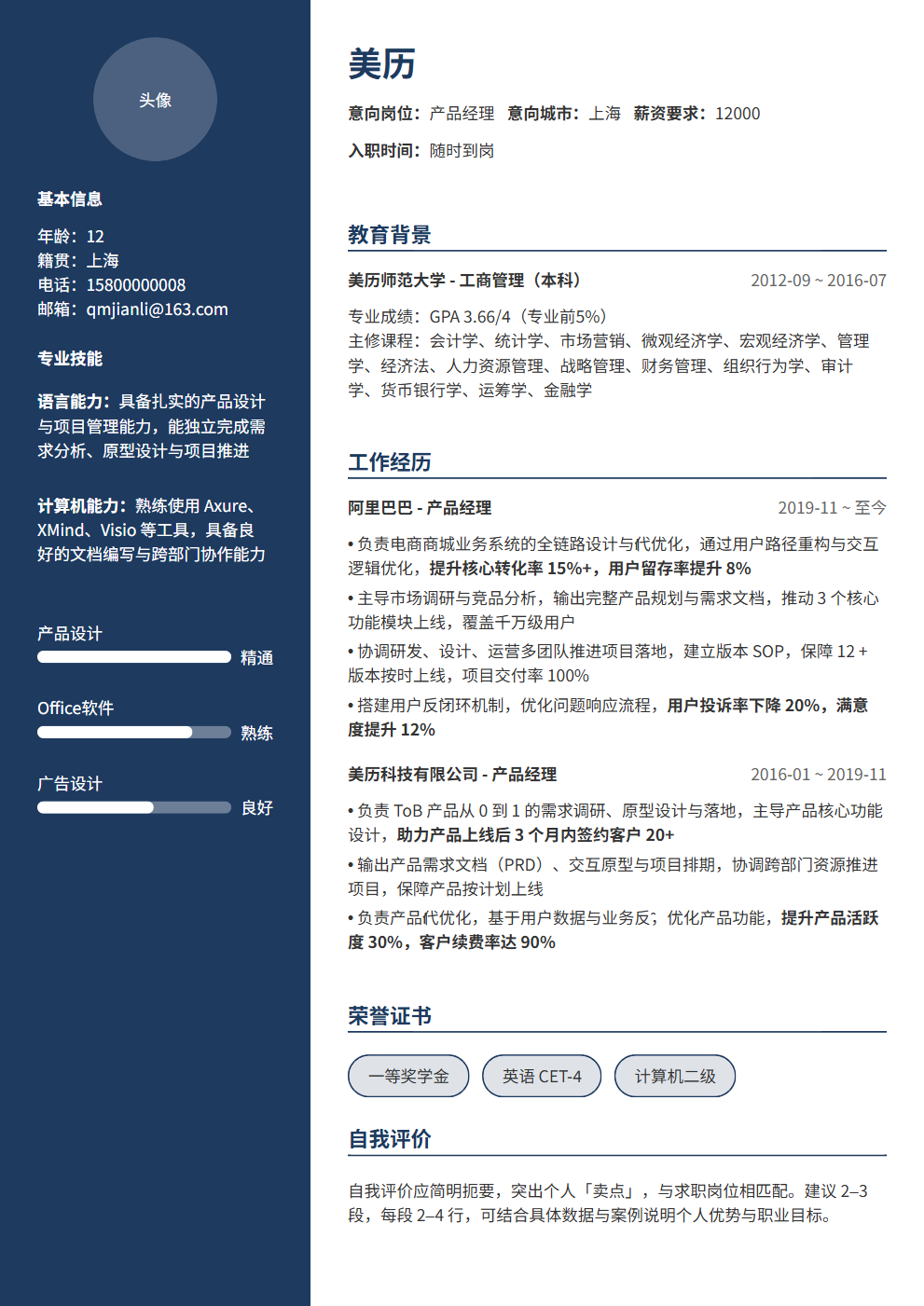
There's no standard answer for timing your career move — financial reserves, industry climate, work situation, market competitiveness, and job search readiness are 5 dimensions for rational judgment. In most cases, job hunting while employed is the safer choice; but if your current job is seriously harming your well-being, quitting is acceptable. After quitting, pay special attention to mindset management — maintain a structured routine and positive attitude to prevent anxiety from undermining your interviews. When resigning, do so gracefully and preserve your professional relationships. Whichever path you take, prepare your resume and job search strategy in advance to maintain control. A carefully optimized resume is the essential first step you must complete, whether you choose to quit first or hunt while employed.