An Office Politics Playbook: Professional Neutrality, Broad Relationships, Information, and When to Take a Stand
Office politics is everywhere. Not taking sides can leave you marginalized; picking the wrong side can drag you down. These 5 principles help you avoid getting entangled in conflicts without becoming isolated, staying clear-headed and proactive in complex workplace dynamics.
Office Politics Isn't Something You Can Opt Out Of — It's Something You Have to Navigate
Many people think "I don't participate in office politics" keeps them safe. But office politics isn't something you can simply choose not to engage with. When two managers are vying for power, not taking a stand is itself a statement. When colleagues form cliques, not joining means you might get excluded. When departments compete for resources, where you stand determines what you get. The essence of office politics is resource allocation — as long as you're in the workplace, you're a participant. Rather than pretending it doesn't exist, learn to stay clear-headed and proactive in complex relationships.
Principle 1: Maintain Professional Neutrality — Focus on Issues, Not People, and Let Your Work Speak
The safest position in office politics is "professional neutrality" — basing your judgments and actions on facts and logic, not on who you're close to. Specific practices:
- When discussing issues, cite data and facts rather than "I feel" or "Director X said." When someone tries to pull you onto their side, you can say "Let's look at what the data tells us," steering the discussion back to professional ground.
- Maintain equal professionalism with all colleagues. Don't favor someone at work because you're close, and don't create obstacles because you don't get along. Your professional performance is your strongest moat.
- Keep objective language in meetings and emails, avoiding emotional phrasing. Written records are your best evidence for proving your innocence during conflicts.
Principle 2: Build a Diverse Network — Don't Get Too Close to Just One Circle
The most dangerous position in the workplace is "belonging to only one circle." When that circle loses influence, you go down with it. Ways to build a diverse network:
- Cross-departmental socializing: Don't just eat and chat with people from your own department. Proactively meet colleagues from other teams. When inter-departmental conflicts arise, having connections on both sides makes it harder to be labeled as belonging to one camp.
- Cross-level communication: Don't only interact with peers and superiors. Maintain good relationships with subordinates and interns too. Information often leaks from the bottom first — every additional information channel gives you more initiative.
- External networks: Attend industry events, join professional communities, and build connections outside your company. When internal political environments deteriorate, external networks are your safety net.
Principle 3: Maintain Information Symmetry — Listen More, Speak Less, and Understand All Positions Before Judging
In office politics, information asymmetry is the biggest trap. What you hear may be only one side of the story, and rushing to take a stand often means picking the wrong side. Ways to maintain information symmetry:
- Listen more, speak less: When you're uncertain about the situation, observe and listen first. Don't rush to express a position. You can ask questions and understand the situation, but don't jump to conclusions.
- Verify through multiple channels: After hearing something, verify it from different people and different angles. What A tells you and what B tells you may be completely different — the truth is often in the middle.
- Delay taking a stand: When someone asks you to take a position, say "I need to understand the situation better" or "Let me think about it." Giving yourself time to think and gather information is far safer than hastily choosing a side.
Principle 4: Take a Stand at Critical Moments — Not Speaking Up Is Itself a Statement; Choose the Right Time to Make Your Position Clear
Staying neutral doesn't mean never taking a stand. At critical moments, not speaking up is itself a statement — others may see you as weak, lacking conviction, or secretly supporting one side. When you must take a stand:
- When principles are at stake: When something crosses your professional or ethical bottom line, you must make your position clear. If someone asks you to do something improper, you can't be ambiguous.
- When team interests are involved: When your team or subordinates are treated unfairly, you must stand up for them. If you don't protect your own team, no one will follow you.
- When major company decisions are involved: When the company faces a critical choice and your professional judgment could influence the direction, you have a responsibility to express your view.
The key to taking a stand is "focus on the issue, not the person" — you're supporting a particular approach or position, not a particular individual. This way, even if the approach you supported isn't adopted, you won't be categorized as belonging to one camp.
Principle 5: Always Have an Exit Strategy — Maintain Competitive Skills and External Opportunities So No One Can Hold You Hostage
The scariest thing in office politics isn't picking the wrong side — it's being held hostage by one camp with no way out. Ways to maintain your exit options:
- Continuously strengthen your core competitiveness: Your professional skills are your greatest bargaining chip. When the political environment deteriorates, capable people can always find new opportunities; those without skills can only swallow their pride.
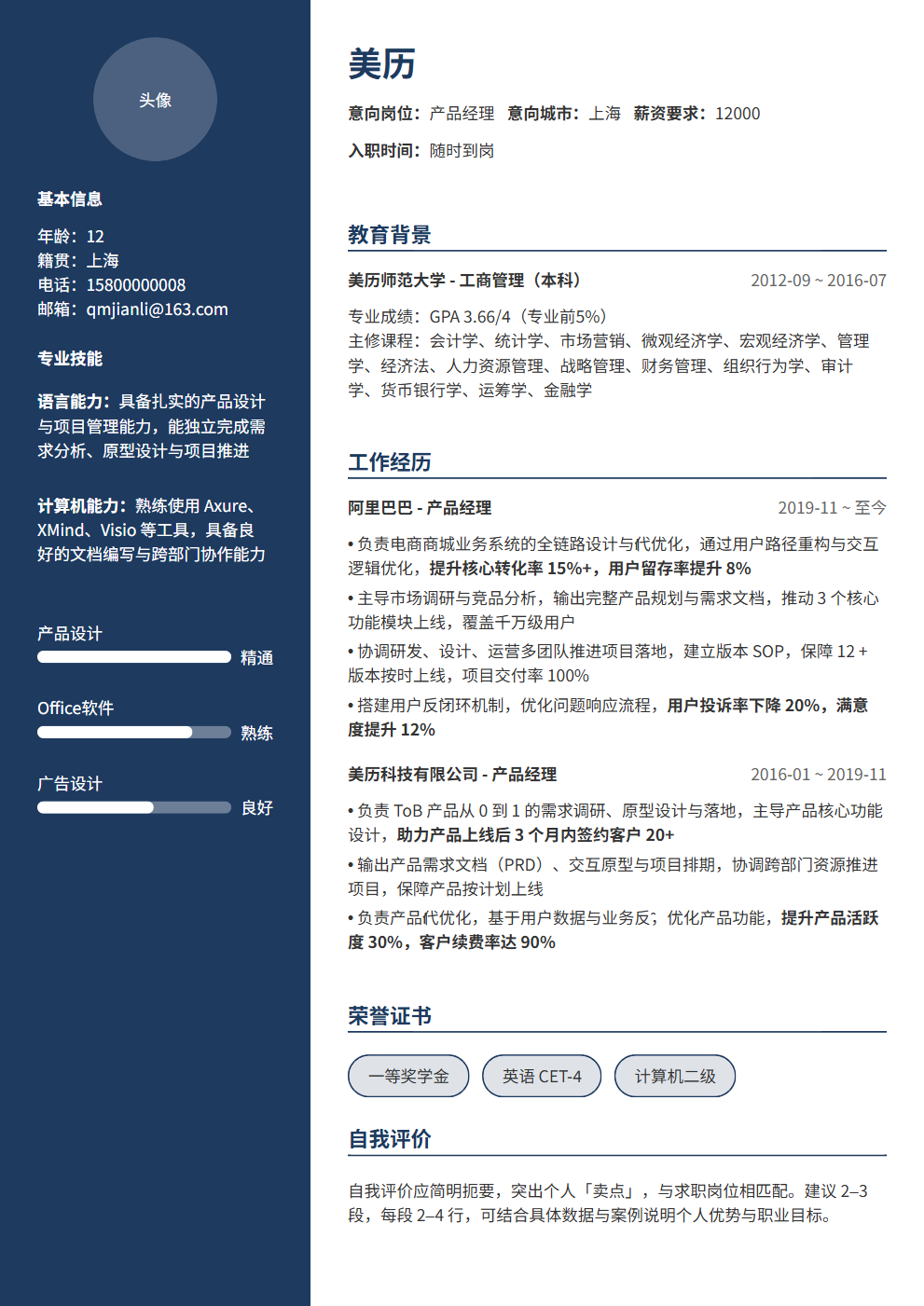
- Keep your resume updated: Update your resume every quarter, recording your latest project achievements and skill improvements. When you need to leave, a ready-to-use resume is more valuable than anything.
- Stay aware of external opportunities: Regularly check job postings to understand your market value. This isn't about job-hopping at any moment — it's about knowing you can leave whenever you want, which gives you the confidence to refuse unreasonable demands.
3 Common Office Politics Scenarios and How to Handle Them
Scenario 1: Manager rivalries — Two managers are openly or covertly competing, and you're caught in the middle. Response: Don't badmouth B in front of A, or A in front of B. Maintain professionalism and respect with both managers. Use formal channels for work updates and avoid passing messages privately. If forced to choose sides, pick the side more relevant to your job responsibilities, and explain your choice with professional reasons rather than personal relationships.
Scenario 2: Colleague cliques — Someone pulls you into their inner circle, and not joining means getting excluded. Response: Maintain friendly but not deep relationships with all circles. Participate in group activities but don't engage in private gossip. Be polite to everyone without taking sides. If exclusion becomes severe enough to affect your work, report it to your supervisor or HR, using facts rather than emotional accusations.
Scenario 3: Cross-departmental power struggles — Departments compete for resources, and you're expected to advocate for your department's interests. Response: Understand other departments' needs and look for win-win solutions. When advocating for resources, use data and business value rather than departmental relationships or personal influence. When you help other departments solve their problems, they'll cooperate with you when you need it.
Office Politics Is Reality, But You Can Choose Not to Let It Define You
Office politics is a reality every professional must face, but you can choose not to let it define you. Maintain professional neutrality, build a diverse network, keep information symmetry, take a stand at critical moments, and always have an exit strategy — these 5 principles help you stay clear-headed and proactive in complex workplace relationships. Remember, your greatest bargaining chip in the workplace is always your professional ability and market value, not which side you've joined. If you're dealing with office politics and need a resume that can open new doors at any time, try BeautyResume's resume editor — professional templates help you write every work experience clearly and powerfully, smart word suggestions help you highlight your core competitiveness and market value, ensuring you always have a presentable resume when you need to move on, and never again be held hostage by any one side.