5 Interview Signals That Indicate a Company Might Have Problems
Feel something's off during an interview but can't pinpoint it? These 5 signals indicate potential company problems — interviewer belittling former employees, evasive about overtime, refusing to let you meet the team, job description mismatch, and rushing you to join, with deeper meanings and verification methods.
Interviews are a two-way street — the company is choosing you, and you're choosing the company. But many people focus so much on presenting themselves that they miss the signals the company is sending during the interview. The interviewer's attitude, the interview process arrangement, and how they respond to key questions all reveal the company's true nature. If you feel "something's off but can't pinpoint it" during an interview, it's probably not your problem — the company is sending warning signals. Here are 5 signals that indicate a company might have problems.
Signal 1: The Interviewer Frequently Belittles Former Employees
The interviewer keeps mentioning problems with previous employees during the interview — "The last person wasn't capable," "The one before left after three months, so unreliable," "We've hired several people for this team and none worked out." This seems like explaining job requirements, but it actually reveals deeper issues.
- Deeper meaning: If one person doesn't work out, it might be an individual problem; if multiple people don't work out, it's likely a management problem. An interviewer who frequently belittles former employees suggests the team may have management deficiencies, a poor work atmosphere, or unreasonable job design. Good companies say "Our team is great; the previous person had better development opportunities," not repeatedly emphasizing former employees' shortcomings
- Real case: Xiao He interviewed with a department manager who kept saying "The last few hires didn't work out; they left after a short time." Xiao He didn't think much of it. After joining, she discovered the manager micromanaged to the extreme — monitoring progress daily, revising plans, and rejecting your ideas. Four people had left the team within six months. What the interviewer called "former employees not working out" was actually "management not working out"
- What else this signal means: The interviewer might be someone who likes to shift blame. Attributing team problems to former employees rather than reflecting on their own management style means this leader will likely blame you for problems after you join
- How to respond: When the interviewer belittles former employees, you can politely follow up: "What were the main reasons previous colleagues left? What improvements has the team made?" If the interviewer can't answer or avoids the question, that's a clear warning signal
Remember: Good managers reflect on management issues from departures rather than blaming those who left. The frequency of an interviewer belittling former employees is directly proportional to the company's problems.
Signal 2: Evasive About Overtime
You ask "Is there much overtime for this position?" and the interviewer responds with "It depends on the project," "Occasionally it gets busy," "Everyone works hard here," "We don't mandate overtime" — these responses are all evading your question. If a company doesn't have much overtime, the interviewer will directly say "Basically no overtime" or "Rarely." Being evasive means overtime is the norm.
- Deeper meaning: "It depends on the project" = frequent overtime; "Occasionally it gets busy" = frequent overtime; "Everyone works hard here" = overtime is the culture, and not doing overtime means you don't fit in; "We don't mandate overtime" = not mandatory but there's plenty of "soft overtime" — like receiving new requirements just before leaving, "voluntary" team building on weekends, and work group chats active at 10 PM
- Real case: Xiao Yang asked about overtime during the interview, and HR said "We don't mandate overtime; it depends on personal efficiency." After joining, she found that while the company didn't mandate overtime, the leader would assign new tasks right before 6 PM, requiring them "by tomorrow morning." Without overtime, the tasks were impossible to complete, and "incomplete tasks" affected performance reviews. The so-called "no mandatory overtime" actually meant "no overtime = incomplete tasks"
- What else this signal means: The company's evasive attitude toward overtime reflects a lack of work-life balance in the company culture. If they're not willing to honestly discuss overtime during the interview, you're even less likely to get reasonable rest time after joining
- How to respond: Ask more specific questions — "What time did the previous person in this role typically leave work?" "In the past month, how many days did the team work past 8 PM?" "What's the overtime frequency during urgent projects? Is there overtime pay or compensatory leave?" Specific questions make it harder for interviewers to evade
Overtime isn't a "minor issue" — it directly affects your quality of life, physical and mental health, and long-term career development. A company that's evasive about overtime during the interview will likely make you "voluntarily" work overtime after you join.
Signal 3: Refusing to Let You Meet the Future Team
You ask to chat with future team members, and the interviewer says "It's not necessary," "They're very busy," "It's not part of our process" — behind these refusals may be truths they don't want you to know.
- Deeper meaning: Refusing to let you meet the future team might be because the team atmosphere is poor, team members would tell you about the real overtime situation and work pressure, or the team's recent turnover rate is high and they don't want you to know. Good companies are usually happy to let you interact with the future team — it shows confidence in their team
- Real case: Xiao Zhou asked to chat with future team members during the interview, but HR refused, citing "process restrictions." After joining, she discovered that 5 out of 8 team members were new hires from the last 3 months, and almost all the veterans had left. The team atmosphere was oppressive, the leadership style was authoritarian, and new employees averaged 3 months before leaving. HR refused to let her meet the team because they feared she'd learn the truth early
- What else this signal means: The company may not value employee experience. If they won't even accommodate your reasonable need to understand the team during the interview, your other needs will likely be ignored after joining
- How to respond: During the final interview, say "I really value team atmosphere. Could you arrange a brief 15-minute chat with 1-2 future team members?" If refused, follow up with "May I ask why it's not convenient to arrange?" If the reason is insufficient, that's a clear warning signal
Meeting the future team isn't an "excessive request" — it's an important way to understand the real work environment. The company that refuses to let you meet the team may be the one you most need to understand in advance.
Signal 4: Job Description Seriously Mismatches Reality
You interviewed for "Product Manager," but the interview focused entirely on operations; you applied for "Senior Engineer," but the interviewer says "You'll start from the basics"; the JD says "responsible for product planning," but during the interview they say "mainly execution and implementation" — a serious mismatch between the job description and actual work content means the company is "bait and switching."
- Deeper meaning: A mismatch between the job description and reality might be because the company deliberately uses senior positions to attract talent, the actual position level is lower than described, or the work content is completely different from the JD. This "bait and switch" recruitment approach indicates the company is dishonest, and there may be more "surprises" waiting after you join
- Real case: Xiao Ma interviewed for "Data Analyst," with the JD stating "responsible for data modeling and business insights." During the interview, he discovered the actual work was creating daily, weekly, and monthly reports using Excel, with occasional fixed SQL queries. This was completely different from "Data Analyst" — more like "Report Specialist." The interviewer said "Start with these, and there will be opportunities for analysis later" — this "later" will probably never come
- What else this signal means: The company may have unclear position definitions. If they can't even write an accurate job description, the position likely lacks clear definition and development path within the company. You might face the awkward situation of "doing everything but mastering nothing" after joining
- How to respond: Ask about daily work content in detail during the interview — "What are the typical daily/weekly tasks for this position?" "Can you give a recent project example that illustrates the specific work of this role?" "Is the work consistent with what's described in the JD?" If the interviewer's answers clearly diverge from the JD, be alert
The job description isn't "just something written casually" — it's a written agreement about your work content after joining. A company with a serious JD-reality mismatch is either poorly managed or intentionally misleading. Neither is a good signal.
Signal 5: Rushing You to Join Quickly
They're pushing you to join right after the interview — "We're very urgent, can you start next week?" "This position is very urgent, please respond quickly," "We'll give you 3 days to consider" — this urgency seems like valuing you, but may actually hide problems.
- Deeper meaning: Rushing you to join quickly might be because the previous person left suddenly leaving a vacancy that urgently needs filling, the team has high turnover and is always short-staffed, or the company wants you to join before you've thought things through, preventing you from discovering more issues. Good companies give you reasonable time to consider — typically 1-2 weeks, because they know good decisions take time
- Real case: Xiao Lin was asked to respond within 3 days after the interview, with the reason being "the position is urgent." She joined hastily and discovered the previous person had left suddenly due to a serious conflict with the leader, leaving a mess behind. The leader had extremely high expectations, demanding she "complete all the projects the predecessor didn't finish within one month." The so-called "urgent position" was actually "the predecessor left too urgently"
- What else this signal means: Rushing onboarding may indicate the company lacks planning. Normal hiring should have reasonable lead time, not waiting until someone leaves to frantically recruit. A company that lacks planning in hiring may lack organization in other areas too
- How to respond: If the company rushes you to join, you can politely respond: "Thank you for the recognition. I need some time to carefully consider this opportunity. Could you give me a week?" If the company insists on a very short consideration period, that itself is a warning signal — good companies won't give up on a suitable candidate over a week's wait
Rushing onboarding isn't "valuing you" — it might be "urgently needing someone" or even "a pit waiting for someone." A company that gives you reasonable consideration time is one that respects you and is worth joining.
What to Do When You Encounter These Signals
Discovering one or more of these 5 signals during an interview doesn't mean you must reject the offer — but you need to do further verification rather than ignoring the signals and joining directly.
- Don't ignore your intuition: If you feel "something's off" after the interview, don't convince yourself "maybe I'm overthinking." Intuition is often your subconscious capturing signals that deserve serious attention
- Proactively ask for details: For points that make you uncomfortable, proactively follow up in subsequent communications. How the interviewer responds (candidly or evasively) is itself important information
- Learn about the company through multiple channels: Information from the interview is limited. You need to verify through other channels — current employees, former employees, industry forums, social media, etc.
3 Verification Methods
If you've spotted warning signals during the interview, these 3 methods can help you further verify whether the company truly has problems.
- Method 1: Contact current or former employees — Through alumni networks, industry communities, LinkedIn, and other channels, find people who have worked at the company to understand the real work environment. Former employees are usually more willing to tell the truth because they have no concerns. Ask specific questions: "What's the team atmosphere like?" "Is there a lot of overtime?" "What's the leadership style?" "Is the turnover rate high?"
- Method 2: Check company review platforms — Maimai, Kanzhun, and Boss Zhipin's company review sections. While you can't trust everything, if you see numerous reviews about overtime, management chaos, and high turnover, you can basically confirm the interview signals are real. Note the difference between genuine reviews and malicious ones — genuine reviews have specific details, while malicious ones are just emotional venting
- Method 3: Observe interview process details — Is the interview process professional? Are interviewers on time? Is the interview arrangement chaotic? Is the office environment oppressive? Every detail of the interview process tells you about the company's management level and corporate culture. A chaotic interview process usually means chaotic internal management
Conclusion: Interviews Are a Two-Way Selection — Don't Just Focus on Presenting Yourself
These 5 interview signals — the interviewer frequently belittling former employees, being evasive about overtime, refusing to let you meet the future team, serious JD-reality mismatch, and rushing you to join — each may indicate company problems. Interviews are a two-way selection. Don't just focus on presenting yourself; observe the company's performance too. The interviewer's attitude, interview process arrangement, and responses to key questions all reveal the company's true nature. Don't panic when you spot signals, but don't ignore them either — use the 3 verification methods to confirm further, then make a rational decision. Remember: rejecting a problematic offer is infinitely better than discovering you've fallen into a pit after joining.
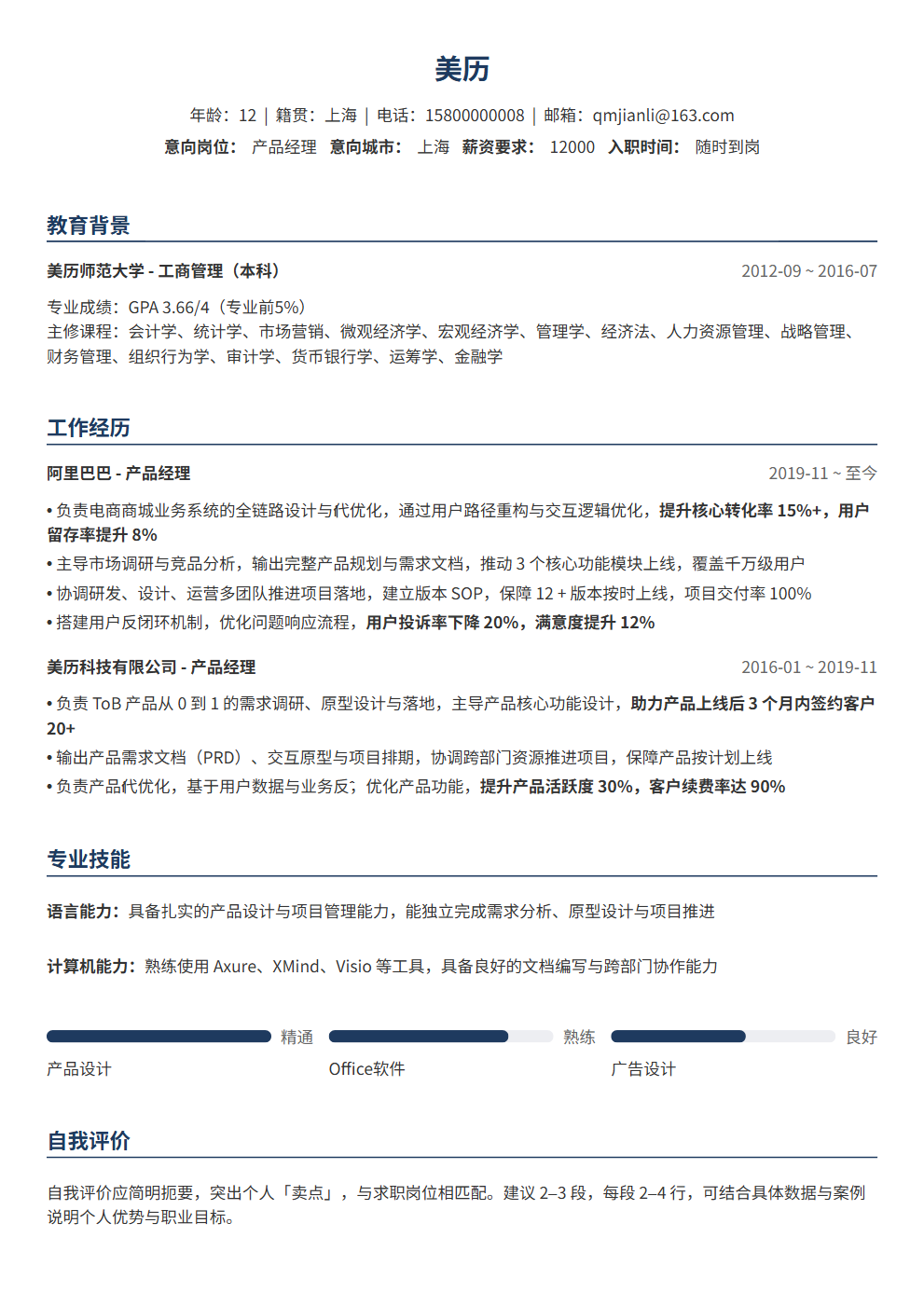
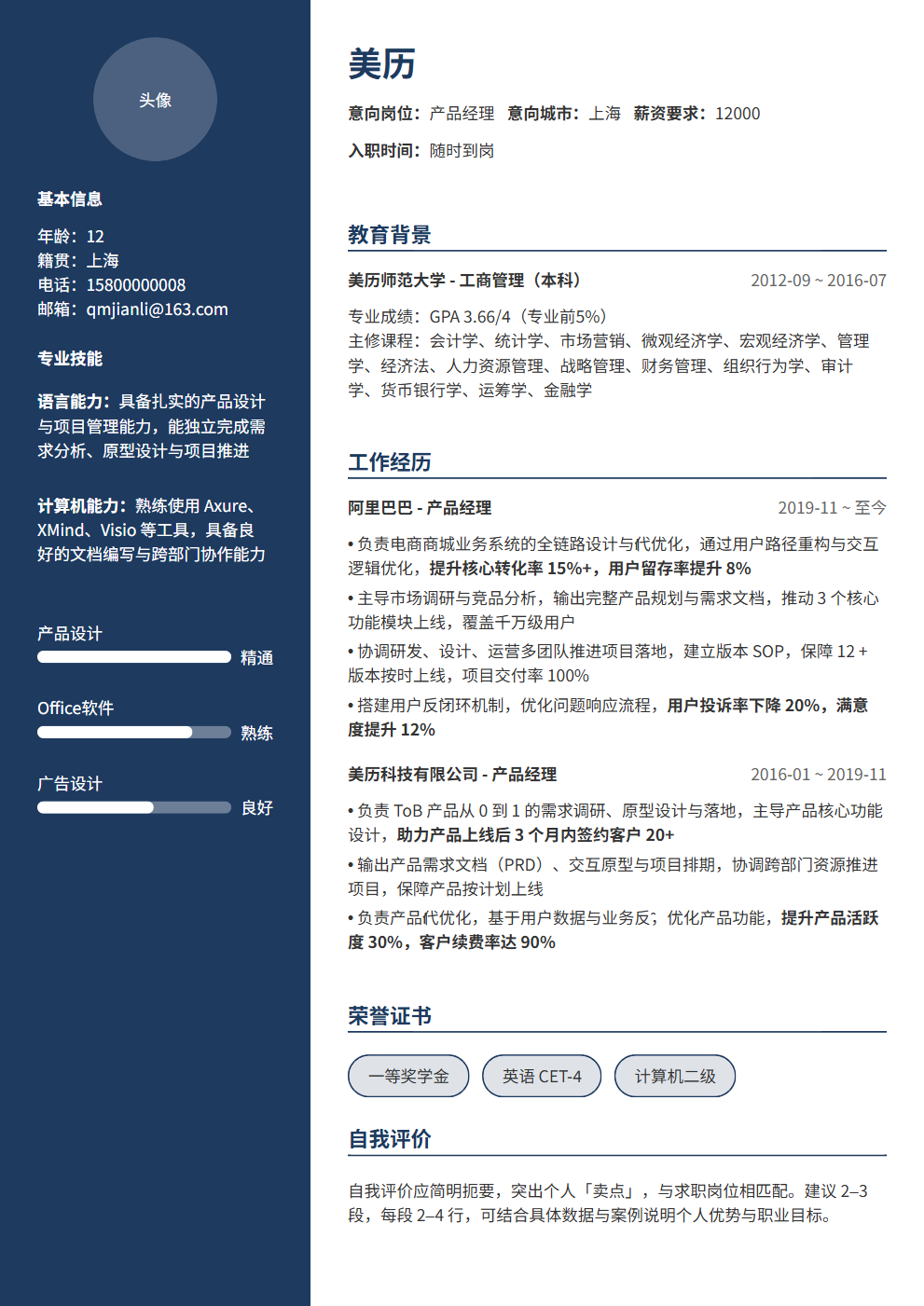
The first step before an interview is getting your resume ready. Use BeautyResume to create a professional resume that gives you more confidence in interviews — recognize signals, prepare well, and choose wisely in your job search.