How to Write a Post-Interview Thank-You Note? 3 Templates to Stand Out Among Candidates
90% of candidates do nothing after an interview — a single thank-you note can make you stand out. 3 templates (formal/casual/English), 3 key writing tips, optimal sending time, and 3 things you should never include.
The interview is over, you breathe a sigh of relief, thinking you can finally relax. But did you know? 90% of candidates do nothing after the interview — no thank-you note, no follow-up, just waiting for results. And you, with just 10 minutes to write a thank-you note, can stand out among that 90%. This isn't an exaggeration — many HR professionals and interviewers have said that a well-crafted thank-you note can genuinely influence the final decision, especially when candidates are closely matched. Today I'm giving you 3 thank-you note templates, plus key writing points, optimal sending time, and what not to include, so you can win the "invisible competition" after the interview.
Why Are Thank-You Notes Effective?
Many people think thank-you notes are "unnecessary" — the interview is over, what can it change? In reality, thank-you notes are far more impactful than you imagine.
- Benefit 1: Refresh your presence. An interviewer might see 5-10 candidates a day, 25-50 a week. By decision time, they might not even remember your face. A thank-you note reminds them — "Oh, that's the candidate who sent a thank-you note after the interview." When candidates are closely matched, presence is competitive advantage
- Benefit 2: Demonstrate professionalism. Sending a thank-you note after an interview shows you're polite, professional, and detail-oriented. These qualities are highly valued in the workplace, and interviewers will count it as a plus for your overall professionalism. Someone who proactively follows up after an interview is likely someone who communicates proactively and closes loops at work
- Benefit 3: Compensate for interview shortcomings. If you answered a question poorly during the interview, the thank-you note is a "remediation" opportunity. You can supplement your thoughts: "Regarding the XX topic we discussed today, I thought about it more after the interview and wanted to add..." This kind of proactive supplement shows the interviewer you're reflective and thoughtful
- Benefit 4: Express strong motivation. A thank-you note can reiterate your strong interest in the position. When interviewers are torn between candidates, "this person really wants to join" might be the deciding factor. Who wouldn't want an employee with strong motivation?
Thank-you notes aren't just "icing on the cake" — they're "invisible bonus points." When candidates are closely matched, a thank-you note might be the straw that determines whether you get the offer.
Template 1: Formal Thank-You Note
The formal version suits most interview scenarios — large companies, formal positions, and situations where the interviewer is more serious. The language is appropriate, the structure is clear, and the tone is respectful without being subservient.
- Email subject: [Thank You] [Your Name] — [Position] Interview Appreciation
- Body example: "Dear Mr./Ms. [Last Name], Thank you for taking the time to interview me today. Through our conversation, I gained a deeper understanding of your company's [specific business area] and team culture, and I'm even more confident that my professional background and career direction align well with this position. The [specific topic] we discussed left a strong impression on me — particularly your point about [specific insight], which gave me new perspectives on [subject]. If given the opportunity to join your team, I'm confident I can deliver value. Thank you again for your time, and I look forward to the possibility of working together. Sincerely, [Your Name], Phone: [XXX], Email: [XXX]"
- Key elements: Salutation (using the interviewer's last name), thanks for their time, expression of interest in the role, mention of specific topics from the interview (showing you were paying attention), expression of confidence and anticipation, contact information
- Best for: Large company interviews, formal positions, interviewers who are senior executives or experienced professionals, formal interview processes
Template 2: Casual Thank-You Note
The casual version suits relaxed interview atmospheres — startups, tech companies, and situations where the interviewer is younger or more easygoing. The language is natural, warm, and not overly formal.
- Email subject: Thanks for today's interview chat — [Your Name]
- Body example: "Hi [First Name], Great chatting with you today! I especially enjoyed our discussion about [specific topic] — it gave me a much more tangible feel for what you're building. The [specific challenge] you mentioned got me thinking afterward, and I think [specific approach] might also work as a solution — though that's just my initial thought and might not be fully baked. Anyway, through today's conversation, I'm even more convinced this role aligns perfectly with my direction, and I'm confident I can deliver. Looking forward to hearing back! Best, [Your Name]"
- Key elements: Salutation (matching the tone used during the interview), expression of enjoyment from the conversation, mention of specific topics, optional supplementary thoughts (showing continued thinking), expression of interest and confidence, natural closing
- Best for: Startups, tech companies, younger interviewers, relaxed interview atmosphere, conversations that felt more casual
Template 3: English Thank-You Note
If you're interviewing at a multinational or for a role requiring English communication, an English thank-you note is essential. Here's a standard English template.
- Email subject: Thank You — [Your Name] — [Position] Interview
- Body example: "Dear [Interviewer's Name], Thank you for taking the time to speak with me today about the [Position] role at [Company]. I truly enjoyed our conversation, particularly our discussion about [specific topic discussed]. It reinforced my enthusiasm for the opportunity to join your team and contribute to [specific area or project mentioned]. I'm confident that my experience in [relevant skill/area] would enable me to make a meaningful impact in this role. Please don't hesitate to reach out if you need any additional information. I look forward to hearing from you. Best regards, [Your Name] | [Phone] | [Email]"
- Key elements: Conciseness (English thank-you notes shouldn't be too long — 100-150 words is ideal), mention of specific interview topics, expression of enthusiasm and confidence, willingness to provide additional information, professional closing
- Best for: Multinational company interviews, overseas positions, interviews conducted entirely in English, foreign interviewers
3 Key Points for Writing Thank-You Notes
With templates in hand, you still need to pay attention to 3 key points to make your thank-you note truly effective.
- Point 1: Personalization — don't mass-send templates. Every thank-you note should be tailored to the specific interviewer and interview content. Mention specific topics discussed and specific viewpoints the interviewer shared, so they feel "this letter was written specifically for me." If you met 3 interviewers, write 3 different thank-you notes, each mentioning specific content from your conversation with that person. Sending identical thank-you notes to everyone is worse than not sending any at all
- Point 2: Conciseness — don't write a long essay. A thank-you note isn't an "interview retrospective report" — you don't need to rehash everything discussed. 100-200 words (100-150 words in English) is sufficient — thank them for their time, mention 1-2 specific topics from the interview, express interest and confidence, and leave your contact information. Interviewers are busy — a lengthy thank-you note only makes them think you lack focus
- Point 3: Add value — don't just say "thank you." The best thank-you notes not only express gratitude but also provide additional value. For example, supplementing thoughts you didn't have time to share during the interview, sharing an article related to a topic discussed, or offering a solution to a problem mentioned. This "value-adding" thank-you note is far more memorable than a simple "thanks"
When Should You Send a Thank-You Note?
Timing is crucial for thank-you notes — too early seems perfunctory, too late loses its impact.
- Optimal time: Send within 2-4 hours after the interview. This window doesn't seem like you "fired off a template the moment the interview ended" (too rushed) and isn't so late that the interviewer has forgotten who you are (too late). If you interviewed in the morning, send in the afternoon; afternoon interview, send that evening; evening interview, send the next morning
- Latest time: Within 24 hours of the interview. After 24 hours, the thank-you note's effectiveness diminishes significantly — the interviewer may have already started making decisions, and your note has lost its "decision-influencing" power
- Special cases: If the interview is on Friday, send it the same day — don't wait until Monday. By Monday, the interviewer may already be making decisions, and your note will be too late. If the interview is around a holiday, send it on the interview day, not after the holiday
3 Things You Should Never Write
Thank-you notes have 3 "forbidden zones" — writing them will only hurt your chances.
- Forbidden zone 1: Don't ask about results. "When will the interview results come out?" "Did I pass?" — A thank-you note is for expressing gratitude, not for pressing for results. Asking about results only makes the interviewer think you're impatient. If you genuinely want to know the timeline, send a separate follow-up email 3-5 business days after the interview
- Forbidden zone 2: Don't oversell yourself. A thank-you note isn't a "second interview" — you don't need to re-list all your strengths. "I'm the most suitable candidate" or "No one is more fit for this role than me" — this only makes the interviewer think you're arrogant. Expressing confidence is fine, but keep it measured: "I believe my experience can bring value to the team" is far better than "I'm the most suitable"
- Forbidden zone 3: Don't bring up salary negotiation. A thank-you note isn't the place for salary discussions. "Regarding compensation, I'd like to discuss further" — this makes you seem unprofessional. Salary negotiation should happen during the formal offer discussion, not in a thank-you note
Conclusion: 10 Minutes on a Thank-You Note Could Change Your Interview Outcome
90% of people do nothing after an interview, while you only need 10 minutes to write a thank-you note and stand out. Thank-you notes refresh your presence, demonstrate professionalism, compensate for interview shortcomings, and express strong motivation. 3 templates cover different scenarios — formal for large companies and formal positions, casual for startups and tech companies, English for multinationals and overseas roles. When writing, remember 3 key points — personalize, be concise, add value. Send within 2-4 hours after the interview, no later than 24 hours. Avoid 3 forbidden zones — don't ask about results, don't oversell, don't discuss salary. Remember, the interview doesn't end in the interview room — post-interview follow-up is part of the interview too. A well-crafted thank-you note might be the key step that lands you the offer.
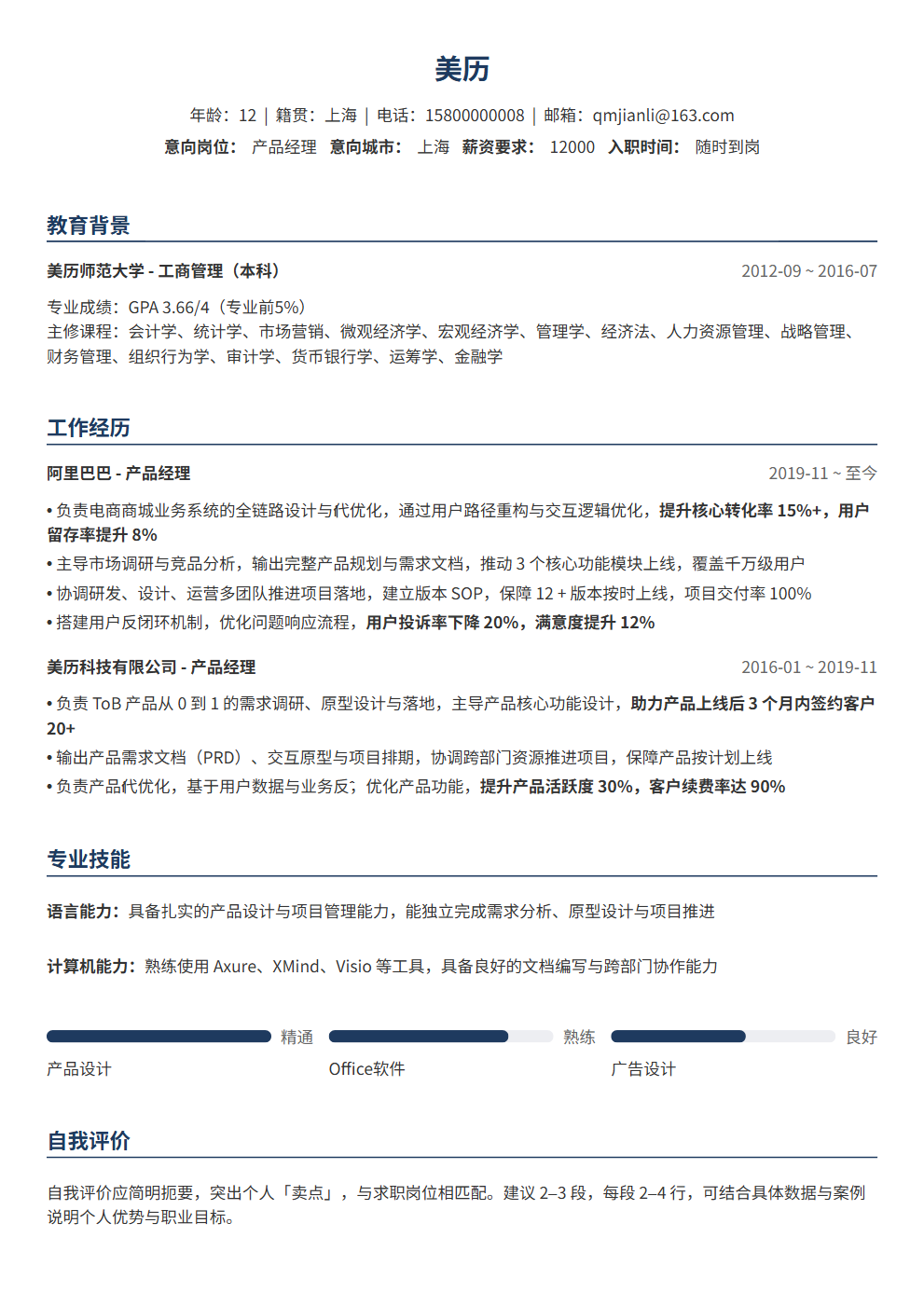
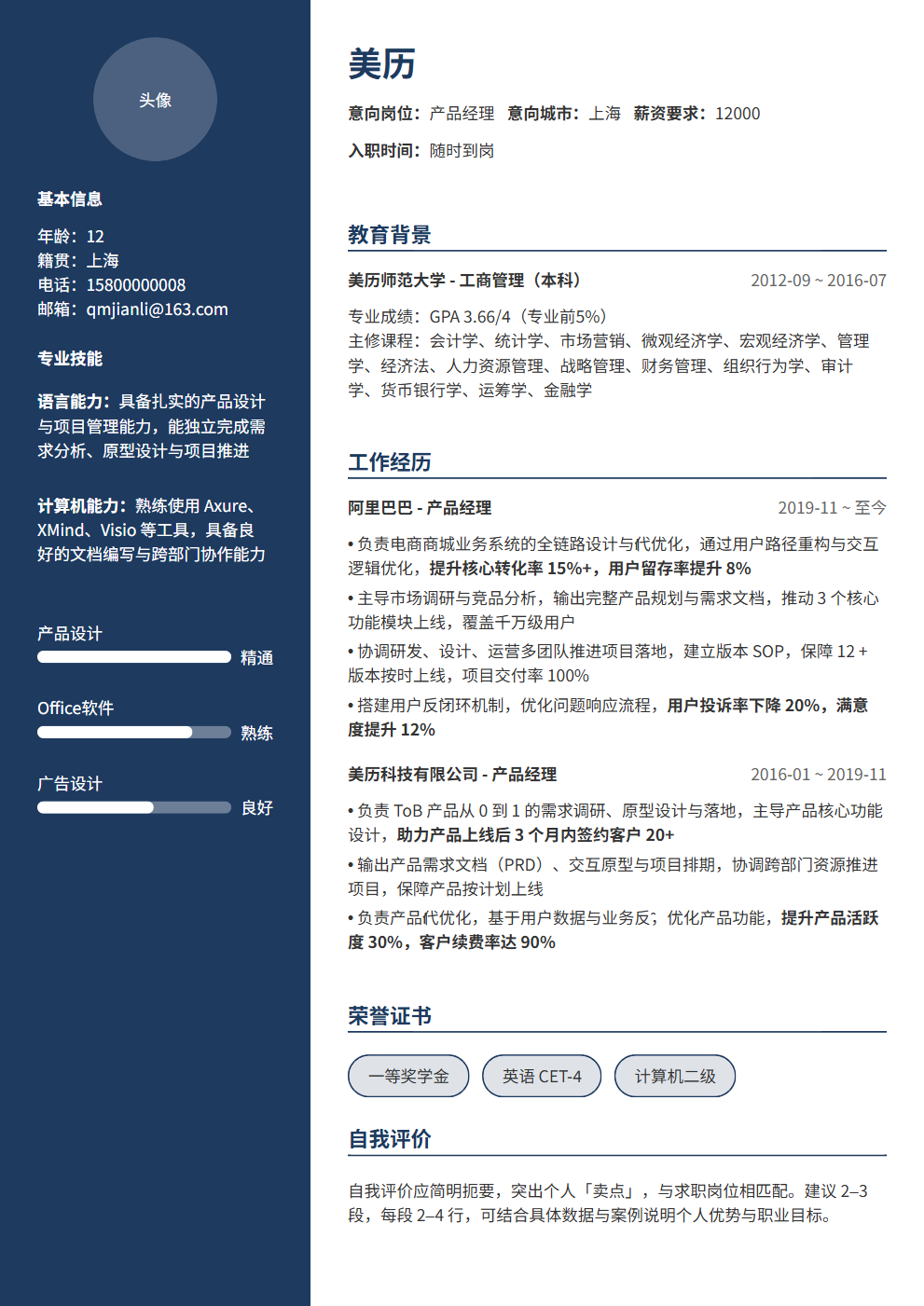
Every step after the interview matters, and so does every step before. Use BeautyResume resume editor to create a professional resume that gives you a head start — from resume to interview to thank-you note, make every step count.