Your First 30 Days After a Job Change: Research, Relationships, Quick Wins, and Expectation Management
Landing the job is just the beginning — the real test is the onboarding period. These 5 key moves will help you find your footing fast: research the business before Day 1, build a relationship map in Week 1, score a quick win in your first two weeks, understand the decision chain within 30 days, and proactively manage your boss's expectations.
Landing the Job Is Just the Beginning — Onboarding Is the Real Test
The moment you get the offer, you feel relief. But after you start, reality hits: unfamiliar business, unknown colleagues, confusing processes, and a boss whose style you can't read. Many people are still "finding their feet" 3 months after switching jobs, even questioning whether they made the right choice. It's not a capability issue — it's a methodology gap. These 5 key moves will help you find your footing within your first 30 days.
Move 1: Research the Business Before Day 1 — Don't Wait Until You Start
Many people go into "coast mode" after getting an offer. But the period between offer acceptance and your first day is your most valuable prep time.
At minimum, figure out these things before you start:
- What are the company's core products and services? Who are the target customers?
- Major company news in the past year: funding rounds, product launches, leadership changes
- Industry landscape: who are the main competitors? What are the industry trends?
- Your department's core responsibilities and current priorities
Information sources: company website, blog, industry reports, employee discussions on Glassdoor/Blind, notes from your recruiter or HR conversations. When you can say "I understand the company is focusing on X direction" on Day 1, your boss's first impression of you skyrockets.
Move 2: Build a Relationship Map in Week 1 — Figure Out Who's Who
Your first week isn't about delivering results — it's about understanding people. The interpersonal dynamics at a new company are more complex than you expect. Who has authority, who can help, who to avoid — the sooner you know, the better.
Week 1 relationship map checklist:
- Direct manager: What's their management style? What do they value? Do they prefer email or face-to-face communication?
- Key collaborators: Who will you work with frequently? What are their work rhythms and habits?
- Cross-functional contacts: Which departments' liaisons matter most for your work?
- Veteran employees: Who's the "office encyclopedia"? Who can you go to for questions?
- Fellow new hires: Other people starting at the same time — mutual support matters
Pro tip: Proactively invite colleagues to lunch during Week 1. It's 100x more useful than silently reading documents at your desk. The information you pick up over a meal far exceeds any onboarding manual.
Move 3: Score a Quick Win in Your First Two Weeks — Build Trust Through Small Results
The biggest fear for new hires is being invisible. If you produce nothing in your first two weeks, your boss and colleagues will assume you're "still settling in." You need to find a "quick win" — a small but visible accomplishment.
Criteria for a quick win:
- Not too difficult — completable within 1-2 weeks
- Solves a team pain point or improves a process
- Results are quantifiable or demonstrable
- Doesn't step on anyone's toes or take credit from others
Sources of quick wins:
- Streamlining an inefficient workflow
- Creating a template or resource the team has been missing
- Fixing a small problem everyone complains about but nobody addresses
- Volunteering for a small task that others don't have bandwidth for
A quick win isn't about "showing off" — it's about proving your value to the team. When your actions demonstrate "this person is useful," trust builds naturally.
Move 4: Understand the Decision Chain Within 30 Days — Learn How Things Get Done
At a new company, you'll find that the same task that was simple at your old job is now stuck. It's not a capability issue — you just haven't mapped the "decision chain": who approves, who decides, who executes, and what the process looks like.
Decision-chain details to nail within 30 days:
- What approval nodes does your work go through? How long does each take?
- Which decisions can you make independently, and which require your boss's sign-off?
- What's the cross-functional collaboration process? What systems or approvals are involved?
- Who are the real decision-makers? Sometimes it's not your direct manager
- Which things can you "do first, report later" vs. "report first, do later"?
How to figure it out: observe how veteran colleagues operate, ask senior teammates, walk through the process yourself. Don't assume your old company's playbook works at the new one — every company has its own "unwritten rules." The biggest trap of job hopping is assuming that changing companies doesn't change how things get done.
Move 5: Proactively Manage Your Boss's Expectations — Don't Wait for Them to Define Your Performance
A common mistake among new hires: waiting for the boss to assign tasks and evaluate performance. Smart new hires proactively manage their boss's expectations — keeping them informed about what you're doing, what you've accomplished, and what's next.
Three key actions for managing expectations:
- Week 1: Proactively talk to your boss — understand their expectations, your 30-day goals, and what matters most to them
- Weekly: Proactively share progress — no need for lengthy reports; a short message or a 5-minute verbal update is enough
- When facing difficulties: Communicate early — don't tough it out alone, and definitely don't wait until the deadline to say you can't deliver. Early communication lets your boss adjust resources or expectations
Managing expectations isn't about sucking up — it's about giving your boss peace of mind. They hired you to solve problems, not create surprises (or shocks). When your boss always knows your status and progress, their trust in you grows exponentially.
Job Hopping Isn't the Destination — Adaptation Is the Starting Line
Getting the offer is just your ticket in — how you establish yourself after walking through the door is the real test. Pre-researching the business gives you preparation. Building a relationship map in Week 1 keeps you from getting lost. Scoring a quick win in two weeks gives you visibility. Understanding the decision chain in 30 days makes things move. Proactively managing expectations earns trust. These 5 moves don't require extraordinary ability — just awareness and methodical execution.
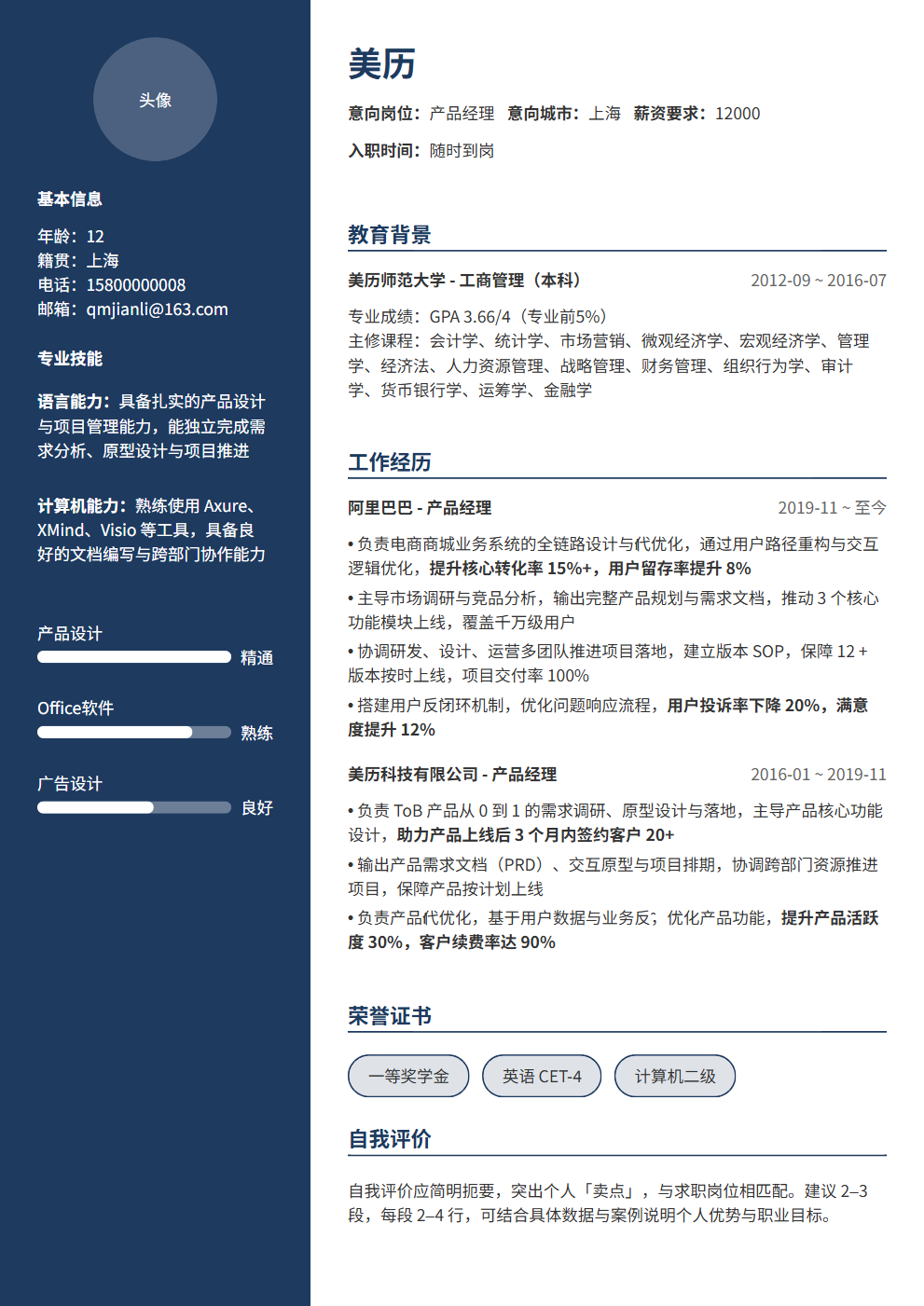
If you're considering a job switch, the first step is a rock-solid resume. BeautyResume offers professional templates and AI-powered optimization to help you present your best self during the job search. After all, getting the offer is just step one of the hop — and a great resume is step one of getting the offer. Try BeautyResume and start your job hop with professionalism from the very first step.