How to Overcome the Age 35 Career Crisis? 3 Transition Paths and Resume Revamp Strategies
The age 35 career crisis isn't the end — it's the starting point for transition. 3 transition paths (management, specialist, entrepreneurship) and 3 keys to resume revamp for 35+ professionals, helping you break through age anxiety and redefine the second half of your career.
Before 30, age 35 feels distant. After 30, it's staring you in the face — that's the reality for many professionals. You open job boards and see "under 35" requirements, and your heart sinks. New colleagues at work keep getting younger, while you're still doing the same work as five years ago. The age 35 career crisis isn't fear-mongering — it genuinely affects every working person. But the flip side of crisis is opportunity. Age 35 isn't the end of your career; it's the starting point for redefining your professional direction. The key lies in which transition path you choose and how you tell your story through your resume.
3 Truths About the Age 35 Crisis
Before discussing transitions, let's understand the nature of this crisis. Many people simplistically attribute it to "age discrimination," but the truth is far more complex.
- Truth 1: It's not about age itself — it's about value for money. Companies don't reject 35-year-olds; they reject the combination of "35-year-old age + 25-year-old capabilities + 30-year-old salary expectations." If at 35 you can deliver the value that comes with that age — management ability, industry insight, resource integration — companies won't mind your age at all
- Truth 2: It's not that opportunities don't exist — it's that your skills haven't grown with your age. Many people stop actively learning after 30, their skills stagnating at a three-year-old level while their salary and expectations keep rising. This "misalignment of capability and expectation" is the real root of the crisis
- Truth 3: Not all industries have an age 35 crisis. Fast-iterating industries (internet, IT) have more pronounced age anxiety, but experience-driven industries (healthcare, law, consulting, education) actually value seniority. Choose the right track, and 35 could be the start of your golden period
Understanding these three truths reveals that the age 35 crisis isn't an unsolvable dead end — it's a signal that you need to take initiative. Next, three transition paths to help you find your direction.
Path 1: The Management Route — From "Doer" to "Leader"
The management route is the most mainstream choice for 35-year-old transitions. The reason is simple: companies need people who can lead teams, and management ability requires accumulated experience — 35 is the perfect time to transition from executor to manager. But many misunderstand the management route, thinking a promotion makes you a leader. True management transformation is a fundamental shift in mindset and working style.
- Core of management transition: From "doing things well myself" to "enabling the team to do things well." This means learning to delegate, coach, and drive results through systems rather than personal effort. The biggest problem for many new managers is "not trusting others to do the work," resulting in burnout for themselves and zero growth for the team
- Management capabilities to build: Goal decomposition (breaking big goals into executable tasks), cross-departmental communication (coordinating interests and resources across teams), upward management (understanding your boss's true intentions and anticipating needs), conflict resolution (handling internal team disputes and performance issues), talent development (identifying and nurturing high-potential team members)
- How to start: If you lack management experience, begin with "informal leadership" — take on project coordination roles, mentor newcomers, organize team knowledge-sharing sessions. These experiences are far more valuable on your resume than "responsible for XX work"
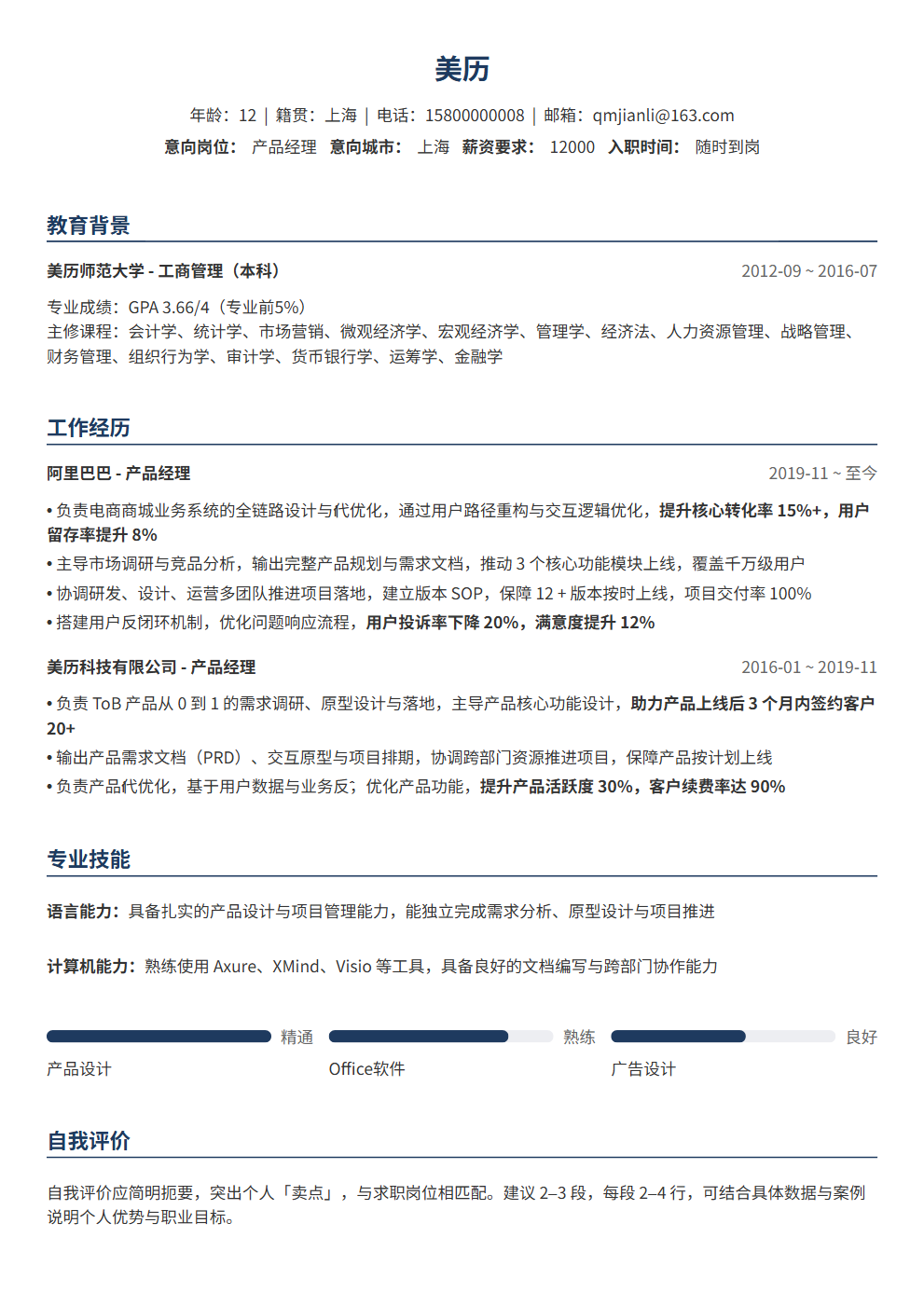
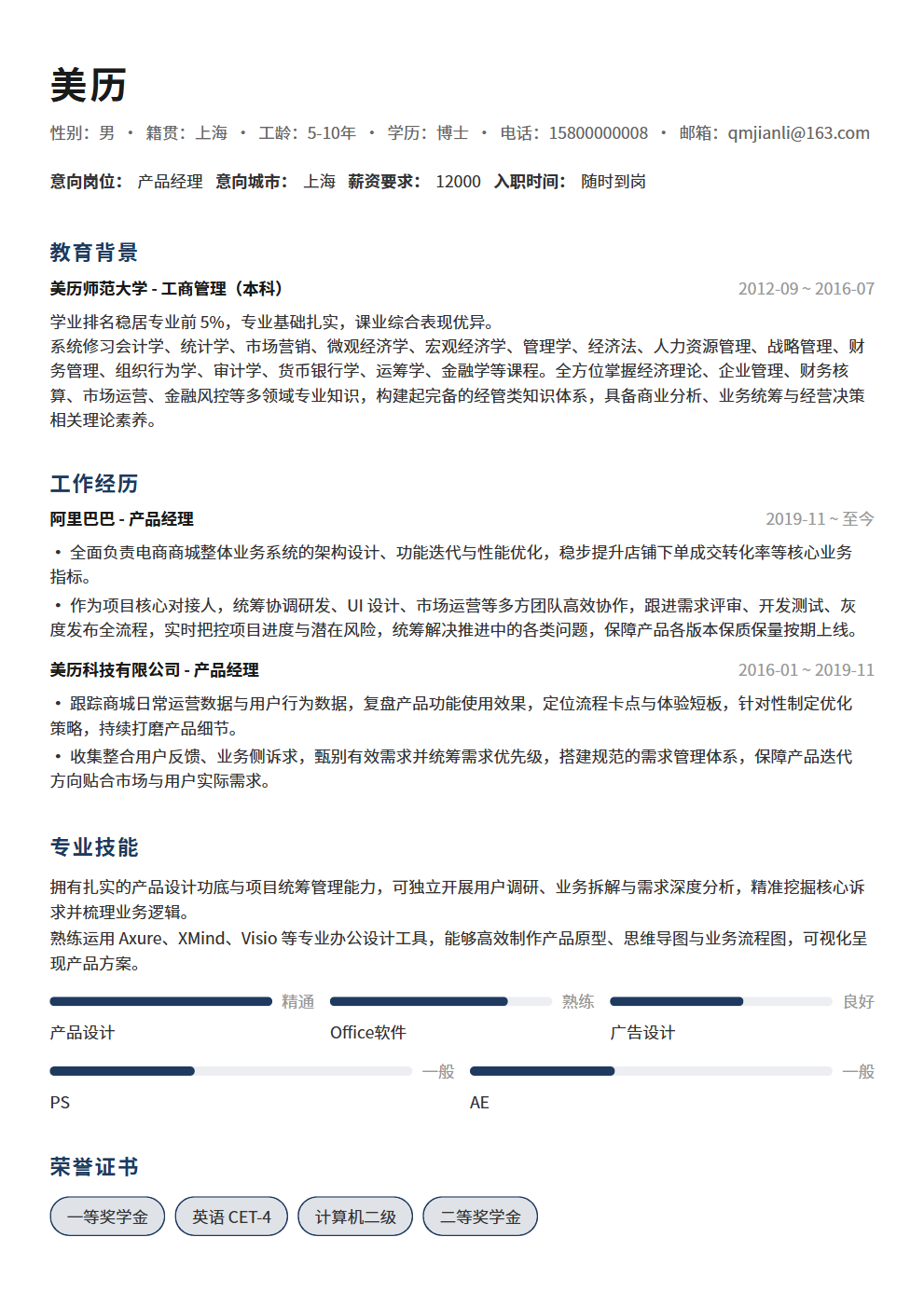
- How to write it on your resume: Don't just write "managed a 5-person team." Write "led a 5-person team to complete XX project, improving efficiency by 30%, and developed 2 core members for promotion." A manager's value isn't "how many people you manage" but "what results the team achieved because of you"
The management route suits those who are good communicators, take responsibility seriously, and find satisfaction in team outcomes over individual achievements. If "leading others feels more rewarding than doing the work yourself," this might be your path.
Path 2: The Specialist Route — Become the Top 10% in a Niche
Not everyone is suited for management, and not everyone needs to be. The specialist route is an underrated transition path — becoming the top 10% in a specific niche gives you value equal to any manager, without being limited by team size. The biggest advantage at 35 is accumulated experience, and the specialist route transforms that experience into irreplaceable professional value.
- Core of the specialist route: Not "knowing a little about everything" but "being exceptionally strong in one area." Not "can do data analysis" but "specializes in Python-based financial risk modeling"; not "can do product management" but "excels at B2B SaaS product 0-to-1 builds"
- How to choose your niche: Find the intersection of "what you're best at" and "what the market needs most" from your work experience. List the most fulfilling projects from the past 5 years and identify commonalities — that common thread is your specialist positioning
- A specialist's moat: Depth (unique insights in a niche), cross-disciplinary thinking (fusing knowledge from different fields for innovation), output (building industry recognition through articles, talks, and consulting). All three are essential
- How to write it on your resume: Don't write "5 years of XX experience." Write "completed XX landmark projects in XX field, developed XX methodology, featured in XX industry media / invited to speak at XX conference." A specialist's value isn't "how long you've done it" but "what unique contributions you've made"
The specialist route suits those who love deep exploration, enjoy deep thinking, and aren't good at or interested in managing people. If "solving a technical puzzle feels more satisfying than sitting through a day of meetings," this might be your path.
Path 3: The Entrepreneurship Route — Turn Career Accumulation Into Your Own Business
Starting a business at 35 isn't impulsive — it's a natural progression. You have industry experience, professional networks, and financial resources, giving you much better odds than someone starting in their 20s. But entrepreneurship isn't simply "quit and start a company." It requires preparation while you're still employed.
- Core of entrepreneurship: Find a market you "understand well" that has "real pain points," and use your experience and resources to solve them. The most successful entrepreneurs typically start businesses in industries they know, not by chasing trends in unfamiliar territories
- Entrepreneurship directions suited for 35+: Industry consulting (selling your industry expertise to companies that need it), training and education (turning your professional skills into courses), technical services (turning your technical capabilities into products), supply chain integration (leveraging your network and resources as an intermediary). These are all low-risk, low-investment directions
- How to start: Don't quit your job to start a business! Validate your business model in your spare time first — find your first 3 paying customers and prove people will pay for your service or product. With validation results, going full-time becomes much less risky
- How to write it on your resume (if you decide to return to employment): Entrepreneurial experience isn't a negative — the key is how you frame it. Don't write "failed startup." Write "independently operated XX project, served XX clients, generated XX revenue, decided to return to corporate due to XX reason." Be honest but highlight your initiative and results
The entrepreneurship route suits those with strong self-direction, tolerance for uncertainty, and resource-integration skills. If "working for yourself beats working for someone else," this might be your path.
3 Keys to Resume Revamp for 35+ Professionals
Regardless of which transition path you choose, you need a resume that tells your "age 35 story" well. Writing a resume at 35+ is fundamentally different from writing one at 25 — at 25, you sell potential; at 35, you sell results. Here are three key revamp strategies.
- Key 1: Shift from "responsibility descriptions" to "quantified results." A 25-year-old's resume says "responsible for XX work." A 35-year-old's resume says "led XX project, achieved XX results, impacted XX business metrics." Every experience needs numerical support — revenue growth, efficiency improvements, cost reductions, team development. Without numbers, an experience on a 35+ resume is just filler
- Key 2: Highlight "irreplaceability" rather than "general skills." Writing "proficient in Office" or "strong communication skills" at 35 tells HR "I'm no different from a fresh graduate." You should write things only someone with 10+ years of experience could do — "independently built XX business from 0 to 1 in XX industry," "developed XX methodology and rolled it out company-wide," "handled XX-level crisis events"
- Key 3: Use a "transition narrative" to connect your career experiences. The worst thing for a 35+ resume is looking like you've been "all over the place." You need a main thread connecting all experiences — such as "the growth path from executor to manager to industry expert," or "10 years of continuous deep work in XX field, progressing from entry-level to core backbone." A transition narrative shows HR your career has logic, not random job-hopping
The core of resume revamp: make HR see your age as an asset, not a liability. Ten years of experience means you've seen more problems, solved more challenges, and accumulated more resources — that's what makes 35+ professionals most valuable.
How to Respond to Age-Related Questions in Interviews
Once your resume passes the initial screening, you'll likely face age-related questions in interviews. How you respond directly impacts your interview outcome.
- When asked "How do you view your age?": Don't dodge it, and don't self-deprecate. Respond directly — "My age means I have richer experience and more mature judgment. Over the past X years, I've handled XX types of problems, and this experience allows me to identify risks faster and solve problems more effectively"
- When asked "Do you think you can keep up energy-wise?": Let facts speak — "I run three times a week and have great energy. Work efficiency isn't about overtime hours — it's about experience and methodology. I can make better decisions in less time, which is precisely the advantage experience brings"
- When asked "Won't your salary expectations be too high?": Shift the conversation from age to value — "Salary should match the value created, not be tied to age. Based on the XX results I can deliver, I believe this salary is reasonable"
- When it's implied "The team is quite young": Show your unique value — "A young team has energy, and I can complement that with experience and methodology. For example, in the XX project, I helped younger colleagues avoid XX pitfalls, saving XX time"
The core principle for responding to age questions in interviews: don't dodge, don't self-deprecate, don't diminish yourself. Transform age into an advantage of experience and maturity. Your confidence is the best response.
Conclusion: 35 Isn't the End — It's a New Starting Point
The essence of the age 35 career crisis isn't about age — it's about stalled growth. The management route transforms you from executor to leader, the specialist route builds irreplaceability in a niche, and the entrepreneurship route turns your accumulation into your own business. Among three paths, one will suit you. And regardless of which path you take, resume revamp is the first step: shift from responsibility descriptions to quantified results, from general skills to irreplaceability, and use a transition narrative to connect your career story. Age 35 isn't the end of your career — it's the starting point for redefining your professional direction. Don't let age anxiety hold you back. Your experience, your accumulation, and your judgment are the best gifts your 25-year-old self could have given you.
Ready to start your age 35 transition? The first step is making your resume tell your story well. Use BeautyResume to create a professional resume that highlights your results and irreplaceability — show HR that your age isn't a liability, but your most valuable asset.