How to Leave a Job Gracefully? 5 Steps to Depart Without Regrets or Enemies
Leaving a job is an art — 5 steps for a graceful departure (communicate early, hand over thoroughly, stay professional, thank colleagues, maintain relationships), with a resignation letter template and 3 things you should never do, helping you leave cleanly without burning bridges.
The moment you decide to resign, you're probably torn — excited about the new beginning but worried about leaving a bad impression. Some people argue with their boss on the way out, some leave without saying goodbye, and some vent all their frustrations before departing... These approaches might feel "satisfying" in the moment, but they're actually digging holes for yourself. The professional world is much smaller than you think — today's colleague could be tomorrow's interviewer, and today's boss could be a future business partner. Leaving a job is actually an art.
Leaving a Job Is an Art
Many people think resigning is just saying "I quit" and sending an email. But leaving a job is far more than that — how you leave determines your final impression at the company and affects your reputation in the industry. A graceful departure isn't about "swallowing your pride" — it's about protecting your interests while respecting others and following the rules. A good departure means leaving cleanly, gracefully, and without lingering concerns.
The core principles of a graceful departure are: professionalism, gratitude, and altruism. Professionalism means following processes and rules. Gratitude means acknowledging the value of the experience. Altruism means making it easy for your successor to take over. Achieve these three things, and even if you had disagreements with the company, you can leave with dignity.
Step 1: Communicate Early — Give Both Sides Buffer Time
The first step in resigning isn't writing a resignation letter — it's having a face-to-face conversation with your direct supervisor. Early communication shows respect for your leader and gives both sides buffer time. Suddenly dropping a resignation letter only makes the situation awkward and adversarial.
- Timing: Once you've decided to leave, communicate with your leader as soon as possible. Don't tell colleagues first, don't update your social media first — your leader finding out from someone else is the worst possible start
- Method: Schedule a one-on-one meeting, face-to-face or via video call. Don't use WeChat, don't use email, don't bring it up in public. Face-to-face communication shows respect and gives both sides room for discussion
- Content: Express your resignation intention and expected departure date clearly and concisely. Explain your reason (you can be vague, like "personal career planning adjustment" — no need for detailed explanations). Express gratitude and willingness to help with the transition
- Handling counteroffers: Your leader might try to retain you — with a raise, promotion, or role change. If you've already decided to leave, decline politely but firmly. If you haven't fully decided, give yourself 3 days to consider, but don't delay indefinitely
- Real case: Xiao Chen communicated his resignation two weeks in advance. His leader was disappointed but understanding, giving ample time for handover. When leaving, the leader even wrote a recommendation letter proactively. Another colleague submitted a resignation letter suddenly — the leader was caught off guard, the handover was very unpleasant, and when they met again at an industry gathering, it was extremely awkward
Step 2: Hand Over Thoroughly — Enable Your Successor to Continue Smoothly
Handover is the most important part of the resignation process and the key to demonstrating your professionalism. A good handover not only makes your successor grateful but also shows your leader your professional attitude. When the handover is done well, your final impression at the company is "reliable."
- Handover document: Prepare a detailed handover document including: work content overview, ongoing projects and progress, pending items and deadlines, key contacts and contact information, commonly used tools and accounts, notes and experience summaries. The more detailed the document, the easier it is for your successor to get up to speed
- Handover meeting: Hold a formal handover meeting with your successor, going through the handover document item by item to ensure they understand each matter. After the meeting, send the document via email for confirmation, creating a written record
- File organization: Organize all work files by logical categories with clear naming, and place them on shared drives or designated locations. Don't leave a bunch of files named "Final Version," "Final Version 2," "Final Final Version" — your successor will be overwhelmed
- Knowledge transfer: Some work experience is "tacit knowledge" — not in documents but in your head. Pass this knowledge verbally to your successor, like "This client prefers what style," "Watch out for this issue with that supplier," "There's a hidden pitfall in this process" — this information is often more valuable than documents to the person taking over
- Real case: When Xiao Lin left, she prepared a 50-page handover document that even included details like "The client calls every Wednesday afternoon to push for progress." Her successor Xiao Zhou said it was the most detailed handover document she'd ever seen, and later proactively recommended Xiao Lin in an industry group
Step 3: Stay Professional — Stand Your Last Watch
After submitting your resignation, many people start "coasting" — arriving late, leaving early, doing sloppy work, acting disengaged. This might seem like "getting one over," but it's actually depleting your professional credibility. Your behavior during the notice period is often more memorable than your performance while employed.
- Work attitude: Maintain the same work standards as when you were fully employed. Don't lower quality because you're leaving, don't shirk responsibility because you're leaving. Standing your last watch demonstrates professional integrity
- Emotional management: You might experience various emotions during the notice period — reluctance, anger, relief, anxiety. Whatever the emotion, maintain professionalism in the workplace. Don't complain in the office, don't badmouth the company to colleagues, don't clash with your leader
- Information security: Don't take company trade secrets, client information, or technical solutions with you. Don't disclose former company's sensitive information at your new company. This isn't just professional ethics — it's a legal requirement
- Social media: Don't rant about your former company on WeChat Moments, Weibo, or other public platforms. You never know who will see it, and you never know when these posts might resurface
Step 4: Thank Your Colleagues — Make Your Departure a Warm Farewell
Thanking colleagues when you leave isn't hypocritical courtesy — it's genuinely acknowledging the value of working together. Even if you had disagreements with some colleagues, a word of thanks when departing can dissolve much of the tension.
- How to thank: You could treat close colleagues to a meal, buy afternoon tea for the team, or write a small card for each person. No need for expensive gifts — sincere thoughtfulness matters most
- What to thank for: Specific beats general. "Thank you for teaching me how to write proposals step by step when I first joined" is warmer than "Thanks everyone." "When we were rushing that project deadline, you stayed until 2 AM helping me revise — I've always remembered that" is more touching than "Thanks for the help"
- Who to thank: Don't just thank the leader — thank peer colleagues, subordinates, even the receptionist and cleaning staff. Everyone in the workplace might intersect with you again at some future moment
- Stay connected: After leaving, proactively add colleagues on WeChat (if you haven't already) and say "Let's keep in touch." This isn't just courtesy — it's maintaining your professional network
Step 5: Maintain Relationships — Leaving Isn't the End, It's a New Beginning
Many people neglect relationship maintenance with their former company and colleagues after leaving. But the professional circle is small, and you never know when you'll intersect with former colleagues again. Maintaining good relationships isn't about pleasing people — it's professional wisdom.
- Post-departure communication: Occasionally like and comment on their social media posts, send greetings during holidays, share industry news. You don't need to be frequent, but don't go completely silent
- Don't badmouth your former company: At your new company, at industry events, in any public setting — don't speak negatively about your former employer. You can say "It wasn't the right fit for me," but don't say "That company is terrible." Badmouthing former employers only makes you look unprofessional
- Recommend former colleagues: If you see suitable positions at your new company, recommend former colleagues. This helps both the colleague and the new company, and demonstrates your character
- Possibility of returning: Good employees do return to former employers. If you left gracefully, it's entirely possible to return to your former company at a higher position and salary in the future. Many companies welcome excellent "boomerangs" because they already understand the culture and have lower adaptation costs
Resignation Letter Template: Concise, Professional, Error-Free
A resignation letter doesn't need to be long — concise, professional, and appropriate is sufficient. Here's a universal template:
- Subject: Resignation Application — [Your Name]
- Body: Dear [Leader's Name], Due to personal career planning adjustments, I have decided to formally resign effective [Date]. Thank you for the company's cultivation and trust over the past [Duration] — this experience has been invaluable. During the remaining time before my departure, I will fully cooperate with the handover process to ensure a smooth transition of all work. Thank you again, and I wish the company continued success!
- Note: A resignation letter doesn't need detailed reasons for leaving, expressions of dissatisfaction, or lengthy gratitude. Concise, appropriate, and professional is all you need
3 Things You Must Never Do: Resignation Landmines
There are certain things you absolutely must not do when leaving — once done, they could affect your career development for years.
- Never do #1: Delete and run. Deleting company files, taking client data, or sabotaging company systems — these actions are not only unethical but potentially illegal. No matter how dissatisfied you are with the company, never do these things
- Never do #2: Have a screaming match with your boss on the way out. You might think "I'm leaving anyway, might as well say everything I've been holding back," but this only damages your professional reputation. Your leader might forget your anger quickly, but your "unprofessional" label could follow you for years
- Never do #3: Poach the entire team. You can leave on your own, but don't encourage colleagues to leave with you before departing, and don't take the team to a competitor. This isn't just an ethics issue — it could trigger legal disputes
Post-Departure Relationship Maintenance: A Long-Term Investment
Post-departure relationship maintenance is a long-term investment with no short-term returns, but it can bring unexpected opportunities over time.
- Former leader: Maintain respect and contact. Your former leader's recommendation letter, industry endorsement, and network introductions could all play crucial roles in your future career development
- Former colleagues: They are your industry network. Interact regularly, share information, and recommend opportunities to each other. Many job opportunities are found not through job boards but through former colleague referrals
- Former company: Don't treat your former company as an enemy. Maintain a good relationship — there may be collaboration opportunities in the future. The industry is small, and today's competitor could be tomorrow's partner
Conclusion: A Graceful Departure Leaves the Door Open
Leaving a job isn't an ending — it's a new beginning. Communicate early to give both sides buffer time, hand over thoroughly to demonstrate professionalism, stay professional during your last watch, thank colleagues to leave warmth, and maintain relationships to pave the way for the future. Keep your resignation letter concise and appropriate, and absolutely avoid the 3 landmines. Remember: how you leave is more memorable than what you did. A graceful departure is respect for yourself and an investment in your future. The professional road is long, and every step counts.
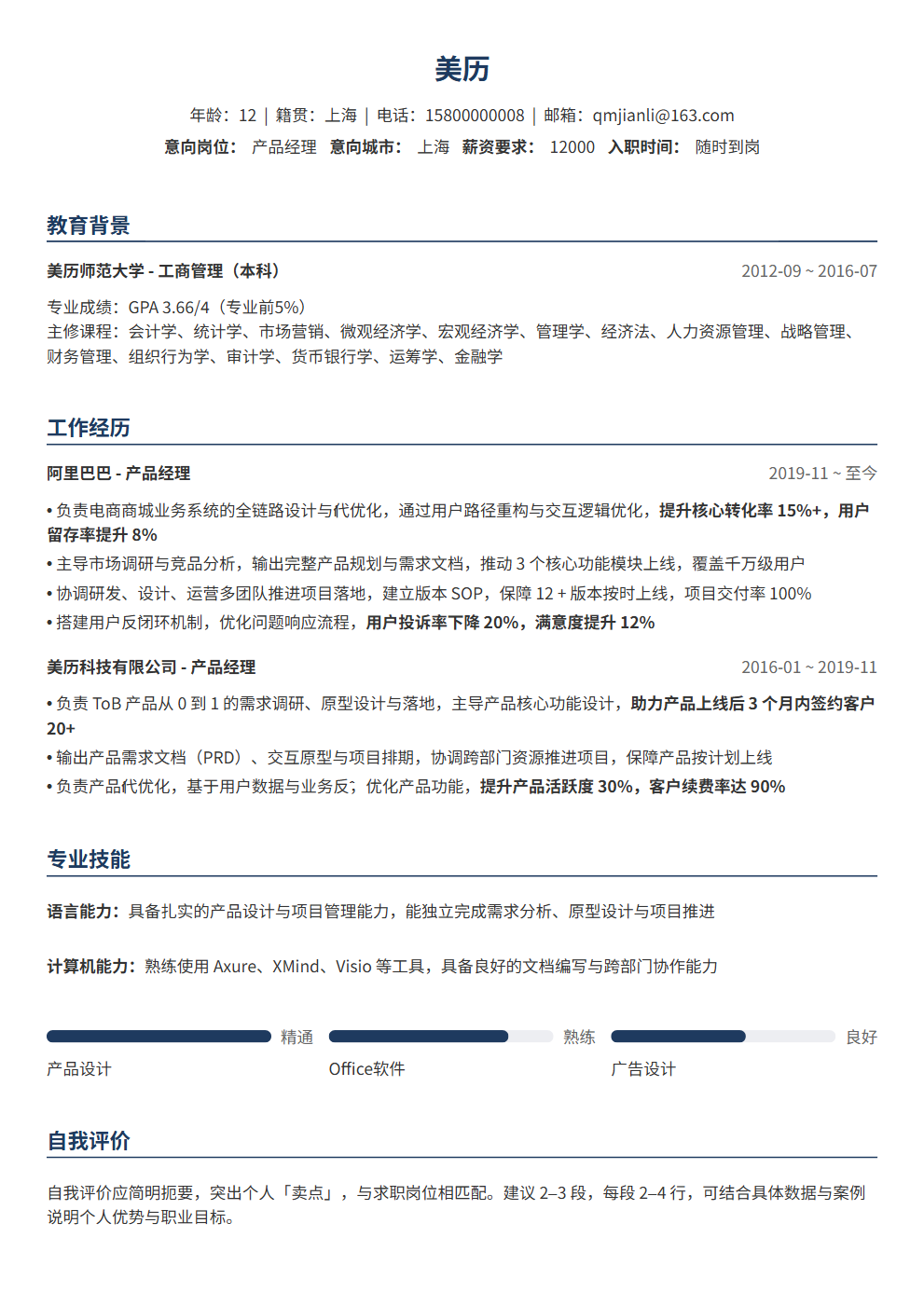
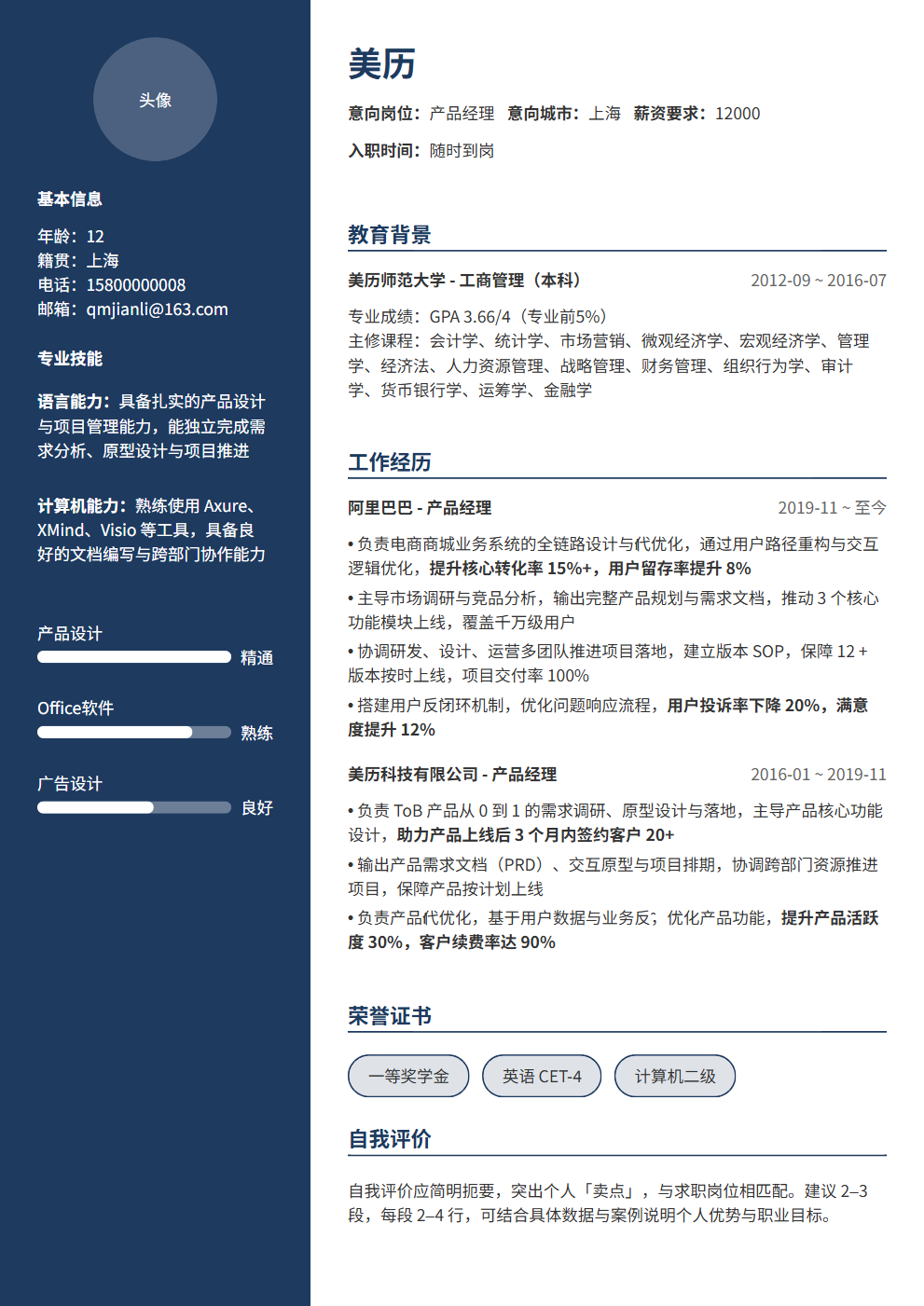
Ready to start your new career journey? Use BeautyResume to quickly create a professional resume that showcases your skills and experience at a glance — a good departure needs a good next stop, and a good next stop starts with a great resume.