How to Handle Workplace Conflicts? 4 Types, 4 Solutions — No More Fear of Confrontation
Don't know how to handle workplace conflicts? 4 types (disagreements, interest conflicts, personality clashes, blame-shifting) each with solutions, plus 3 conflict resolution principles and 3 things you should never do, helping you navigate workplace confrontations with ease.
The most frustrating thing at work isn't the work itself—it's interpersonal conflicts. You disagree with a colleague, you compete with another department for resources, you and your manager have different views on a plan—these conflicts happen every day, but most people either suffer in silence, blow up the moment they speak, or regret not handling it better afterward. Workplace conflicts aren't scary; what's scary is not knowing how to handle them. Today we'll break workplace conflicts into 4 types, with 1 solution for each, so you won't panic the next time conflict arises.
Type One: Disagreements—"I Think Plan A Is Better" "I Think Plan B Is Better"
Disagreements are the most common workplace conflict and the "healthiest" kind—everyone wants to do good work, they just have different approaches. But many people turn disagreements into debates about "who's right and who's wrong," determined to win, and end up winning the argument but losing the relationship.
- The core problem: turning "discussing a plan" into "proving I'm right." Once you start arguing to "win," you've already lost—because the other person will also enter defense mode, and both of you are defending your views rather than finding the optimal solution
- Solution: Replace "who's right" with "shared goals." Step one, confirm the shared goal: "We both want this project to succeed, right?" Step two, list the pros and cons of each approach (objectively, without emotion); step three, find a combination point or third option. For example, Plan A is fast but risky, Plan B is stable but slow—could we pilot Plan A on a small scale first, then scale up if it works?
- Script template: "I understand your idea is XX, and the advantage of that approach is XX. My consideration is XX—do you think we could combine them?"—Validate the other person first, then present your own thinking, and finally invite them to find a solution together
- Key principle: Focus on the issue, not the person. You're discussing the plan, not the other person's ability. Don't say "your plan doesn't work," say "this approach may have risks in XX areas"
- If you truly can't agree: Let data speak. A/B testing, user research, competitive analysis—use objective evidence instead of subjective judgment. If data isn't available either, let the decision-maker make the call—this isn't giving up, it's workplace protocol
The essence of disagreements is information asymmetry—you have different information, so you reach different conclusions. Resolve the information gap, and the conflict resolves itself.
Type Two: Interest Conflicts—"This Resource Should Go to Me" "No, It Should Go to Me"
Interest conflicts are the hardest type to handle in the workplace—because they involve vital interests, neither side easily compromises. Common interest conflicts include: departments competing for budget, colleagues competing for projects, teams competing for headcount. The core of interest conflicts is "zero-sum thinking"—more for you means less for me, so both sides go all out.
- The core problem: treating interest conflicts as "you die, I live" zero-sum games, ignoring potential win-win possibilities
- Solution: Replace "dividing the pie" with "growing the pie." Instead of arguing over how to split existing resources, work together to find ways to secure more resources. For example, if two departments are competing for the same designer's time, could they jointly request additional design headcount from management? Or merge the design needs of both projects to improve efficiency?
- If the pie can't grow: Use "exchange" instead of "grabbing." You give up Resource A, I give up Resource B—both sides gain something, better than one side winning everything. For example: "You get 20% more budget for this project, and I get 20% more next quarter"—short-term concession in exchange for long-term cooperation
- Script template: "I understand you need this resource too. Can we look together at whether there's a way for both sides to move forward?"—Express understanding first, then invite collaboration, and finally find a solution together
- Key principle: Don't bring up old scores in interest conflicts—"Last time on the XX project you got more resources" will only escalate tensions. Focus on the present, only discuss current resource allocation
- Worst case: If both sides truly can't agree, escalate to a shared superior for a ruling. This isn't "tattling"—it's normal workplace process; one of management's responsibilities is coordinating resource allocation
The core solution for interest conflicts is "moving from confrontation to collaboration"—you're not enemies, you're colleagues at the same company. When the company thrives, everyone thrives. Shift your perspective from "me vs. you" to "us vs. the problem," and conflicts become easier to resolve.
Type Three: Personality Clashes—"I Just Can't Stand Them"
Personality clashes are the most exhausting type of conflict—there's no specific issue to resolve, it's just "bad chemistry." You work fast and decisively, they work slowly and methodically; you prefer directness, they prefer subtlety; you're results-oriented, they're process-oriented. Personality differences aren't about right or wrong, but if poorly managed they seriously affect work efficiency and morale.
- The core problem: treating "personality differences" as "there's something wrong with them." You think they're "too slow," they think you're "too rushed"—actually neither of you is wrong, you just have different styles
- Solution: Replace "oppositional thinking" with "complementary thinking." Personality differences aren't obstacles—they're complements. You work fast but might be careless; they work slowly but are more meticulous—if you drive execution and they handle quality control, your combination is more effective than two "fast" people or two "slow" people
- Specific approach: Step one, identify your core differences (fast vs. slow pace, direct vs. indirect, results vs. process); step two, find complementary collaboration methods (you charge forward, they cover the rear; you propose plans, they find flaws); step three, establish clear communication rules (like "I speak directly, it's not personal" or "I need more time to think, I'm not dragging my feet")
- Script template: "I've noticed we have different working styles—I tend to be XX, and you tend to be XX. Can we find a way for both styles to shine?"—Acknowledge the difference, propose collaboration, rather than demanding the other person change
- Key principle: Don't try to change someone's personality. You can't, just like they can't change yours. What you can change is how you collaborate
- Bottom line: If personality clashes are seriously affecting your work performance and mental health, consider requesting a team transfer or project change. This isn't running away—it's damage control. Your physical and mental health matter more than any job
The core solution for personality clashes is "accepting differences and finding ways to collaborate." The workplace isn't a place to make friends—it's a place to work together and get things done. You don't need to like your colleagues; you just need to be able to accomplish things together.
Type Four: Blame-Shifting—"That's Not My Problem" "It's Not Mine Either"
Blame-shifting is the most infuriating workplace conflict—when something goes wrong, everyone steps back, nobody wants to step up. Worse, some people not only avoid responsibility but shift the blame onto you. The core of blame-shifting is "fear"—fear of being held accountable, fear of hurting performance reviews, fear of losing face.
- The core problem: when something goes wrong, everyone thinks "how do I avoid blame" instead of "how do I solve the problem"
- Solution: Replace "clearing yourself first" with "solving the problem first, then clarifying responsibility." Step one, fix the problem—that's the urgent priority; step two, review the root cause—was it a process issue or human error; step three, clarify responsibility and improvement measures—not for blame, but to prevent recurrence
- When someone shifts blame to you: Don't react emotionally—let facts speak. "According to the project responsibility matrix, this part is handled by XX, and I'm responsible for XX. The most important thing right now is to solve the problem; afterward we can review the process together."—Clarify facts first, then focus on the problem, then propose a review
- Script template: "The most important thing right now is solving the problem. Once it's handled, we can look together at which step went wrong and how to improve."—Shift the focus from "blame" to "resolution," lowering the other person's defensiveness
- Key principle: Don't assign blame in public. Public blame only makes the other person more defensive and evasive. Communicate privately, review publicly—accountability is private, lessons learned are public
- Prevention: For important projects, always have a clear responsibility assignment matrix (RACI)—who's Responsible, who's Accountable, who's Consulted, who's Informed—documented in black and white, so when issues arise there's evidence to reference
The core solution for blame-shifting is "turning accountability into review"—accountability doesn't solve problems, reviews do. When you shift the focus from "who was wrong" to "how to improve," conflict transforms into an opportunity for improvement.
3 Principles for Handling Conflicts
Regardless of conflict type, these 3 principles always apply. Remember them, and your conflict-handling skills will level up.
- Principle one: Handle emotions before handling problems. Nobody can communicate rationally when emotionally charged—including you. When you feel angry or wronged, give yourself 10 minutes to cool down (grab water from the break room, take a walk outside), then come back to communicate. Communicating while emotional only escalates the conflict
- Principle two: Private communication beats public confrontation. No matter how right you are, public confrontation makes the other person lose face, triggering more defensiveness and resistance. Private communication gives both sides room to save face and space for rational discussion. If private communication fails, then consider formally discussing it in a meeting—but the purpose is still solving the problem, not "public trial"
- Principle three: Focus on the future, not the past. What's happened has happened—obsessing over "why did you do that" is pointless. Focus on "what do we do next"—that's a constructive communication direction. Reviews are necessary, of course, but the purpose of review is improvement, not blame
The essence of these 3 principles is "pulling conflict from the emotional level back to the rational level." Conflict itself isn't scary—what's scary is being hijacked by emotions and doing things you'll regret.
3 Things You Must Never Do in Conflict
Some things should never be done during conflicts—doing them only makes things worse.
- Never do one: Personal attacks. "Only someone like you would think that" "I've seen your type before"—once these words leave your mouth, the conflict escalates from the "issue" level to the "personality" level, with almost no room for recovery. No matter how angry you are, never attack someone's character, ability, or motives
- Never do two: Bringing up old scores. "You did the same thing on the last project" "You've always been like this"—bringing up old scores makes the other person feel you're not solving the current problem but settling past grudges. Address only the current issue in each conflict; don't drag up ancient history
- Never do three: Taking sides and rallying allies. After a conflict, some people like to pull colleagues into their camp behind the scenes—"Don't you think they were out of line?" This behavior not only fails to solve the problem but turns a personal conflict into team division. Conflict is between two people—don't drag unrelated parties into it
The common thread among these 3 things: they all "expand the conflict" rather than "resolve it." Remember, your goal is to solve the problem, not win a war.
Conclusion: Conflicts Aren't Scary—Not Knowing How to Handle Them Is
Workplace conflicts are normal, not exceptions. Disagreements are resolved through shared goals, interest conflicts are broken through collaborative thinking, personality clashes are managed through complementary approaches, and blame-shifting is addressed by replacing accountability with reviews. Three principles—handle emotions before problems, private communication over public confrontation, focus on the future rather than the past—keep you grounded. Three things never to do—personal attacks, bringing up old scores, rallying allies—help you avoid landmines. Workplace conflicts aren't monsters—they're simply a form of workplace communication. Learning to handle conflicts means learning the most important workplace skill: finding consensus amid disagreement and creating collaboration from opposition.
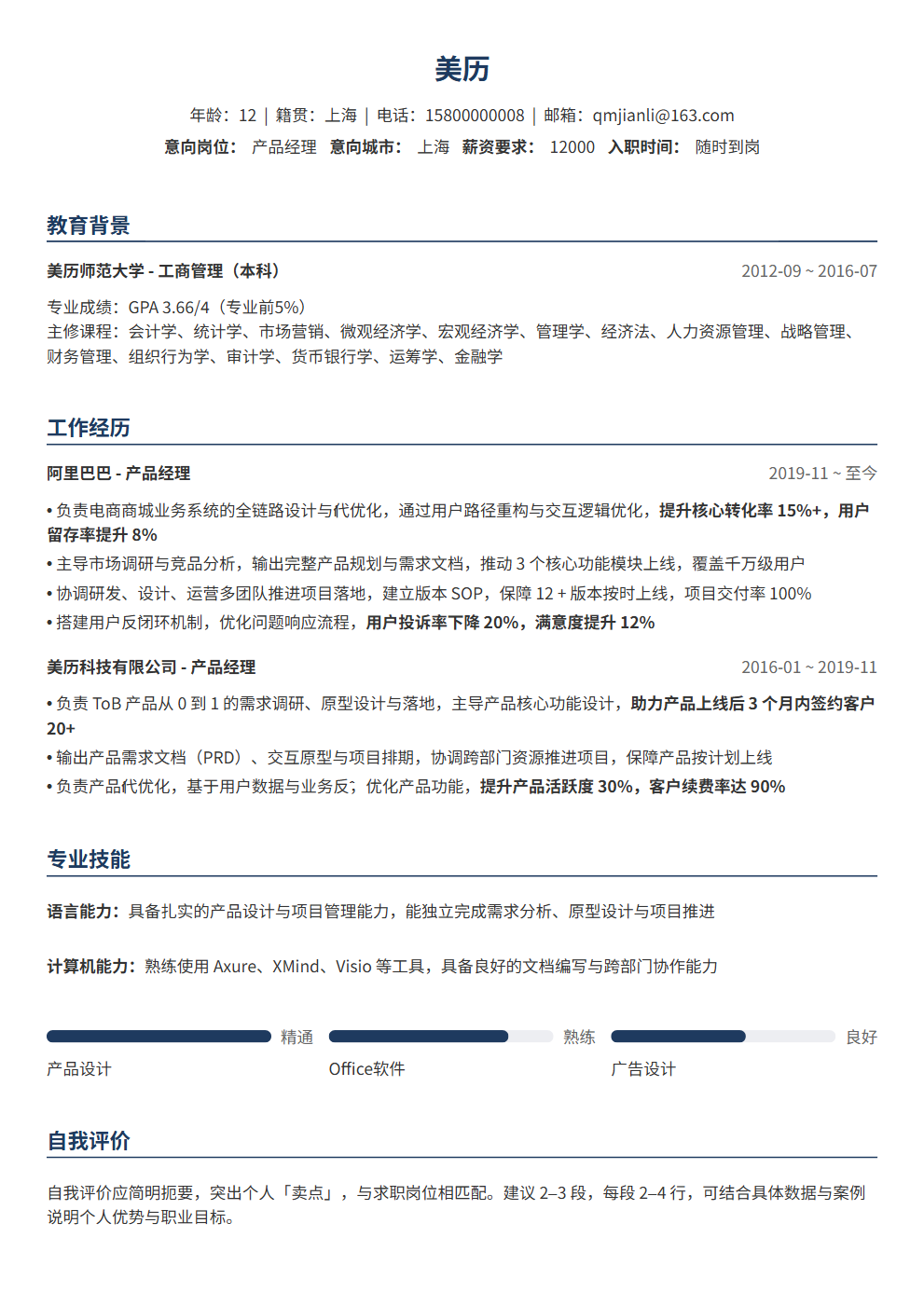
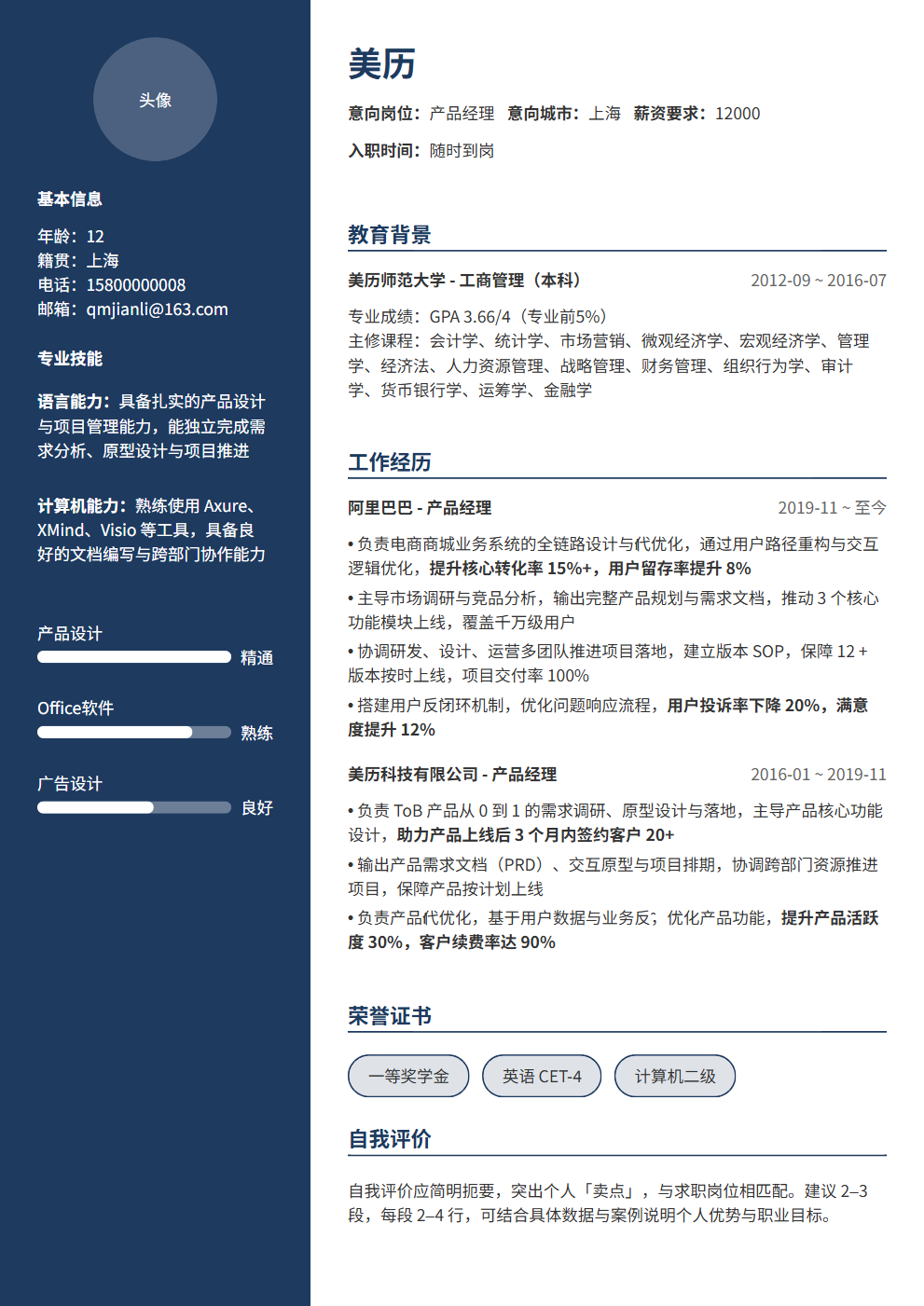
The first step in handling workplace conflicts is getting the other person to listen to you—and a professional resume is the starting point for building trust. Use BeautyResume to create a convincing resume that lets your professional image back up every communication you make.