How to Handle Unequal Pay for the Same Role? 4 Steps When You Discover a Colleague Earns More
Discovering a colleague earns more than you is a huge psychological blow. This article provides a 4-step response — calmly analyze the reasons for the gap, assess your market value, create a raise plan, and consider job-hopping if necessary — plus 3 things you absolutely must not do and how to prevent salary inversion, helping you rationally handle pay disparities and fight for fair compensation.
Accidentally discovering that a colleague in the same role earns more than you — the psychological impact of that moment can hit harder than being criticized by your boss or failing a project. You'll feel angry, wronged, and full of self-doubt: "What am I worse at?" "Why do they deserve more?" "Does the company not value me?" These emotions are all normal, but if you let them drive your decisions, you'll likely regret the outcome. After discovering a pay gap, what you need is rational analysis, not emotional venting.
The Psychological Impact of Discovering a Colleague Earns More
First, acknowledge a fact: salary is the most sensitive topic in the workplace. Discovering a colleague earns more is a blow to anyone. It's not just about "less money" — it's the feeling of "my value being denied."
- Anger: "I work harder than them, why do they get more?" — This is the most direct reaction, but also the most useless. Anger won't get you a raise; it'll only lead to impulsive, wrong decisions
- Feeling wronged: "Does the company not value me?" — Equating pay differences with "not being valued" is the most common psychological trap. There are many reasons for pay gaps; "not being valued" is just one possibility, and may not even be the reason
- Self-doubt: "Am I really not as good as them?" — Pay differences don't equal ability differences. The reasons for unequal pay are complex; lower pay doesn't mean lesser ability
- Anxiety: "Should I quit?" — Job-hopping might be the eventual answer, but it shouldn't be your first reaction. Understand the reasons for the gap first, then decide your next move
These emotions are all normal, but you need to give yourself a 24-48 hour cooling-off period. During this time, don't confront your boss, don't confront your colleague, don't vent on social media — calm down first, then follow these 4 steps to respond rationally.
Step 1: Calmly Analyze the Reasons for the Gap — Figure Out "Why" First
The reasons for unequal pay are very complex — it's not simply "the company is unfair" or "the boss plays favorites." Before taking any action, you need to understand why the gap exists.
- Tenure differences: The most common reason. Someone who joined 3 years ago may earn 20%-30% less than someone joining now, because market salary levels have risen. This is called "salary inversion" — new employees earning more than veterans
- Negotiation ability differences: Salary negotiation outcomes at hiring differ. For the same role, one person may have negotiated to the top of the range while another accepted the bottom. The gap may have existed since day one
- Education/background differences: Some companies (especially big tech) set starting salaries based on education and previous employer background. A master's from a top university vs. a bachelor's from a regular school, or someone from a FAANG company vs. a small startup — starting salary may differ by 20%-40%
- Skill/experience differences: Even with the same job title, specific skills and experience may differ. For example, both are product managers, but one has 0-to-1 project experience while the other only has iteration experience — the pay difference is justified
- Performance differences: Same role, different performance — naturally different pay. If the other person genuinely produces more and contributes more, the gap is reasonable
- Market timing differences: They may have joined recently during a hot market. You joined 2 years ago when the market was cooler — this isn't unfairness, it's timing
- Special circumstances: The other person may have scarce skills, special resources, or joined when the company urgently needed someone — these special factors can cause salary premiums
When analyzing the reasons, try to be objective. Don't ignore the other person's strengths due to emotion, and don't magnify your own weaknesses due to insecurity. Understanding "why" determines "what to do next."
Step 2: Assess Your Market Value — Know What You're Worth
After analyzing the gap reasons, you need to assess your market value — not compared to your colleague, but compared to the market. If your salary is below market rate, the gap is unreasonable; if your salary is already at or near market rate, the gap may be justified (the other person may be overpaid).
- Market salary research: Use Liepin, Boss Zhipin, Lagou and other platforms to understand salary ranges for the same role in the same city. Focus on the median and 25th-75th percentile, not just the maximum
- Headhunter consultation: Contact 2-3 headhunters to understand the market rate for your current background. Headhunter data is most accurate because they do salary matching every day
- Peer benchmarking: Learn actual salaries for the same role and level through industry communities and alumni groups. Collect at least 5+ data points
- Skill premium assessment: Evaluate whether you have scarce skills that could command a salary premium. If you have scarce skills the other person lacks, your market value may actually be higher — the company just hasn't compensated you accordingly
- Comprehensive assessment: Combine market salary, personal skills, and experience level to determine your "market price." If your salary is more than 10% below market rate, you have solid grounds to request a raise
When assessing market value, be realistic. Don't overestimate yourself ("I think I'm worth 30K" when the market is 20K) and don't underestimate yourself ("I'm probably worth 15K" when the market is actually 22K). Market rate is the most objective benchmark.
Step 3: Create a Raise Plan — Fight for Fair Compensation with Facts and Data
If your assessment shows your salary is indeed low, the next step is creating a raise plan. A raise isn't "I heard XX earns more than me, I want more too" — it's "Based on my performance and market value, my salary should be adjusted to [X] level."
- Prepare performance data: Quantify your work achievements over the past 6-12 months, including project outcomes, efficiency improvements, innovation contributions, and team collaboration. Speak with numbers, not feelings
- Prepare market data: Compile salary ranges for the same role and the gap between your current salary and market rate. This is the objective basis for a raise
- Define your raise request: Clearly state your expected raise percentage and adjusted salary level. Set three tiers — ideal, acceptable, and minimum
- Choose negotiation timing: Refer to annual review windows, performance evaluation periods, or after project completion. Don't negotiate when the boss is busy or in a bad mood
- Prepare negotiation scripts: "Boss, I'd like to discuss a salary adjustment. Over the past six months, I completed [Project] and achieved [results]. Based on my research, the market salary for the same role is in the [range], and there's a gap with my current salary. I hope the company can adjust my salary based on my performance contribution and market levels."
- Never mention your colleague's salary: During negotiation, never say "I heard XX earns more than me" — this makes you look unprofessional and could get the colleague who shared salary info in trouble. Speak with market data and performance data, not colleague salary comparisons
The core of a raise plan: well-reasoned, confident but respectful, focused on the issue not the person. You're not "seeking justice" — you're "fighting for fair compensation."
Step 4: Consider Job-Hopping If Necessary — If Internal Solutions Fail, Seek External Ones
If the raise negotiation fails, or the company clearly states that salary adjustment isn't possible in the near term, you may need to consider job-hopping. Leaving isn't running away — it's finding a fairer compensation environment.
- When to consider leaving: Raise negotiation rejected with no clear timeline, rigid salary system that can't adjust, your salary is 20%+ below market rate with no improvement signs, company culture doesn't value pay equity
- Preparation before leaving: Get a new offer before resigning — don't quit without a job. The new offer's salary should at least meet your market rate, ideally with a 20%+ increase
- Don't use "my colleague earns more" as your reason for leaving: Your reason should be "seeking better career development opportunities," not "dissatisfied with salary." The former sounds positive and forward-looking; the latter sounds negative and complaining
- Salary negotiation when job-hopping: Use market rate and multiple offers as leverage, not "my previous employer paid poorly." New companies don't care what your last employer paid — they care what you're worth
- Job-hopping isn't the only option: If the company is generally good with strong growth prospects and the salary is only temporarily low, consider staying, continuing to build your track record, and negotiating again at the next review window. Job-hopping has costs (adaptation period, rebuilding networks, possible title downgrade) — not every pay gap justifies leaving
Job-hopping is the "last resort" — try internal solutions first. If they truly don't work, then consider external opportunities. But whatever you do, don't slack off because of the pay gap — that only hurts your own career development.
3 Things You Absolutely Must Not Do
After discovering a pay gap, there are 3 things you absolutely must not do. Doing them won't solve the problem — they'll only make things worse.
- Don't #1: Confront your colleague. "How come you earn more than me?" — This makes you look unprofessional, damages the colleague relationship, and more importantly, many companies have salary confidentiality policies. Discussing salaries may violate company rules and even become grounds for termination
- Don't #2: Confront your boss demanding an explanation. "Why does XX earn more than me?" — This makes the boss think you're immature and unprofessional. Plus, the boss likely won't tell you the specific reasons (salary confidentiality), only making you more anxious. The right approach is to negotiate a raise using market data and performance data, not "seeking justice" based on a colleague's salary
- Don't #3: Slack off at work. "If the pay is low, I'll do less." — This is the stupidest move. Slacking off only makes your performance worse, giving you even less grounds for a raise next time, and no good project experience to write about when job-hopping. Pay gaps are temporary; professional reputation is long-term — don't ruin your long-term career for short-term emotions
These 3 things share a common trait: they're all emotion-driven, they all make things worse, and they all fail to address the root problem. After discovering a pay gap, you need rational analysis and proactive action, not emotional venting and passive resistance.
How to Prevent Salary Inversion
Salary inversion (new employees earning more than veterans) is the most common form of pay inequity in the workplace. While you can't completely avoid it, you can take steps to reduce the risk of being on the wrong end.
- Negotiate well at hiring: Don't easily accept a low offer. If the salary seems low, either negotiate it up or don't accept. Your starting salary base determines the starting point for future raises — a lower base means lower absolute increases even with the same percentage
- Stay informed about market rates: Do market salary research every 6 months to understand the salary range for your role. If you find your salary has fallen below market rate, talk to your boss promptly
- Proactively pursue annual raises: Don't wait for the company to notify you — proactively negotiate during the review window. See Article 227's 4-step preparation method
- Continuously upgrade skills: Scarce skills are the biggest source of salary premiums. Learn a new skill every 1-2 years to maintain your market competitiveness
- Stay alert to external opportunities: Even if you're not planning to leave, maintain contact with headhunters and periodically check external opportunities. People with external options have more leverage in internal negotiations
The core of preventing salary inversion: actively manage your own salary rather than passively accepting the company's arrangements. Your salary is the most direct reflection of your professional value — if you don't fight for it, no one else will.
Conclusion: Pay Gaps Aren't Scary — What's Scary Is Replacing Action with Emotion
Discovering a colleague earns more is a psychological shock, but emotions won't solve the problem. Calmly analyzing the gap reasons helps you understand "why"; assessing your market value tells you "what you're worth"; creating a raise plan lets you fight for fair compensation with facts and data; considering job-hopping when necessary gives you an external path when internal solutions fail. Meanwhile, the 3 things you absolutely must not do — no confronting, no demanding explanations, no slacking off — help you avoid making things worse. Pay gaps are a workplace reality, not your fault, but how you respond is your choice. Replace emotion with reason, and complaint with action — that's the right way to handle pay disparities.
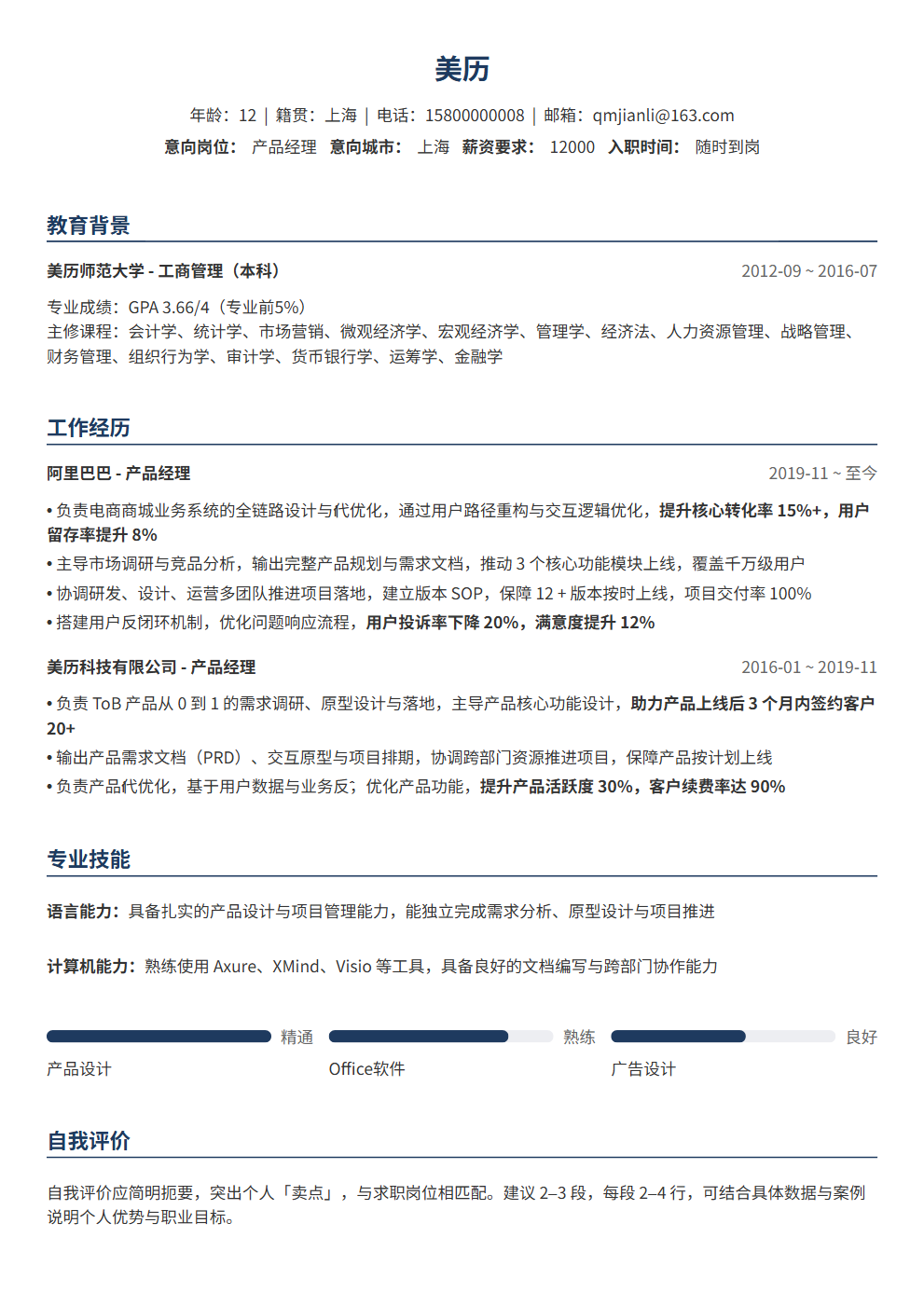
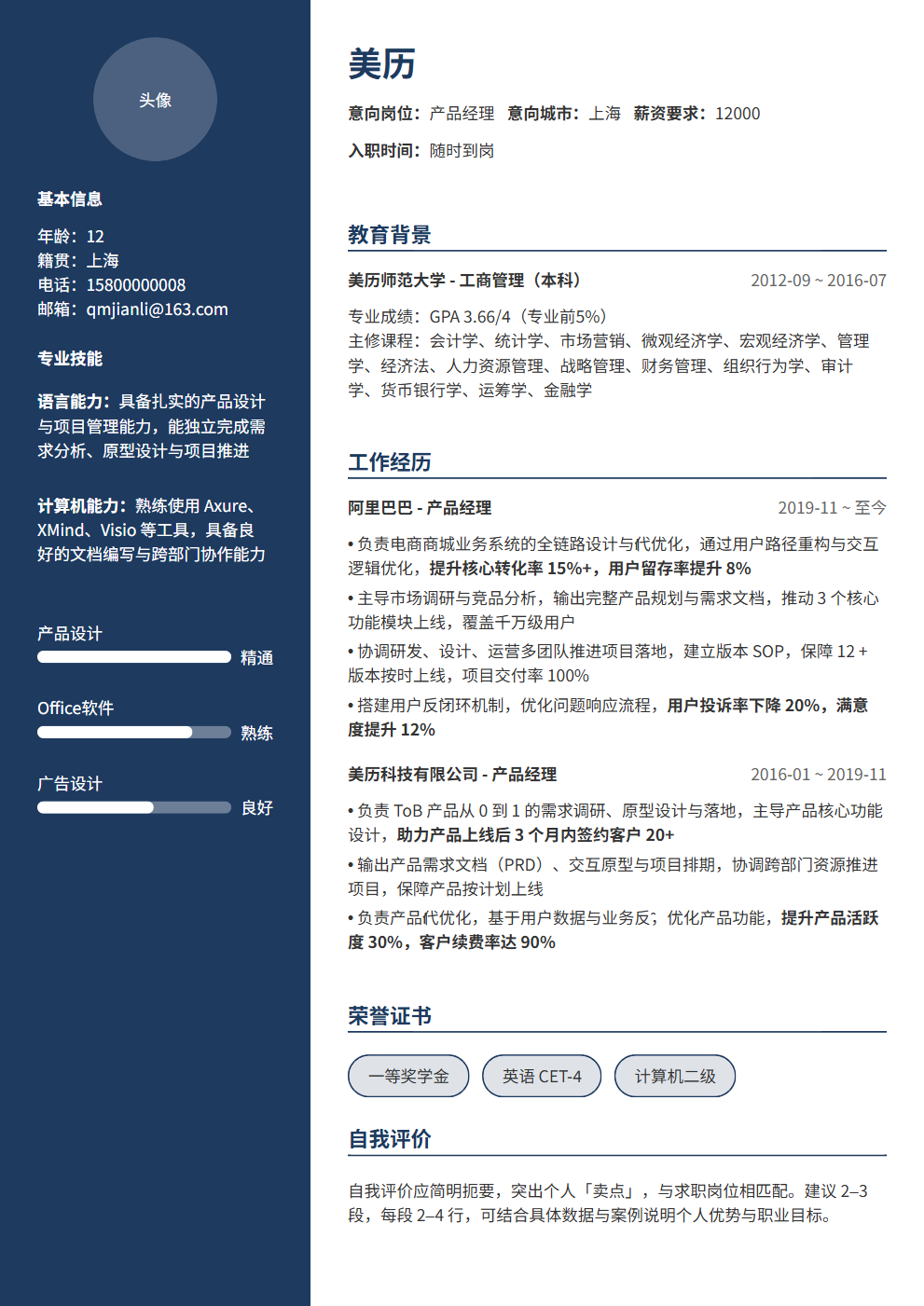
Thinking about job-hopping after discovering a pay gap? The first step is preparing a resume that reflects your true value. Use BeautyResume's resume editor to precisely showcase your skills, achievements, and market value — make your resume worthy of the salary you deserve.