How to Explain Resume Gaps: 3 Strategies That Stop HR from Asking Follow-Up Questions
Have a gap of months or even a year on your resume? Learn 3 professional strategies to turn your employment gap from a liability into an asset.
1. Why Does HR Care About Employment Gaps?
Many job seekers fear questions about employment gaps, but first understand HR's real concern: they don't care how long you rested — they care whether your skills have degraded and whether your career plan is clear. Someone who took a proactive gap year for education and someone who was unemployed for six months because they couldn't find work receive completely different evaluations from HR.
So the core logic for explaining gaps: prove you weren't "killing time" but were "doing something valuable".
More importantly, HR cares about gaps for another implicit reason: your stability. If gaps resulted from frequent job-hopping, HR may worry you'll leave the next job quickly too. So when explaining gaps, you must not only describe what you did during that time but also indirectly demonstrate that you're seriously considering the next role — not just looking for a transitional position.
2. Three Professional Script Templates
Script 1: Education & Development
Best for: Certification, graduate studies, online courses, skills training
Example: "During this period, I focused on completing my PMP certification while systematically studying data analysis courses, building a solid knowledge foundation for the next phase of my career."
Usage tip: It's best to mention specific learning outcomes — what certificate you earned, what project you completed, what new skill you mastered. Simply saying "I was studying" lacks persuasiveness.
Script 2: Projects & Freelance
Best for: Freelance work, personal projects, part-time consulting
Example: "After leaving my previous role, I took on two independent consulting projects helping SMEs optimize their supply chain processes. This experience deepened my understanding of business operations."
Usage tip: Describe freelance experience like formal employment — with clients, deliverables, and results. Don't say "did some scattered projects" — be specific about project names, clients served, and output produced.
Script 3: Family & Health
Best for: Caregiving, health recovery, parental leave
Example: "I needed to take time to care for a family member. The situation is now stable, and I'm fully prepared to return to work." — Be honest but concise; no excessive details needed.
Usage tip: These reasons don't require detailed explanation, and HR won't probe excessively. The key is expressing "the situation is resolved and I'm ready to return," giving HR confidence.
3. How to Handle Gaps on Your Resume
Your resume approach depends on the gap length:
- Under 3 months: No special notation needed; HR rarely asks
- 3-6 months: Mention briefly in your summary or cover letter
- 6+ months: Consider adding an "Independent Projects" or "Continuing Education" section to fill the gap with achievements
Key principle: Never leave a completely blank time period on your resume. Even self-study, personal projects, or volunteer work should be listed.
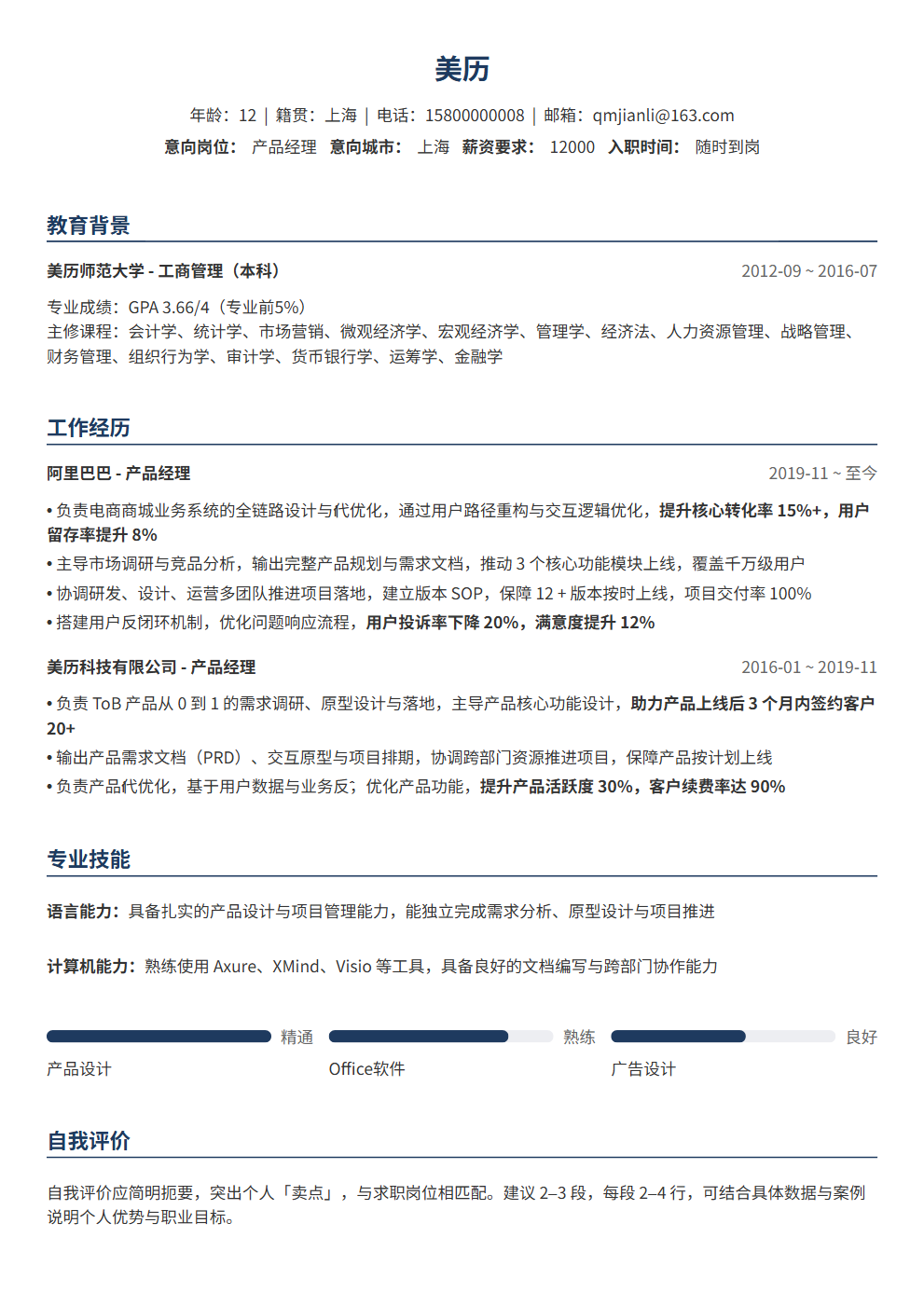
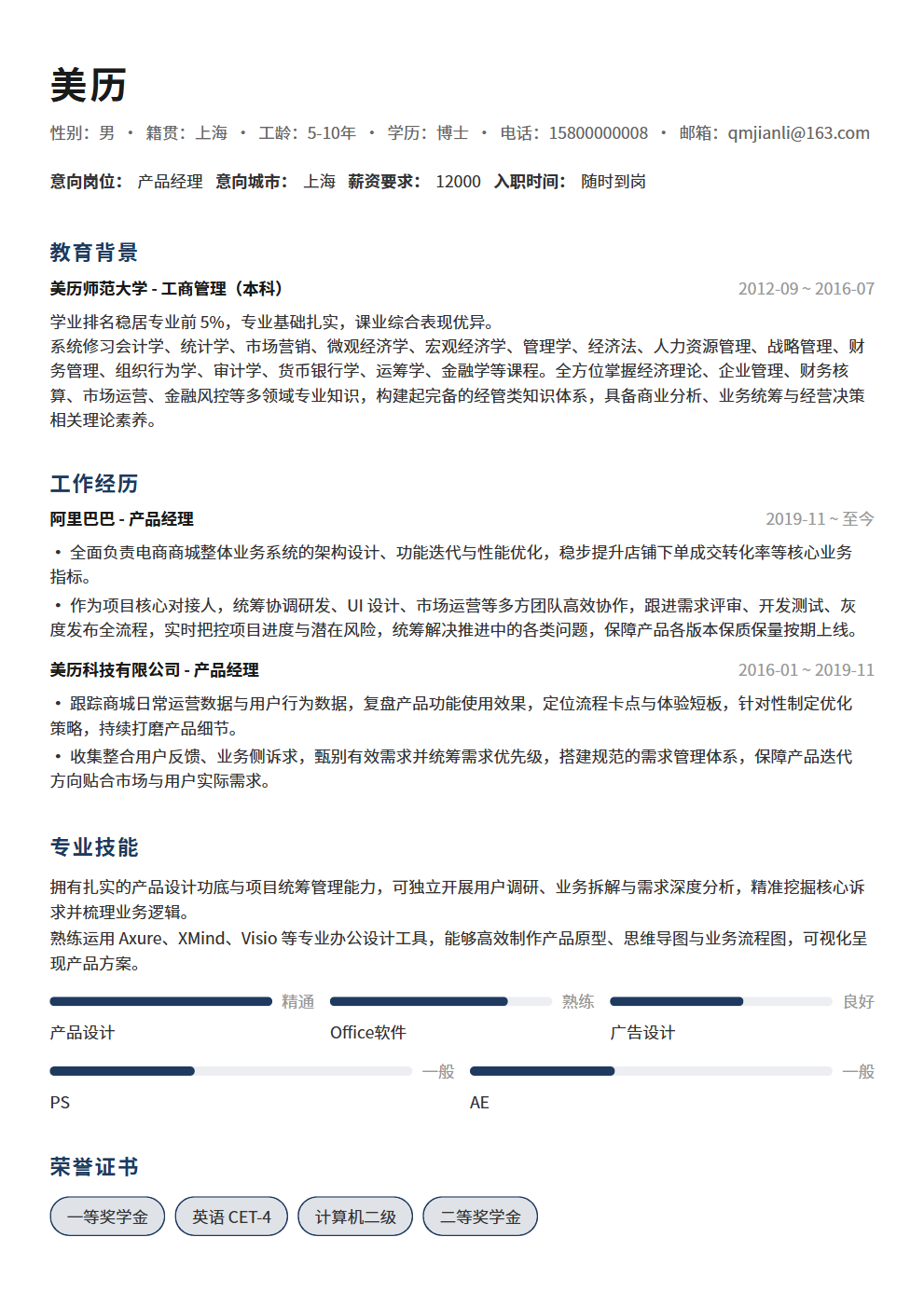
Specific method: Add an "Independent Project Experience" or "Continuing Education" section to your resume, formatted like work experience — with dates, project names, your role, and results. For example, "2023.06-2024.01: Independently developed XX mini-program, gaining 5,000+ users after launch." This transforms the gap into a productive experience.
If you truly did nothing during the gap, at least write "Career Planning & Skill Development Period" and list professional books read, online courses completed, and personal practice projects finished. While not as weighty as formal work experience, it's far better than leaving a blank.
4. Handling Follow-Up Questions in Interviews
If interviewers probe deeper about your gap, remember these principles:
- Don't over-explain: Answer briefly, then pivot to "what I want to do next" — don't let the gap dominate the interview
- Don't badmouth your former employer: Even if you were laid off, use neutral language like "company restructuring"
- Don't appear defensive: Face it calmly and speak confidently. A gap isn't a crime — being overly nervous raises suspicion
- Proactively showcase results: If you achieved learning outcomes or project deliverables during the gap, present them
The best strategy for explaining gaps in interviews is "acknowledge and pivot": briefly acknowledge the gap and its cause, then quickly shift to what you gained during that time and what you look forward to in the next role. For example: "Yes, I had a 6-month gap. During that time, I systematically studied data analysis skills and can now independently produce data reports. I'm eager to apply these new skills in a real work environment."
The cleverness of this response: it transforms a potentially negative gap into positive material showcasing your learning ability and self-motivation.
5. Long-Term Strategies to Prevent Gaps
If you're currently in a gap period, instead of waiting anxiously, take proactive action:
- Spend 2-3 days per week learning new skills — ideally earning certifications or completing portfolio pieces
- Take on 1-2 freelance projects or volunteer roles to maintain professional activity
- Update your resume and portfolio regularly to stay application-ready
- Attend industry events or online communities to maintain your network
These actions not only fill your gap but also give you more talking points in interviews.
More deeply, a gap period is actually an opportunity to re-examine your career direction. Questions you never had time to consider while employed — What do I really want to do? Which industry suits me? What's my core competitiveness? — can be thought through carefully during a gap. If you can demonstrate this depth of reflection in interviews, the gap becomes a strength rather than a weakness.
6. Strategies for Different Gap Lengths
Different gap lengths require different approaches:
1-3 months: Virtually no explanation needed. This length is seen as a normal job transition period by HR. If asked, simply say "I was looking for the right opportunity."
3-6 months: Prepare a concise explanation but don't over-elaborate. Emphasize that you weren't idle — even if you were studying, doing personal projects, or caring for family, say so.
6-12 months: Requires more thorough preparation. Consider filling the gap on your resume with an "Independent Projects" or "Continuing Education" section, and prepare specific learning outcomes or project deliverables for interviews.
12+ months: This requires the most careful handling. Consider breaking the period into different phases — the first 3 months as a rest and adjustment period, the middle 6 months as a learning and development period, and the most recent 3 months as a job search preparation period. Each phase should have a clear theme and output, showing HR you weren't aimlessly waiting.
7. Explaining Gaps Caused by Layoffs
Layoffs are what many fear most, but layoffs are very common in today's workplace. The key is how you tell the story:
- Don't say "I was laid off" — say "the company underwent business restructuring/organizational optimization, and my position was eliminated"
- Don't complain: Even if you're unhappy with how the layoff was handled, don't express resentment in interviews
- Emphasize objective reasons: Layoffs are company-level decisions, not reflections of your individual ability
- Quickly pivot to the positive: "This experience made me rethink my career direction, and I now have a clearer sense of what I want"
If the layoff involved an entire department or team, be sure to mention this — "our entire department was eliminated" is much better than "I was laid off" for showing it wasn't a personal performance issue. HR understands that corporate layoffs are normal business decisions — as long as you frame it appropriately, a layoff gap won't be fatal.
Summary
An employment gap isn't a "fatal flaw" on your resume — the key is how you explain and present it. Use the three scripts — education, projects, and honest explanation — to frame your gap as a proactive growth period. Don't leave blank time periods on your resume; fill them with projects or learning experiences. Different gap lengths require different strategies, and layoff-caused gaps should be described using neutral language. A well-structured resume keeps HR focused on your capabilities, not your gaps.