How to Build a Personal Brand as a Professional? 5 Steps to Get Noticed in Your Industry
Doing a lot but nobody in the industry knows? This article provides a 5-step method to build a personal brand (define professional positioning, choose output platforms, consistently produce professional content, participate in industry exchanges, convert influence into opportunities), plus 3 output formats and 3 precautions to help you build influence in your industry.
Have you ever felt this way: you've accomplished a lot, your skills are solid, but nobody in the industry knows who you are? At industry events, others introduce themselves with impressive titles while you can only say "I do XX at XX company"; when you see peers being interviewed by media, invited to speak, or headhunted, you think "I've done what they've done—why are they the ones getting noticed?" The gap isn't in ability—it's in visibility. Personal branding is how you get noticed. It's not self-promotion—it's letting the industry know who you are, what you excel at, and what problems you can solve. Here are 5 steps to build your personal brand within your industry.
Step 1: Define Your Professional Positioning—Who Are You? What Problems Do You Solve?
The first step in building a personal brand is "positioning"—giving the industry a memorable "tag" for you. Not a "jack of all trades" who knows everything, but a "specialist" who's the most professional in a specific area. The more precise your positioning, the clearer your brand.
- Positioning formula: I am [who], using [what method], helping [whom], solve [what problem]. Example: "I'm a product manager using data-driven methods to help B2B SaaS companies solve low user retention"—this positioning is 100x more precise than "I'm a product manager"
- Positioning principle: Small cut, deep dig. Don't try to cover an entire field—choose a niche and go deep. "B2B SaaS user retention" is more precise than "product management"; "cross-border e-commerce product selection" is more focused than "e-commerce operations." The narrower the positioning, the less competition, the easier to be remembered
- Positioning validation: Whether your positioning is effective depends on three metrics—are people searching for keywords in this direction (indicating demand), are people willing to pay for this direction (indicating value), are peers doing it but not well (indicating opportunity). If all three are satisfied, the positioning works
- Common mistake: Positioning isn't "what I want to become"—it's the intersection of "what the market needs" and "what I'm good at." Many people position themselves as "I want to be an industry leader"—that's not positioning, that's fantasy. Positioning should be based on your current abilities and experience, not future aspirations
- Positioning adjustment: Positioning isn't set in stone. As your skills grow and the industry changes, positioning can evolve. Start narrow ("B2B SaaS user retention") and broaden as your influence grows ("B2B growth strategy"). But focus on one positioning at a time—don't wear multiple tags simultaneously
Positioning is the cornerstone of personal branding—without clear positioning, all subsequent output is like buckshot that can't hit any target. Spend 1-2 weeks seriously thinking about your positioning—it's the most important investment in your entire personal brand building journey.
Step 2: Choose Output Platforms—Where Will You Be Seen?
With positioning set, the next step is choosing platforms—where will you publish content and be seen by your target audience? Different platforms have different user demographics and content vibes. Choosing the right platform doubles your results; choosing the wrong one halves them.
- WeChat Official Account: Suited for in-depth long-form articles (3,000+ words), users skew professional, reading is fragmented but deep-reading willingness is strong. Advantages: high fan loyalty, strong private-domain attributes; Disadvantages: slow follower growth, requires sustained high-quality output
- Xiaohongshu (RED): Suited for image-text content (800-1,500 words + images), users skew young female but professional content is growing fast. Advantages: friendly traffic distribution, new accounts can get exposure; Disadvantages: short content lifecycle (3-7 days), requires high-frequency output
- Zhihu: Suited for professional Q&A (1,000-3,000 words), users are rational and professional. Advantages: good long-tail traffic (quality answers continue to be searched and read), strong professional endorsement; Disadvantages: slow follower growth, community can sometimes be argumentative
- Douyin/Video Account: Suited for short videos (1-3 minutes), broadest user coverage. Advantages: high traffic ceiling, fast spread; Disadvantages: high production costs, professional content easily drowned by entertainment
- Bilibili: Suited for medium-long videos (5-15 minutes), users skew young and depth-oriented. Advantages: extremely high fan loyalty, natural soil for professional content; Disadvantages: high production costs, slow follower growth
- Selection strategy: Initially focus on just 1-2 platforms—don't try to run 5 simultaneously. Scattered effort leads to mediocrity across all. Selection criteria: where is your target audience, what content format do you excel at, how long can you sustain. Reach 10K followers on one platform before expanding
The core of platform selection is "where is your target audience"—your content is for whom, go where they are. Don't go to Douyin just because "Douyin has big traffic"—if your target audience is B2B enterprise decision-makers, Zhihu and WeChat Official Accounts may be more appropriate.
Step 3: Consistently Produce Professional Content—Prove Your Expertise Through Content
With positioning and platform set, the most critical step arrives—consistent output. Personal branding isn't "post one viral piece and you're famous"—it's "consistently produce professional content so the industry gradually recognizes you." It's like saving money—save a little every day, and over time it becomes substantial wealth.
- Output frequency: At least 2-3 pieces of content per week (articles, videos, or image-text). Frequency matters more than quality—not because quality doesn't matter, but because most people can't even maintain frequency. Secure frequency first, then improve quality
- Content topics: Mine from your daily work—what problems you recently solved, what pitfalls you hit, what new methods you learned, what judgments you have about industry trends. These are ready-made content materials that don't require extra time "finding topics"
- Content structure: Problem + Analysis + Solution—this is the most effective content structure. First pose an industry pain point ("Why is B2B SaaS user retention low?"), then analyze causes ("Because the onboarding process is too complex"), finally provide solutions ("3 steps to optimize onboarding"). This structure naturally attracts people—because everyone is looking for solutions to problems
- Content depth: Don't just write "what everyone already knows"—write "what only you know"—your practical experience, your exclusive methodology, your hard-learned lessons. This "exclusive content" is why people follow you
- Secret to consistent output: Build a content library—record daily work inspirations and materials (using phone notes, Notion, Feishu docs, etc.), set a fixed time each week to organize into content. Don't wait until you need to post to think "what should I write"—that leads to giving up because you "don't know what to write"
- Content quality standard: Each piece should give readers at least one "actionable takeaway"—a method they can directly apply, a pitfall they can avoid, a case they can reference. If readers finish your content thinking "that makes sense but I don't know how to do it," your content isn't practical enough
Consistent output is the "hard labor" of personal brand building—no shortcuts, only persistence. The first 3 months may bring only dozens of reads and a few likes, but if you consistently produce high-quality content, you'll see noticeable growth in 3-6 months. The key is not giving up during the "nobody's paying attention" phase.
Step 4: Participate in Industry Exchanges—From "Being Seen" to "Being Recognized"
Consistent output gets you "seen"; industry exchanges get you "recognized." Online output is one-directional—you publish from your side, others read from theirs. But industry exchanges are bidirectional—you communicate with peers face-to-face (or online face-to-face), building real connections. These connections are more valuable than "follower counts."
- Online exchanges: Actively participate in industry communities (don't just lurk), comment on peers' content (don't just like), join online roundtables and livestream discussions. Online exchanges have low barriers but decent results—many collaboration opportunities and referral information circulate in industry communities
- Offline exchanges: Attend industry summits and salons (at least 3-5 per year), organize small industry gatherings (invite 5-10 peers for coffee chats), proactively reach out to industry veterans for advice (prepare specific questions, don't waste their time). Offline trust-building is 10x faster than online—one face-to-face interaction is more effective than 100 online interactions
- Speaking engagements: Apply for speaking opportunities at industry events (start with small salons), give presentations within your company (practice expression skills), appear as guests on industry podcasts/livestreams. Speaking is a personal brand "accelerator"—the person on stage naturally commands authority
- Collaborative creation: Co-create content with peers (co-write articles, co-host livestreams, co-develop courses), participate in open-source projects or industry research, contribute to industry media. Collaboration not only expands your influence but also earns peer "endorsements"
- Social etiquette: Don't start by "asking for favors"—provide value first, then seek help. Proactively answer others' questions in communities, share useful resources, introduce valuable connections. When you consistently provide value to others, they'll naturally want to help you
The core of industry exchanges is "providing value"—don't approach networking with "who can I meet," but with "who can I help." When you consistently provide value to the industry, your personal brand will naturally be recognized.
Step 5: Convert Influence into Opportunities—Let Your Personal Brand Create Value for You
The ultimate goal of personal branding isn't "being seen"—it's "getting opportunities after being seen." Better jobs, higher salaries, more collaborations, greater influence. If you have 100K followers but zero opportunity conversion, your personal brand is just "empty calories."
- Opportunity types: Better job opportunities (headhunters proactively reaching out, companies actively recruiting you), stronger salary negotiation leverage (your market value is visible to all), business collaboration opportunities (brand partnerships, knowledge monetization, consulting projects), industry influence (being invited as a reviewer, interviewed by media, invited as a judge)
- Conversion strategy 1: Naturally integrate your professional services into content. Not hard-sell, but when solving specific problems, mention "I helped XX company improve XX% using this method"—let readers know you don't just "write articles" but can "solve real problems"
- Conversion strategy 2: Create "entry points" for opportunities to find you. Write your professional field and contact information in all platform bios, set up a simple "collaboration inquiry" entry (WeChat, email, form). Don't let people who want to find you "not be able to find you"
- Conversion strategy 3: Proactively screen and pursue opportunities. Don't wait for opportunities to come—proactively contact companies and projects you admire, apply for speaking opportunities at industry events, pitch articles to industry media. Personal branding gives you the "right to knock," but "entering" requires you to push the door
- Pricing strategy: When business opportunities come, how do you price? Reference market rates + your unique value. If your personal brand gives you "authority" in a specific niche, your pricing can be 30%-50% above market average. Don't undervalue yourself because you feel "uncomfortable"
Converting influence into opportunities is the "closed loop" of personal branding—without this step, the previous 4 steps are just "spending money for attention." The ultimate purpose of personal branding is to create value, not just gain attention. When you can consistently convert influence into real opportunities, your personal brand enters a "flywheel effect"—opportunities bring more exposure, exposure brings more opportunities.
3 Output Formats
Content output isn't just "writing articles"—choose the format that best suits your strengths and preferences.
- Format 1: Text and image content. Includes WeChat Official Account articles, Xiaohongshu posts, Zhihu answers, industry white papers. Suited for those who write well, think logically, and enjoy deep reflection. Advantages: low production cost, good long-tail traffic, strong professional endorsement; Disadvantages: high writing skill requirements, longer production cycles
- Format 2: Video content. Includes short videos (Douyin/Video Account), medium-long videos (Bilibili), livestream sharing. Suited for those with strong expression skills, good on-camera presence, and who enjoy real-time interaction. Advantages: strong virality, high fan loyalty, fast trust-building; Disadvantages: high production costs, requires being on camera, high expression skill requirements
- Format 3: Audio/podcast content. Includes podcast shows, audio courses, voice livestreams. Suited for those with good voice quality, who prefer conversational formats, and don't need to be on camera. Advantages: moderate production costs, strong companionship feel, suited for commute listening; Disadvantages: relatively smaller audience, less viral than video
3 Precautions
During the personal brand building process, there are 3 common pitfalls to avoid.
- Precaution 1: Don't conflict with your company's interests. If you're employed, personal brand content shouldn't leak company secrets, criticize your company or clients, or work on personal branding during company time. The best approach is making personal branding and career development mutually reinforcing—experience from work becomes personal brand material, and personal brand influence enhances your value at the company
- Precaution 2: Don't sacrifice long-term trust for short-term metrics. Don't buy followers or likes, don't use clickbait, don't plagiarize others' content, don't say things you don't believe for traffic. The core asset of personal branding is "trust"—once trust collapses, the brand is destroyed. It's better to grow slower and ensure every piece of content is authentic and valuable
- Precaution 3: Don't neglect "input." If you only output without input, your content will eventually dry up. Maintain daily industry news reading, weekly new knowledge learning, monthly deep research on one topic. The recommended input-to-output ratio is 3:1—3 hours of input for every 1 hour of output. Only with sustained input can you sustain high-quality output
Conclusion: Personal Brand Is a Professional's "Compound Interest Asset"
Personal branding isn't overnight fame—it's a "compound interest asset" built through sustained accumulation. Every piece of content you output, every industry exchange you participate in, every person you help adds bricks to your personal brand. Defining your professional positioning gives you a clear tag, choosing output platforms gets you seen by your target audience, consistently producing professional content proves your capabilities, participating in industry exchanges moves you from "being seen" to "being recognized," and converting influence into opportunities makes your personal brand create real value. Complete these 5 steps, and you'll no longer be a professional who "does a lot but nobody knows"—you'll be a professional who is "seen, recognized, and needed" in your industry. The key is to start today—begin with Step 1 positioning, then keep taking action. Personal brand building has no deadline, only a starting point.
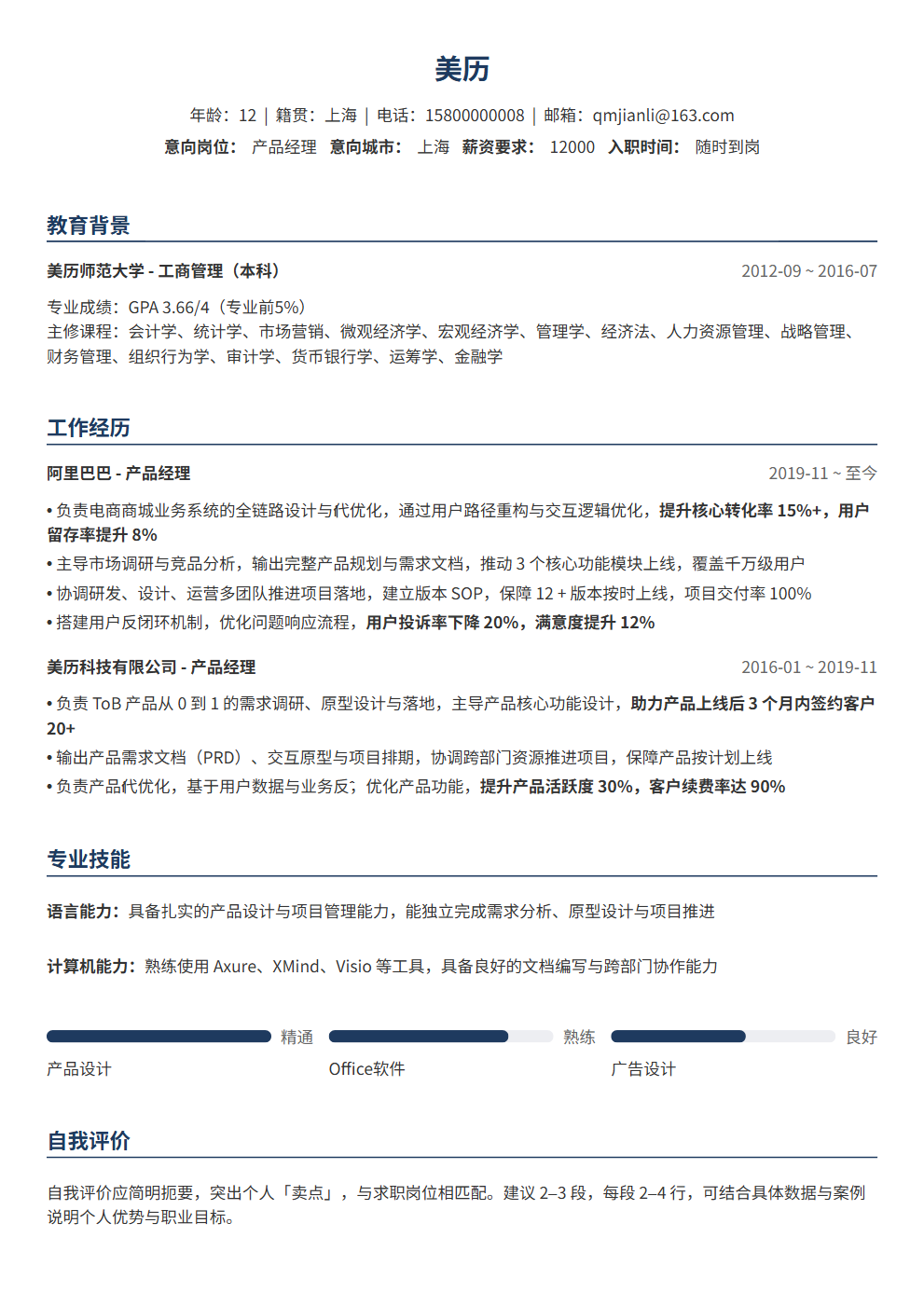
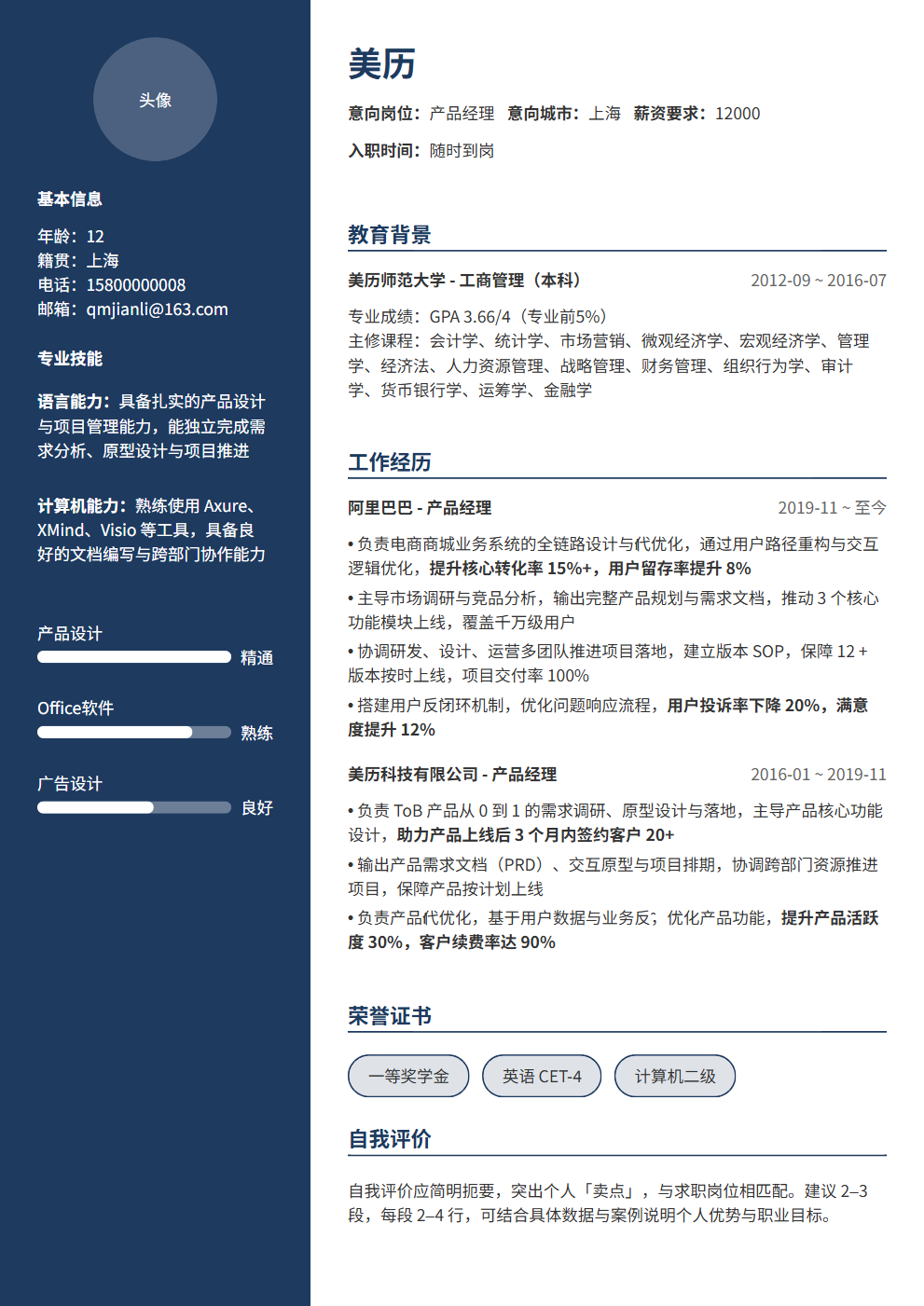
The first step in building a personal brand is letting others see your professional value. Use BeautyResume resume editor to create a professional resume that makes your skills, experience, and achievements stand out at a glance—whether for job hunting or showcasing professional capabilities, it's your first step in building a personal brand.