How New Employees Can Quickly Integrate into Teams: 6 Communication Strategies to Go from Newcomer to Core Member
Just started and don't know how to interact with colleagues? Feeling invisible? 6 communication strategies to quickly integrate: active listening, smart questioning, finding mentors, managing expectations, building relationships, and contributing early. Go from passive waiting to proactive engagement.
1. Why Some New Employees Integrate in a Month While Others Remain Outsiders for Half a Year
Every team has this contrast: among the same batch of new hires, some blend in within a month while others remain isolated after six months. The difference isn't ability — it's communication strategy. Integrating into a team isn't about waiting to be accepted; it's about proactively building connections the right way.
Many newcomers make one of two mistakes: they're either too quiet, waiting for others to approach them, or too eager, chiming in on every topic. Both extremes are counterproductive. What you need is strategic communication — knowing when to speak, what to say, and how to say it without being annoying while leaving a good impression.
2. Strategy 1: Active Listening — Not Silence, but Responsive Engagement
The most common mistake new employees make is "listening without responding." But silence doesn't equal listening — silence without feedback makes people think you're disengaged. True active listening requires three things:
- Eye contact and physical responses: nodding, smiling, leaning slightly forward to show you're paying attention
- Timely paraphrasing of key information: "So the core objective of this project is... right?" — confirming understanding while showing respect
- Taking notes: writing things down in meetings not only helps your memory but shows basic respect for the speaker
The goal of active listening is to make colleagues feel you're someone worth communicating with. When people feel their words get a response, they'll be more willing to initiate conversations with you.
3. Strategy 2: Smart Questioning — Asking the Right Questions Matters More Than Having the Right Answers
New employees fear asking questions, worried about appearing ignorant. But not asking questions is the biggest problem of all — pretending to understand and then delivering incorrect work wastes the entire team's time.
Three principles for smart questioning:
- Research first, ask later: problems solvable through documentation or search engines shouldn't be brought directly to colleagues
- Ask specific, not broad questions: instead of "how do I do this project?", ask "does this API use JWT or Session for authentication?"
- Batch your questions: organize related questions and ask them all at once, rather than repeatedly interrupting the same person
Timing matters too: ask when it's convenient for the other person, not when they're rushing toward a deadline. You can start with "Are you available right now? I have a question I'd like to ask" — giving them the choice.
4. Strategy 3: Find a Mentor — One Reliable Mentor Is Worth Ten Onboarding Manuals
Many companies have nominal mentorship programs, but what you need is someone who genuinely wants to guide you, not an "assigned mentor" that HR set up and forgot about.
How to find a reliable mentor:
- Observe who in the team is most patient and willing to help newcomers — usually not the busiest or the most idle person
- Proactively build the connection: don't wait for an assignment; create opportunities to ask questions and establish a natural mentor-mentee relationship
- Respect your mentor's time: prepare questions before each consultation, express gratitude afterward, and don't treat your mentor as a free consultant
A mentor's value goes beyond teaching skills — more importantly, they help you understand the team's unwritten rules: who's responsible for what, how decisions are made, what shouldn't be said, what shouldn't be done. This information never appears in onboarding manuals.
5. Strategy 4: Manage Expectations — Let Your Manager Know What You're Doing and How It's Going
One of the most common mistakes new employees make is working heads-down without providing updates. You might think your manager notices your effort, but managers oversee many things daily and don't have time to track your every detail.
Three key actions for managing expectations:
- Confirm understanding when receiving tasks: rephrase the requirements in your own words to ensure both sides are aligned
- Provide timely updates during execution: don't wait until completion to report — flag difficulties early rather than exposing risks at the deadline
- Proactively review after completion: summarize what you learned and how to do better next time
The core of expectation management: give your manager a sense of control over your work. Managers don't mind new employees making mistakes; they mind new employees hiding problems. Proactively syncing progress builds more trust than silently completing tasks.
6. Strategy 5: Build Relationships — Not Socializing, but Building Trust
Many new employees misunderstand "building relationships," thinking it means treating people to meals and schmoozing. The essence of workplace relationships isn't socializing — it's trust. People need to trust your competence, your character, and your reliability.
Four ways to build trust:
- Follow through: complete what you promise on time, and don't make commitments you can't keep
- Offer help proactively: solve small problems for colleagues within your capacity — but don't overstep boundaries
- Share information: pass along useful information to colleagues, but never spread gossip
- Remember details: note colleagues' preferences and important dates — not to curry favor, but to show respect
Special reminder: never speak ill of anyone behind their back. Workplace circles are smaller than you think, and everything you say may reach the person involved.
7. Strategy 6: Contribute Early — Results Speak Louder Than Any Social Skill
The foundation of all communication strategies is your ability to make tangible contributions. A newcomer who delivers results will be accepted faster than one who talks well but can't execute.
Three tips for contributing early:
- Start small: fix a bug, write documentation, optimize a process — don't underestimate these small tasks; they're the starting point for building trust
- Volunteer for tasks: when tasks go unclaimed in team meetings, raise your hand — but only if you can actually deliver
- Exceed expectations on your first task: whatever your first assignment is, deliver at 120% — first impressions determine the foundation of trust going forward
Remember: the key to integrating isn't "fitting in" — it's "being worth including." When you consistently produce value, the team will naturally embrace you.
Summary
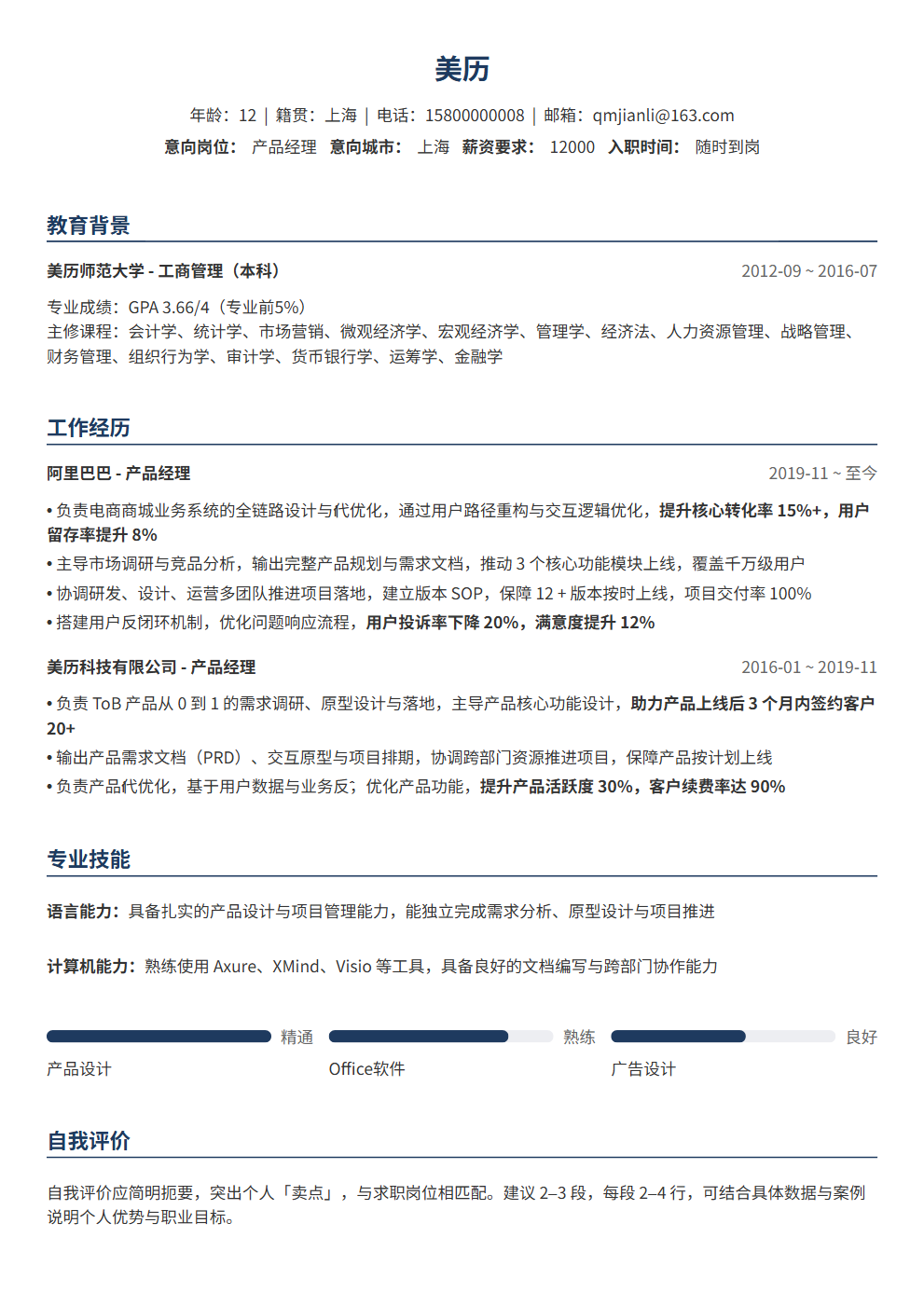
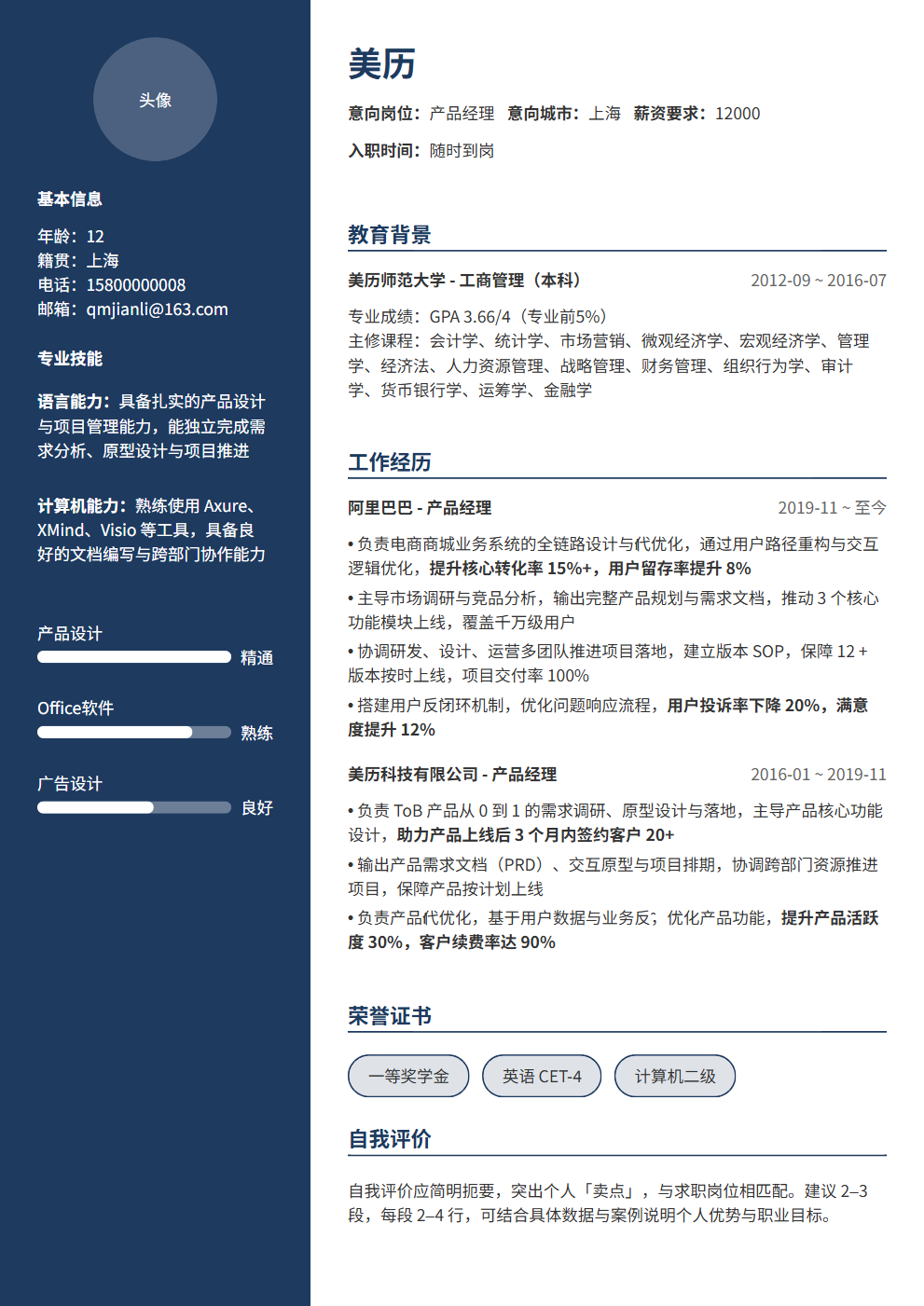
Moving from newcomer to core member isn't about waiting — it's about strategic proactive action. Active listening makes you worth communicating with, smart questioning helps you quickly acquire key information, finding a mentor helps you understand unwritten rules, managing expectations earns your manager's trust, building relationships creates your network, and contributing early proves your value through results. The core logic of all 6 strategies is consistent: give value first, then earn recognition. Similarly, a good resume speaks through value — not telling HR what you want, but showing what you can deliver. When you learn to earn your place in a team through contribution and communication, you've also learned to earn an interviewer's recognition through the achievements on your resume.