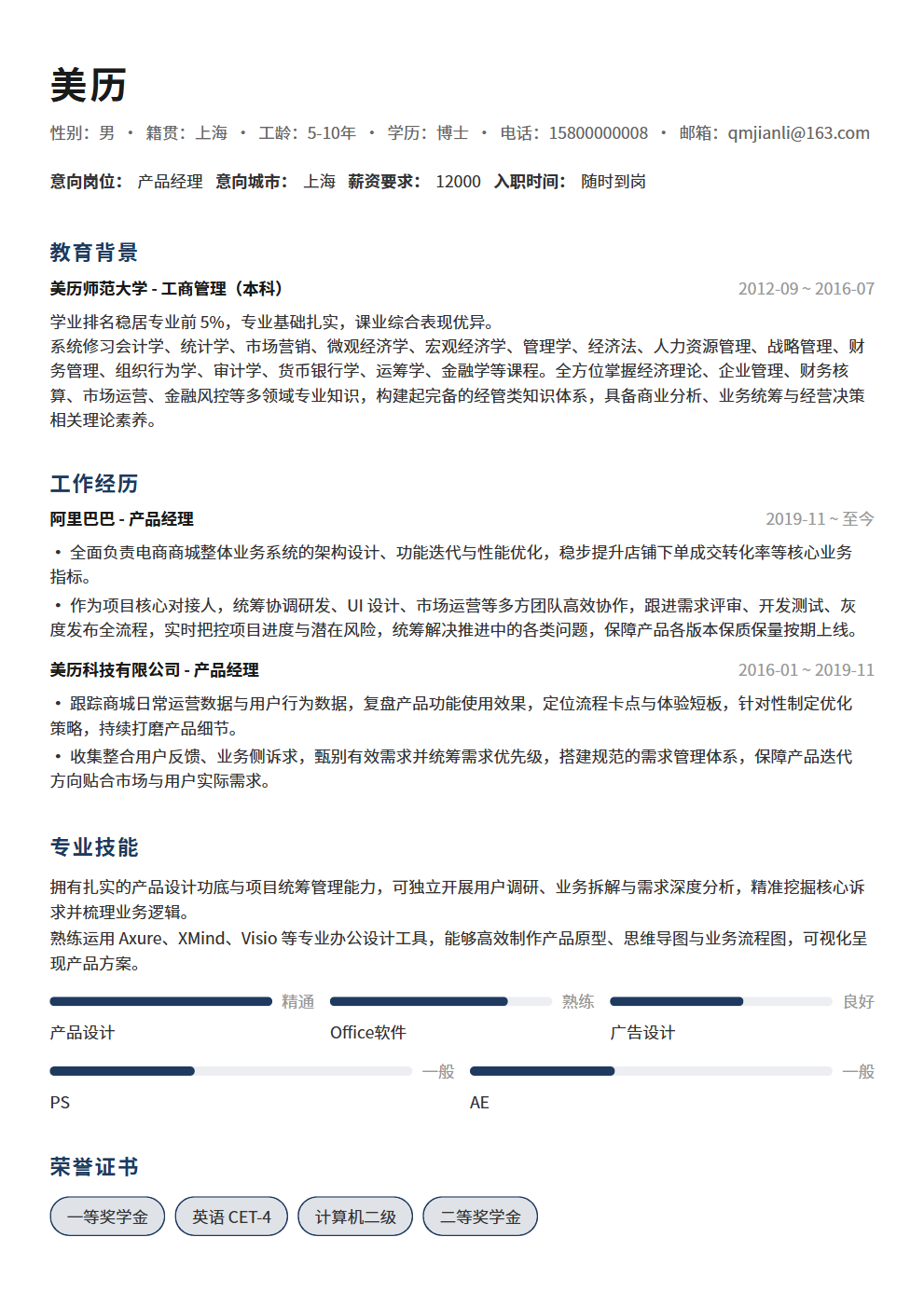
How Long Should You Wait After Submitting Your Resume? — The Real HR Screening Timeline and Follow-Up Strategies
Checking your phone every day after submitting your resume, wondering when it's truly over? The real HR screening timeline is far more complex than you'd expect. Different stages, channels, and company sizes mean completely different wait times. Master the right expectations and follow-up strategies so you're no longer waiting in the dark.
How Long Should You Wait After Submitting Your Resume? — Stop Checking Your Phone Every Five Minutes
You hit submit, and every phone notification makes your heart race. Three days of silence and the anxiety kicks in — every job seeker knows this feeling. But the real HR screening timeline is far more complex than you'd expect: some companies respond in 2 hours, others take 2 months. Waiting blindly only drains your energy. Master the real timeline expectations and the right follow-up methods to take control of your job search.
The Real HR Screening Timeline — Different Situations, Vastly Different Wait Times
Many people assume "no response in one week means you're out." The reality is far more nuanced. HR screening speed depends on so many factors that a one-size-fits-all timeline will only cause you to miss opportunities.
- Campus recruiting vs. experienced hires: Campus recruiting has clear batches and deadlines, usually with results in 1-2 weeks. Experienced hiring depends entirely on urgency — urgent roles get responses in 1-3 days, while non-urgent ones might sit on the job board for 1-2 months while the company takes its time.
- Large companies vs. small companies: Large companies have long processes — HR initial screen → department review → interview scheduling — which can take 2-4 weeks. Small companies make fast decisions; the boss approves and you could get an interview invite the same day.
- Application channels: Referrals typically get feedback in 1-3 days because referred resumes are prioritized. Job board applications go into a talent pool where HR might only review resumes once a week in batches. Company website applications follow standard processes, usually 1-2 weeks.
- Role urgency: If someone just left and the position needs filling urgently, HR checks resumes daily and contacts candidates in 1-2 days. If it's just building a talent pipeline, your resume might not get looked at for 2-3 months.
- Holiday factors: Around Chinese New Year, National Day, and year-end, HR response times slow significantly because interviewers are also hard to schedule during these periods. Don't judge "no chance" during holidays.
Time Expectations at Different Stages — When to Give Up, When to Wait
Now that you understand the factors, here are specific time expectations. These are reference lines based on real feedback from many job seekers — not absolute rules, but they'll help you set reasonable expectations.
- 1-3 days no response: Completely normal. HR may not have seen your resume yet, or they're processing the previous batch of candidates. Keep applying to other companies — don't fixate on just this one.
- 3-7 days no response: Most likely your resume has entered the screening process but hasn't been reviewed yet, or it's in the "maybe" pile. You can start preparing to follow up, but don't rush.
- 7-14 days no response: For urgent roles, you can generally assume you didn't pass the initial screen. For non-urgent roles or large companies, there's still a chance but the odds are decreasing. This is when you should proactively follow up once.
- 14-30 days no response: Most likely not happening, but not absolutely certain. Some companies have very slow processes, or a role was paused and later restarted. You can follow up once more, but don't hold your breath.
- 30+ days no response: 99% chance it's over. But there are rare exceptions: a frozen role gets unfrozen, the original candidate backs out, or a similar new role opens. If you're especially interested, ask once more, but focus your energy on other opportunities.
The Right Follow-Up Strategy — How to Ask Without Being Annoying
Many people are afraid to follow up, worried they'll "seem too eager." Others follow up daily and annoy HR into rejecting them. The right follow-up has rhythm and technique — showing genuine interest without being pushy.
- First follow-up timing: 7-10 days after applying, if there's been no response at all, send a brief follow-up message. Don't just ask "Did you see my resume?" — instead express "I'm very interested in this role and would like to know about the current progress."
- Channel selection: If you have HR's WeChat or email, contact them directly. If you only have the recruiting platform's chat window, message them there. If you have a referral contact, ask them to check for you — a referral asking is 10x more effective than you asking yourself.
- Follow-up template: "Hello, I'm [Name], and I applied for the [Role] position on [Date]. I'm very interested in this role and would like to learn about the current hiring progress. If you need any additional information from me, please don't hesitate to reach out. Thank you for your time!" Brief, polite, confident.
- Second follow-up: If there's still no response 7 days after your first follow-up, you can follow up once more, but this time add a "closure signal" — "If this role has been closed or filled, I'd appreciate being notified so I can plan my other job search activities." This shows professionalism and gives HR an easy out.
- What NOT to do: Don't follow up daily. Don't call to push (unless HR gave you their number). Don't @ HR on social media asking about progress. Don't project the anxiety of "this is my only chance." These behaviors only make HR think you're difficult to work with.
5 Common Reasons Your Resume Gets No Response — It's Not Always About You
No response doesn't mean you're not good enough. Often the reason has nothing to do with you at all. Understanding these reasons helps reduce unnecessary self-doubt.
- The role was closed but the posting stayed up: Many companies don't immediately remove job postings after hiring someone. Resumes keep coming in, but nobody's reading them anymore. This is the most common reason — and it has nothing to do with you.
- HR is too busy to review: Especially at small companies where HR handles admin, recruiting, and employee relations simultaneously. Resumes pile up and they simply can't get through them all.
- Your resume was filtered by ATS: Large companies use ATS systems to automatically screen resumes. If your resume format is wrong or keywords don't match, HR may never even see it — the system filtered it out first.
- Internal referrals take priority: If the role also has referred candidates, HR processes those first. Cold applications might not even make it to the review queue.
- The role was paused or frozen: Business adjustments, budget changes, or organizational restructuring can all cause a role to be paused. Your resume is still in the system, but nobody's processing it for now.
What to Do While Waiting — Don't Put All Your Eggs in One Basket
The worst thing you can do while waiting is fixate on a single company. Job searching is a numbers game — the more you apply and interview, the higher your chances of getting an offer.
- Keep applying: Maintain a rhythm of applying to 3-5 positions daily. Don't stop because you're "waiting for one response." Your goal isn't to get an offer from one specific company — it's to get the best offer.
- Optimize your resume: If you've applied to 20+ companies with no response, the problem might be your resume. Check keywords against JDs, add quantified achievements, and fix formatting issues.
- Diversify channels: Beyond job boards, try referrals, headhunters, industry communities, and direct applications on company websites. Different channels have vastly different response rates — running multiple channels in parallel dramatically improves efficiency.
- Prepare for interviews: Don't wait until you get an interview invite to start preparing. Work on your self-introduction, common interview question responses, and industry knowledge in advance. Missing an opportunity because you weren't ready is worse than having no opportunity at all.
- Track and review: Build a job search tracking spreadsheet recording each position's application date, channel, follow-up status, and response state. Data-driven job hunting helps you spot patterns and optimize your strategy.
Master the Timeline, Take Initiative — Stop Waiting Passively
Waiting after submitting your resume isn't passive — it should be rhythmic and strategic. Remember: 1-3 days with no response is completely normal, 7-14 days means it's time to proactively follow up, and 14+ days most likely means it's over but not absolutely. When following up, be brief, polite, and confident — follow up at most twice. The reasons for no response may have nothing to do with you — role closed, HR too busy, ATS filtering, referral priority, role frozen — these are all common. While waiting, keep applying, optimize your resume, diversify channels, and prepare for interviews. Don't put all your eggs in one basket. Job searching is a numbers game — the more you apply and the better prepared you are, the more opportunities you'll have. If you're optimizing your resume to boost response rates, try BeautyResume's resume editor — smart keyword matching helps you pass ATS screening, and professional templates make your highlights stand out at first glance, dramatically improving your resume pass rate.