5 Golden Timing Windows for Salary Negotiation: Choose the Right Time to Earn 30% More
Always choosing the wrong time to negotiate salary? 5 golden timing windows (when you have another offer, during annual performance reviews, after completing major projects, during company expansion, when market rates rise), specific tactics for each, 3 worst timing choices, and 3 preparations before negotiating — helping you earn 30% more by choosing the right moment.
Have you ever gathered the courage to ask your manager for a raise, only to be dismissed with "now's not the right time"? Or negotiated for a while only to hear "this year's budget is already used up, let's talk next year"? When it comes to salary negotiation, timing is 10 times more important than your pitch. Choose the right moment and your raise request flows naturally; choose the wrong one and no matter how well you articulate it, it won't matter. Today let's discuss the 5 golden timing windows for salary negotiation, helping you earn 30% more by choosing the right moment.
Golden Window 1: When You Have Another Offer — The Strongest Leverage
This is the highest-value timing among all options. When you hold an offer from another company, you have the hardest leverage — not "I want more money," but "the market has already validated my value; if you don't match it, I'll leave."
- Why this timing is strongest: The cost of hiring a new employee far exceeds the cost of retaining an existing one. Recruitment costs (headhunter fees, interview time, training costs) plus vacancy costs (business impact) can equal 3-6 months of your salary. So when the company faces the choice between "giving you a 2,000 RMB raise" or "spending tens of thousands to hire someone new," the rational choice is to give you the raise
- Specific approach: After receiving an offer, don't rush to submit your resignation. Schedule a meeting with your direct manager and honestly tell them: "I've received an offer from another company with a salary XX% higher than my current one. I really enjoy my work here, but the salary gap makes it hard for me not to consider it." Give your manager room to advocate for you, rather than issuing an ultimatum
- Important notes: Don't use a fake offer to negotiate — if the company says "congratulations, we wish you well," you'll actually have to leave with no backup. Also, don't wave 3-4 offers to threaten the company; this makes your manager feel you're already "riding a donkey while looking for a horse," and even if they give you a raise this time, they won't trust you with important responsibilities next time
- Success rate: According to workplace surveys, the success rate of negotiating a raise with an external offer is 60%-70%, far higher than the 20%-30% without leverage. But note that after success, your trust relationship with the company may subtly change, and you'll need even better performance to consolidate your position
Negotiating with an offer in hand isn't about threats — it's about making the company realize your market value. Be sincere in attitude, firm in position, and leave dignified space for both sides.
Golden Window 2: During Annual Performance Reviews — The Legitimate Window
Annual performance reviews are the company's "official" raise window and your most legitimate timing for salary negotiation. At this point, the company is already considering raises, so your request won't seem abrupt.
- Why this timing works: During performance reviews, managers are already evaluating everyone's contributions and value, and raise budgets have already been approved. Raising the topic at this time catches the window when "the money is already ready"
- Specific approach: Before the performance review meeting, prepare an "achievement list" — itemize the important projects you completed over the past year, the business value you created, and the recognition and awards you received. During the meeting, first listen to your manager's assessment of your performance, then naturally transition to the raise request: "Based on my performance this year, I'd like a salary adjustment of XX%"
- Anchoring the raise amount: Don't just say "I want a raise" — state a specific number with reasons. "I'd like a 15% salary adjustment because this year I completed the XX project, generated XX million in revenue for the company, and received an A performance rating." Numbers and evidence are 10 times more effective than vague requests
- If the manager says "budget is limited this year": Don't give up. Ask "what standards would I need to meet for a XX% adjustment during next year's raise cycle?" This way you get clear targets and make the manager commit to future possibilities
Negotiating during performance reviews is about "letting results speak." The harder your achievements and the more specific your data, the higher your success rate.
Golden Window 3: After Completing a Major Project — Your Value Is Most Visible
You just completed a major project — landing a big client, solving a technical challenge, or launching an important product. At this moment, your value is most visible — your manager has witnessed your contribution firsthand, and colleagues recognize your capability. Strike while the iron is hot for the highest success rate.
- Why this timing works: There's a psychological principle called the "recency effect" — people remember recent events most vividly. You just completed a major project, and your manager's memory of your contribution is fresh. Negotiating now makes it easier for them to acknowledge your value. If you wait 3 months, your contribution may have been "diluted"
- Specific approach: Within 1-2 weeks after project success, schedule a project review with your manager. During the review, summarize the project's outcomes and your contributions, then naturally transition to the raise topic: "The success of this project has given me more confidence in my abilities. I feel I can take on greater responsibilities, and I hope my salary can match my current contributions"
- Pace yourself: Don't negotiate a raise the same day the project ends — it makes you look like you did the project just for the money. Wait 1-2 weeks, let the results settle, and ensure both your manager and team fully recognize your contribution before bringing it up
- If the project was team-completed: Emphasize your core role and key contributions without diminishing teammates. You can say "In this project, I was responsible for the XX module, solved the XX challenge, and drove XX progress" — focus on your personal contribution while respecting team collaboration
Negotiating after project completion is about "striking while the iron is hot." The fresher and more visible your contribution, the stronger your justification for a raise.
Golden Window 4: During Company Expansion — When the Company Needs People Most
When the company is in an expansion phase — launching new business lines, establishing new departments, signing major clients — this is when the company needs people most and is most willing to spend to retain them. Negotiating during expansion means the company has budget, willingness, and urgency, greatly increasing your success rate.
- Why this timing works: During expansion, the company's top priority is "racing against time and capturing market share," and personnel stability is paramount. If key employees leave over salary issues, it would seriously impact business progress. So the company's tolerance for and approval rate of raise requests are both higher during this phase
- Specific approach: Stay attuned to the company's business developments — new business lines, successful funding rounds, major client signings. Within 1 month after these positive announcements is the optimal window for negotiating. You can say: "The company is growing rapidly, and I'd like to take on more responsibility during this phase and contribute to the company's growth. I also hope my salary can reflect my increased contributions"
- Volunteer proactively: Expansion-phase companies often lack manpower. You can proactively offer to take on work for new business lines, mentor newcomers, or collaborate across departments. Increase your contributions first, then negotiate — the logic flows better
- Assess expansion sustainability: If the company's expansion is "burning money for growth," it may soon contract. Negotiate during expansion early — don't wait until the company starts laying people off
Negotiating during expansion is about "going with the flow." When the company needs people, your raise request is more likely to be granted.
Golden Window 5: When Market Rates Rise — The Most Persuasive External Evidence
When salary levels for your position have clearly risen in the market, you have the most persuasive external evidence — not "I want more," but "the market has changed, and my salary is below market rate."
- Why this timing works: Market rates are objective and verifiable — your manager can't deny them. When you present data from recruitment websites, headhunter feedback, and industry salary reports proving your salary is 20%+ below market rate, it's hard for your manager to refuse with "you're already paid enough"
- Specific approach: Collect market salary data — search salary ranges for similar positions in your city on platforms like Boss Zhipin, Lagou, and Liepin; chat with 2-3 headhunters about the market's valuation of you; follow industry salary reports. Then bring this data to your manager: "I've noticed that the market salary for our position has reached XX-XX range, and my current salary is about XX% below market rate. I hope the company can consider an adjustment"
- Be specific with data: Don't just say "market rates went up" — say "the median salary for the same position in the same city with 3+ years of experience is XX RMB, and I'm currently at XX RMB, a gap of about XX%." The more specific, the more persuasive
- Combine with your own performance: Market rates are external evidence; your performance is internal evidence. Combining both is most effective: "Market rates went up + my performance met targets = I deserve a raise"
Negotiating when market rates rise is about "letting data speak." Objective market data is 100 times more persuasive than the subjective "I feel I'm underpaid."
3 Worst Timing Windows — Don't Step on These Landmines
Knowing when to negotiate isn't enough — you also need to know when not to. At these 3 moments, not negotiating is better than negotiating.
- Worst timing 1: During company layoffs or business contraction. The company is cutting budgets and laying off staff, and you want a raise? Your manager will only think you "lack big-picture awareness." Plus, negotiating during layoffs might make management think you're "not loyal enough," potentially putting you on the next layoff list
- Worst timing 2: Right after you've made a major mistake. You just botched a project, caused an incident, or had a serious conflict with a colleague, and now you want a raise? Your manager is thinking "you have the nerve to ask for a raise?" Fix your image first, then negotiate
- Worst timing 3: Right after a leadership change or department restructuring. The new manager is still assessing the team and doesn't understand your capabilities and contributions. Negotiating now gives the new manager no basis for judgment. Wait until they're familiar with your work performance — your success rate will be higher
Each of these 3 moments is an "uphill battle" — you not only have no advantage, but you might achieve the opposite effect. Remember: negotiate with the wind at your back, not against it.
3 Preparations Before Negotiating — Don't Fight Unprepared
Choosing the right timing is only part of the equation — you also need thorough preparation. These 3 preparations are all essential.
- Preparation 1: Define your target salary and bottom line. Don't say "the more the better" — have a specific number. What's your target salary, what's the minimum you'll accept, and below what threshold would you consider job-hopping? These three numbers should be clear in your mind. Start negotiating from your target to leave room for both sides
- Preparation 2: Organize your achievement evidence. Compile a list of your achievements over the past year (or longer): what projects you completed, what value you created, how much cost you saved, what recognition you received. Ideally with specific data and outcomes, such as "led the XX project, generating XX million in revenue for the company"
- Preparation 3: Rehearse negotiation scenarios. Imagine the objections your manager might raise — "budget is limited this year," "your performance isn't outstanding enough," "others didn't get raises either" — and prepare responses in advance. You can practice with a friend to ensure you stay composed during the actual negotiation
Salary negotiation isn't an impulsive act — it's a prepared campaign. The more prepared you are, the more composed you'll be, and the better the outcome.
Conclusion: 70% of Salary Negotiation Success Depends on Timing
5 golden timing windows — when you have another offer (strongest leverage), during annual performance reviews (most legitimate), after completing major projects (most visible value), during company expansion (company needs people most), when market rates rise (most persuasive external evidence) — each is your "favorable wind." 3 worst timings (during layoffs, right after a major mistake, right after leadership change) — each is an "uphill battle" where not negotiating is better than negotiating. 3 preparations before negotiating (define target salary and bottom line, organize achievement evidence, rehearse scenarios) — ensure you're at your best during the optimal moment. Remember: 70% of salary negotiation success depends on timing, 30% on your pitch. Choose the right time, and you can earn 30% more.
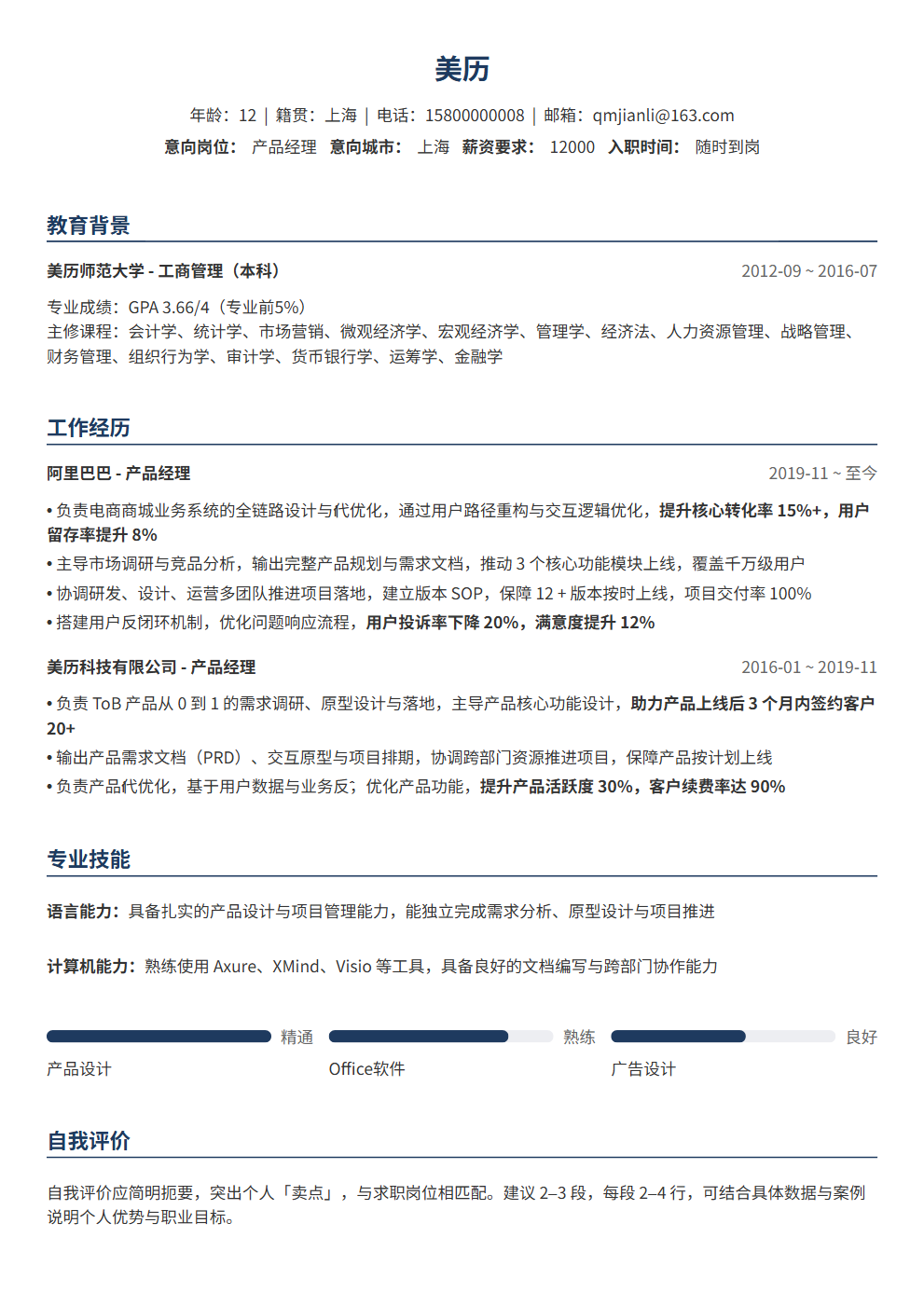
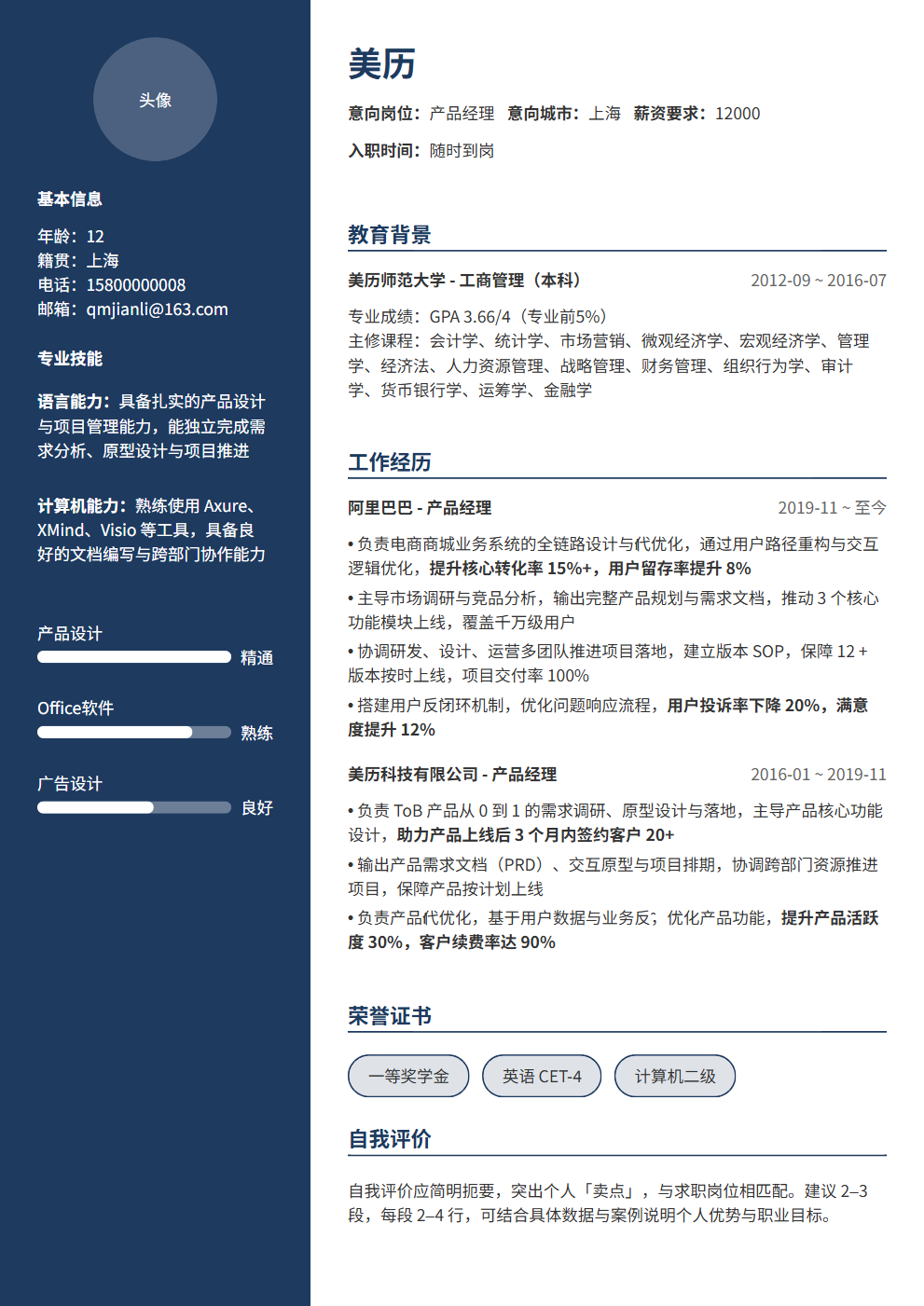
Want more confidence in salary negotiations? The first step is making the company see your professional value. Use BeautyResume's resume editor to craft a professional resume that makes your achievements and capabilities crystal clear — whether for internal raises or external job searches, it's your best weapon for salary negotiation.