From Big Tech to Startups: How to Tell Your Story in Resumes and Interviews Without Sounding Like You're Settling
Many people leaving Big Tech for startups think they're bringing a "superior force" — armed with brand-name credentials, they'll surely crush it at a smaller company.
From Big Tech to Startups: Interviewers' Biggest Fear Is That You're There to Coast
Many people leaving Big Tech for startups think they're bringing a "superior force" — armed with brand-name credentials, they'll surely crush it at a smaller company. But the reality is that startup interviewers see Big Tech candidates and their first reaction isn't excitement — it's wariness: Did you leave because you couldn't cut it? Can you only execute, not build from zero? Are you so used to polished processes and abundant resources that you'll flounder in a scrappy environment? If you can't tell your story well in your resume and interviews, your Big Tech background can actually work against you.
3 Core Concerns Startup Interviewers Have About Big Tech Candidates
Understanding these concerns lets you address them head-on:
- Concern 1: You can't handle uncertainty. Big Tech has polished processes, clear divisions of labor, and ample resources. Startups have none of these. Interviewers worry you're used to having everything laid out for you and will freeze when you have to pave your own way.
- Concern 2: You can only execute, not build from zero. Big Tech's work model is "receive requirements → execute → deliver." Startups need you to discover problems, define solutions, and drive implementation yourself. Interviewers worry you're a cog, not a driver.
- Concern 3: Your salary expectations are too high. Big Tech compensation typically exceeds what startups can offer. Interviewers worry you won't accept a pay cut, or that you'll leave quickly because you're unsatisfied with compensation.
Resume Narrative Strategy — From "Big Tech Cog" to "Full-Stack Driver"
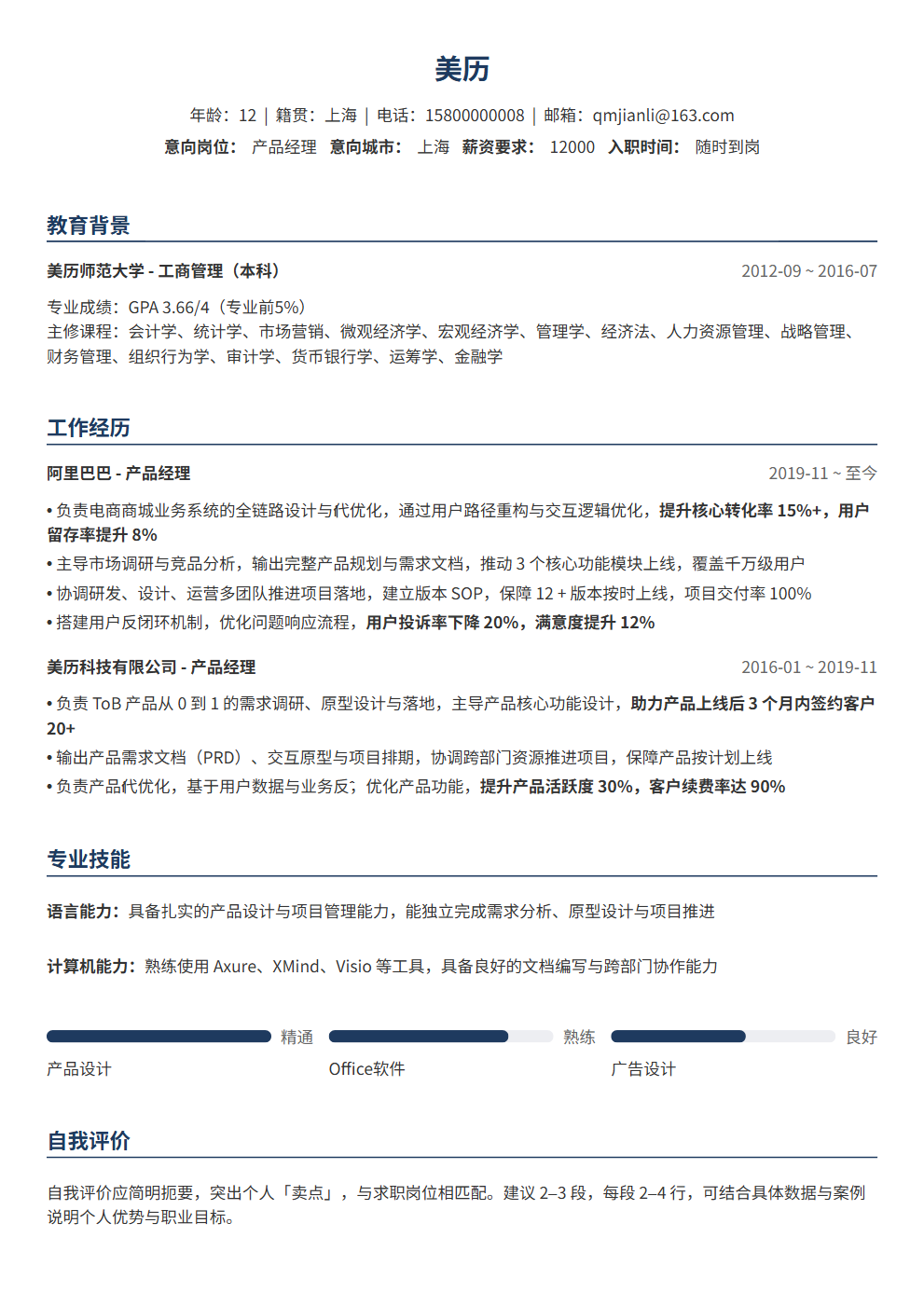
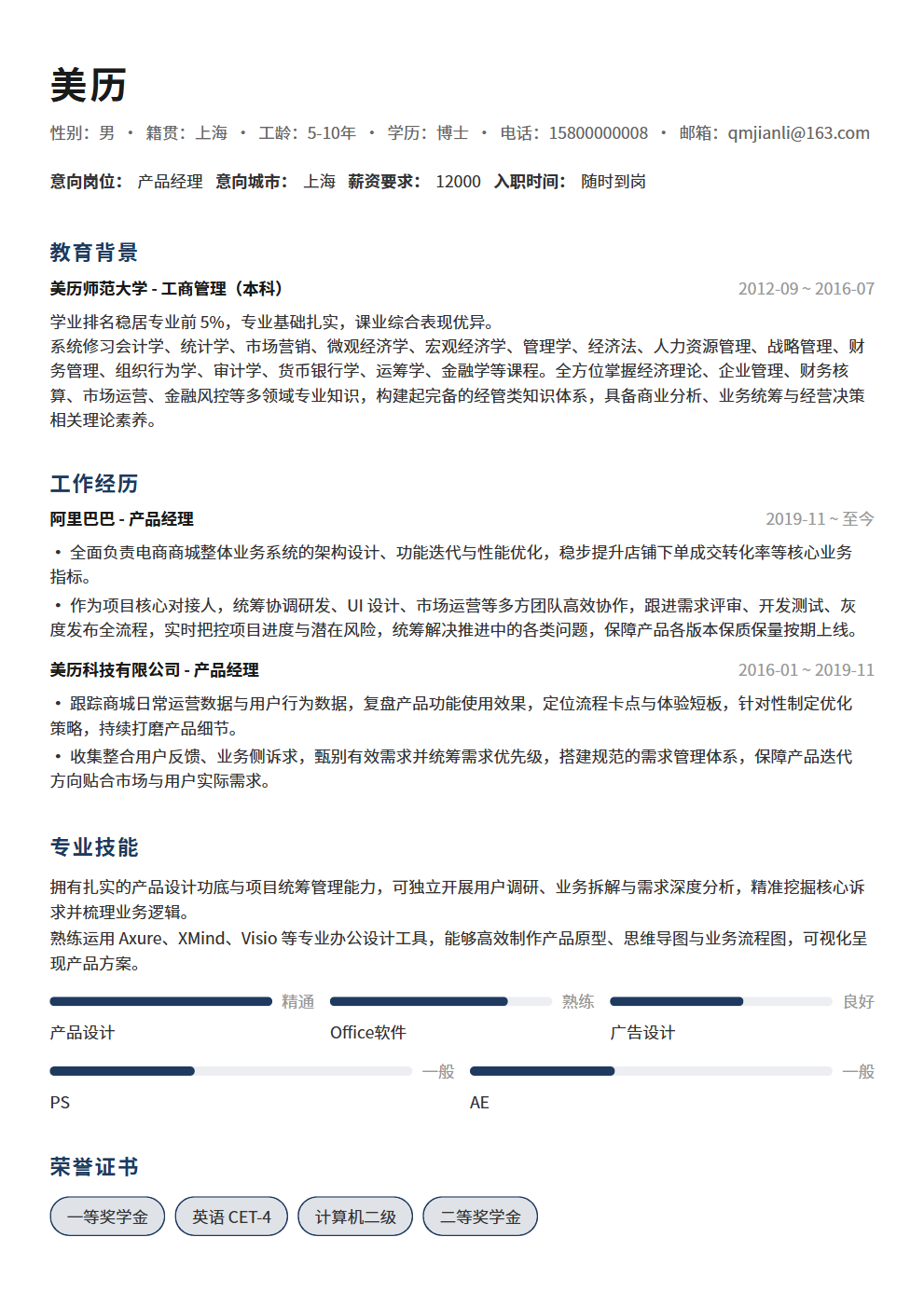
The most common mistake in Big Tech resumes is only describing what module you owned or what project you participated in — making you look like a pure executor. You need to reframe your narrative to present yourself as someone with "big-picture vision who can drive outcomes":
- Don't just write about modules — write about end-to-end flows: Instead of "responsible for frontend development of the payment module," write "contributed to building the payment system from 0 to 1, owning frontend architecture design, collaborating with backend and product teams to drive delivery, and optimizing performance post-launch."
- Don't just write about execution — write about decisions: Instead of "implemented pages according to design specs," write "led technology selection decisions under resource constraints, choosing approach X over approach Y, saving X in development costs."
- Don't just write about results — write about challenges: Startups value how you handle adversity above all. Add "faced X challenge, solved through Y approach" narratives to each experience.
How to Explain Leaving Big Tech in Interviews — 3 Safe Answers
"Why are you leaving Big Tech?" is a guaranteed interview question. Answer poorly and you're out. Three safe approaches:
- Pursuing greater impact: "At Big Tech, my module was important, but my influence on the overall business was limited. I want to work in an environment where I can directly shape the company's direction, and where my decisions translate into business results faster." This answer emphasizes wanting more responsibility, not escaping something.
- Craving zero-to-one experience: "Big Tech work is mostly optimization and iteration. I want the experience of building a product or business from scratch. That's hard to get at Big Tech, but it's everyday life at a startup." This shows you understand what startup work actually looks like.
- Conviction about a specific direction: "I believe in the X market, and Big Tech's investment in this space is limited. I'd rather join a team that's fully focused on this and go all in." This frames your choice as a strategic judgment, not dissatisfaction with Big Tech.
Never say: Big Tech is too competitive, my boss was terrible, promotions were too slow, or the pay was too low. These answers only make interviewers think you're running away from problems, not making an active choice.
The Right Way to Present Big Tech Experience — Emphasize Innovation Under Resource Constraints
Many people assume Big Tech means "unlimited resources." In reality, internal resource competition at Big Tech is fiercer than at startups. What you should emphasize in your resume and interviews is how you innovated and broke through under resource constraints. For example: your team of 3 had to support millions of users — how did you solve this through technical optimization? Cross-departmental resources weren't cooperating — how did you still drive the project to completion? Your budget was cut in half — how did you achieve the goal with fewer resources? These stories are far more compelling than "I built a product with millions of users at Big Tech," because the one thing startups lack most is resources.
How to Demonstrate 3 Key Capabilities for Startup Fit
Startups value three capabilities above all. You need to highlight them in your resume and interviews:
- Zero-to-one ability: Not optimizing existing systems, but building new systems, processes, and businesses from scratch. Emphasize keywords like "built," "from scratch," and "first implementation" in your resume.
- Multitasking ability: At a startup, one person does the work of three. In interviews, demonstrate your experience juggling multiple projects and switching between roles. For example: "simultaneously led technical architecture and team management" or "wrote code and conducted product reviews."
- Rapid decision-making: At Big Tech, a single decision might go through 5 review meetings. Startups need you to make fast judgments with incomplete information. Share examples of decisions you made in ambiguous environments, emphasizing your decision-making logic rather than just the outcome.
Salary Negotiation — Evaluating Total Compensation from Big Tech to Startup
Compensation structures are completely different at startups versus Big Tech — you can't just compare monthly salary numbers. A startup's total package typically includes: base salary (possibly lower than Big Tech) + equity/options (potentially the biggest value driver) + flexible benefits (remote work, flexible hours, etc.). Evaluate startup offers across three dimensions: Does the base salary meet your living floor? Is the potential value of the equity worth anticipating (understand the company's funding stage, valuation, and option exercise conditions)? Do non-salary benefits compensate for the salary gap? When negotiating, don't say "I make X at Big Tech." Instead, say "My current total compensation is X. I understand startup compensation structures are different, and I'm more interested in the upside potential of equity and growth opportunities."
Moving From Big Tech to a Startup Isn't Settling — It's Switching Tracks
Going from Big Tech to a startup isn't a downgrade or a fallback — it's choosing a different growth track. Big Tech gives you depth and systems; startups give you breadth and speed. Neither is superior — it's about fit. The key is whether you can tell this story well in your resume and interviews — not "I couldn't make it at Big Tech," but "I chose a path that fits me better." If you're transitioning from Big Tech to a startup and need a resume that redefines your career narrative, try BeautyResume's resume editor — professional templates help you reshape from "Big Tech cog" to "full-stack driver," and smart word suggestions help you tell each Big Tech experience as a story startups want to hear, showing interviewers you chose a startup not because you had no other options, but because you're ready.