Dismissed During Probation After Job-Hopping? 3 Preventive Measures and 2 Response Strategies
Being dismissed during probation after job-hopping is the worst-case scenario — 3 preventive measures (pre-onboarding confirmation, goal alignment, proactive communication) and 2 response strategies (fighting for permanent status, leaving gracefully), plus legal rights you should know.
Job-hopping should be a career upgrade, but getting dismissed during probation means the new job is gone, the old one is unreachable, and your resume now has a "short-term stint." This is the worst outcome of job-hopping, but it's not unpreventable or unmanageable. 3 preventive measures help you avoid the probation trap, and 2 response strategies help you minimize losses even if dismissed.
Why Dismissal During Probation Is the Worst Job-Hopping Outcome
Being dismissed during probation is devastating not just because you "lost a job," but because it delivers a triple blow:
- Financial blow: You've already left your previous job, and the new one didn't work out — your income drops to zero. If you quit naked to job-hop, the financial pressure is even greater
- Resume blow: A short-term stint of less than 3 months looks bad on your resume. If you omit it, there's a gap in your social insurance and background check records. HR will definitely ask "why did you leave so quickly" during interviews
- Psychological blow: Being dismissed itself severely damages your confidence — you start doubting your abilities, your judgment, and even the decision to job-hop. This self-doubt affects your subsequent job search performance
What's most frustrating is that many probation dismissals aren't due to incompetence, but rather "misaligned expectations" — the company wanted something different from what you could deliver, but neither side clarified this before onboarding. This situation is entirely preventable.
Preventive Measure 1: Confirm 3 Things Before Onboarding — Stop Risk at the Door
80% of the root causes of probation dismissal are planted before onboarding. Confirming these 3 things beforehand can significantly reduce the probability of failing probation:
- Confirm the role's real requirements: During interviews, ask clearly "what are the 3 most critical things for this role," "why did the previous person in this role leave," and "what are the evaluation criteria when probation ends." If HR or the interviewer can't answer clearly, the role definition is vague, and the risk of probation dismissal is high
- Confirm the team's real situation: Before onboarding, try to have a conversation with your future direct manager to understand their management style, expectations for subordinates, and the team's current pain points. If the direct manager is a "perfectionist + high turnover" type, the probability of probation dismissal is very high
- Confirm probation evaluation criteria: This is the most critical point. Ask the company to include probation evaluation criteria in the offer or employment contract — including evaluation cycle, metrics, and conditions for permanent status. If the company won't put it in writing, probation evaluation may be "based on the manager's mood," and you should be cautious about such companies
A judgment principle: If you can't clearly articulate "what standards must be met to pass probation" before onboarding, don't join. Vague probation standards are the breeding ground for probation dismissal.
Preventive Measure 2: Align Probation Goals — Don't Wait Until the Last Day to Find Out You're Not Making It
Even if you confirmed evaluation criteria before onboarding, many companies' actual execution differs from what's on paper. Probation goal alignment means proactively matching "what the company wants" with "what you can deliver" after joining.
- Confirm goals with your direct manager in your first week: Don't wait for the company to arrange a "probation review" — proactively schedule a 30-minute chat with your direct manager. Ask: "What are the 3 most important results you expect from me during probation?" "Is there anything I should pay special attention to?" "How often should we check in on progress?"
- Break goals into quantifiable milestones: If the manager says "I hope you get up to speed quickly," follow up with "What does 'up to speed' mean? What should be completed in the first month? The second month?" Turn vague expectations into concrete milestones so you know whether you're on the right track
- Proactively report progress every two weeks: Don't wait for the manager to ask — proactively report your work progress, challenges encountered, and support needed. This both demonstrates your work attitude and continuously calibrates the manager's expectations
- If goals are misaligned, communicate immediately: If you notice the manager's expectations differ from what you're actually doing, don't silently adjust — communicate with the manager immediately to realign goals. Silence only widens the gap
The core logic of probation goal alignment: probation isn't "testing you" — it's a "two-way selection." You have the right to know the company's expectations and the obligation to let the company know your progress. Information asymmetry is the biggest cause of probation dismissal.
Preventive Measure 3: Communicate Proactively — Don't Let "Small Problems" Become "Dismissal Reasons"
Many probation dismissals result from "small problems" accumulating to an "irreversible" point. Proactive communication means solving problems while they're still small.
- Ask for help proactively when facing difficulties: It's normal to encounter things you can't do during probation, but many people tough it out because they're "afraid of being seen as incompetent," and end up messing things up — which makes the manager think you're actually incompetent. Asking for help isn't embarrassing; failing because you didn't ask is
- Ask proactively when something feels off: If you sense the manager's attitude toward you has changed, your workload has suddenly decreased, or you're no longer invited to important meetings — these are all signals that probation may not go well. Don't pretend you didn't notice; proactively ask the manager "are there areas where my recent performance needs improvement?"
- Proactively seek feedback: Don't wait until the end of probation to hear the manager's evaluation for the first time. Mid-probation, proactively ask: "So far, what do you think I've done well? What areas need improvement?" Knowing problems early means fixing them early
- Build relationships with colleagues: Probation isn't solely the manager's call — colleagues' opinions matter too. Proactively integrate into the team, help colleagues, and participate in group activities. A "pleasant to work with" person, even if slightly lacking in ability, is more likely to be given a chance
A key reminder: proactive communication isn't "people-pleasing" — it's "expectation management." You need to let the manager know what you're doing, how it's going, and what support you need — so the manager can make fact-based judgments rather than impression-based ones.
Response Strategy 1: Fight for Permanent Status — If You Still Want to Stay
If you sense mid-to-late probation that you might not pass, but you genuinely want to stay, these strategies can help you fight for permanent status:
- Have an honest conversation with your direct manager: Ask directly "what's the gap between my current performance and the standard for permanent status?" If the gap is specific and bridgeable, there's still hope; if the manager can't articulate a specific gap and just vaguely says "not quite a fit," the problem may not be with you
- Create a "remediation plan": If the gap is specific, work with the manager to create a remediation plan — "Over the next X weeks, I'll focus on improving areas A, B, and C, and report progress to you every two weeks." This demonstrates your initiative and willingness to improve
- Request a probation extension: If there isn't enough time for remediation, proactively propose extending the probation period. Some companies are willing to grant extensions, especially when your attitude is positive and improvement direction is clear. An extended probation is better than outright dismissal
- Escalate to higher management: If you have reason to believe the direct manager's evaluation is unfair (e.g., personal bias, extreme management style), you can communicate with higher management. But use this step cautiously — only when you have evidence that the evaluation is genuinely unfair
The key to fighting for permanent status: you must show the company that "keeping you is more valuable than dismissing you." Demonstrate your willingness to improve, your improvement plan, and your improvement actions — speak with facts, not emotional pleas.
Response Strategy 2: Leave Gracefully — If You Decide or Must Leave
If fighting for permanent status is hopeless, or you've assessed that the company truly isn't right for you, leaving gracefully is the best choice. Leaving gracefully isn't "giving up" — it's minimizing losses.
- Don't burn bridges with the company: Even if you feel the company was unfair, don't make a scene when leaving, post complaints on social media, or threaten the company. The professional world is small, and your reputation matters far more than momentary emotional venting
- Negotiate reasonable severance: Even for probation dismissal, the company must pay severance (half a month's salary for less than 6 months of work). If the company refuses, you can legally enforce your rights
- Request an appropriate departure certificate: The departure certificate should not say "failed probation." Request it to say "left for personal reasons" or "mutual agreement." This is crucial for your subsequent job search
- Complete work handover properly: Even if you've only worked 2-3 months, do a proper handover. This isn't for the company — it's for your professional reputation
- Prepare your narrative for this experience: When asked about this short stint in interviews, don't say "I was dismissed." Say "after onboarding, I found the role differed significantly from expectations, and we mutually agreed to part ways" — this is truthful and not embarrassing
The core of leaving gracefully: control what you can control. You can't control whether the company dismisses you, but you can control how you leave. A graceful departure won't leave a stain on your career.
Legal Rights You Must Know About Probation Dismissal
Many people don't realize that probation dismissal has legal protections. Here are the legal rights you should understand if dismissed during probation:
- Companies can't "casually" dismiss probation employees: The law requires that probation dismissal must have evidence of "not meeting employment conditions." The company can't dismiss you simply because "the manager feels you're not suitable" — there must be specific evaluation records and factual basis
- You have the right to demand the company state the dismissal reason: The company must inform you in writing of the specific reasons you don't meet employment conditions. If the company can't state specific reasons, or the reasons are clearly unreasonable, you can file for labor arbitration
- Severance pay: Even if dismissed during probation, the company must pay severance. The standard is: less than 6 months of work, half a month's salary; 6 months to less than 1 year, one month's salary
- Damages for illegal dismissal: If the company dismisses you without proper cause, it constitutes illegal termination of the employment contract, and you can demand double severance as compensation
- Social insurance and salary: Upon probation dismissal, the company must settle all wages and cannot underpay based on "probation" (probation salary must be at least 80% of the permanent salary). Social insurance must also be paid through the month of departure
Rights protection advice: If you believe your probation dismissal was illegal, first collect evidence (evaluation records, communication records, dismissal notices, etc.), then file for arbitration with the local labor arbitration committee. Labor arbitration is free, and in most cases, employees win.
Conclusion: Probation Dismissal Isn't the End — Prevention and Response Both Matter
Being dismissed during probation after job-hopping is the worst outcome, but not the most fatal one. 3 preventive measures (confirming role requirements and evaluation criteria before onboarding, aligning probation goals, proactively communicating to manage expectations) can minimize the probability of failing probation. 2 response strategies (fighting for permanent status, leaving gracefully) can minimize losses in the worst case. Remember: probation is a two-way selection. You have the right to know the company's expectations and the obligation to demonstrate your value. If you are dismissed, know your legal rights and don't let the company take advantage of you.
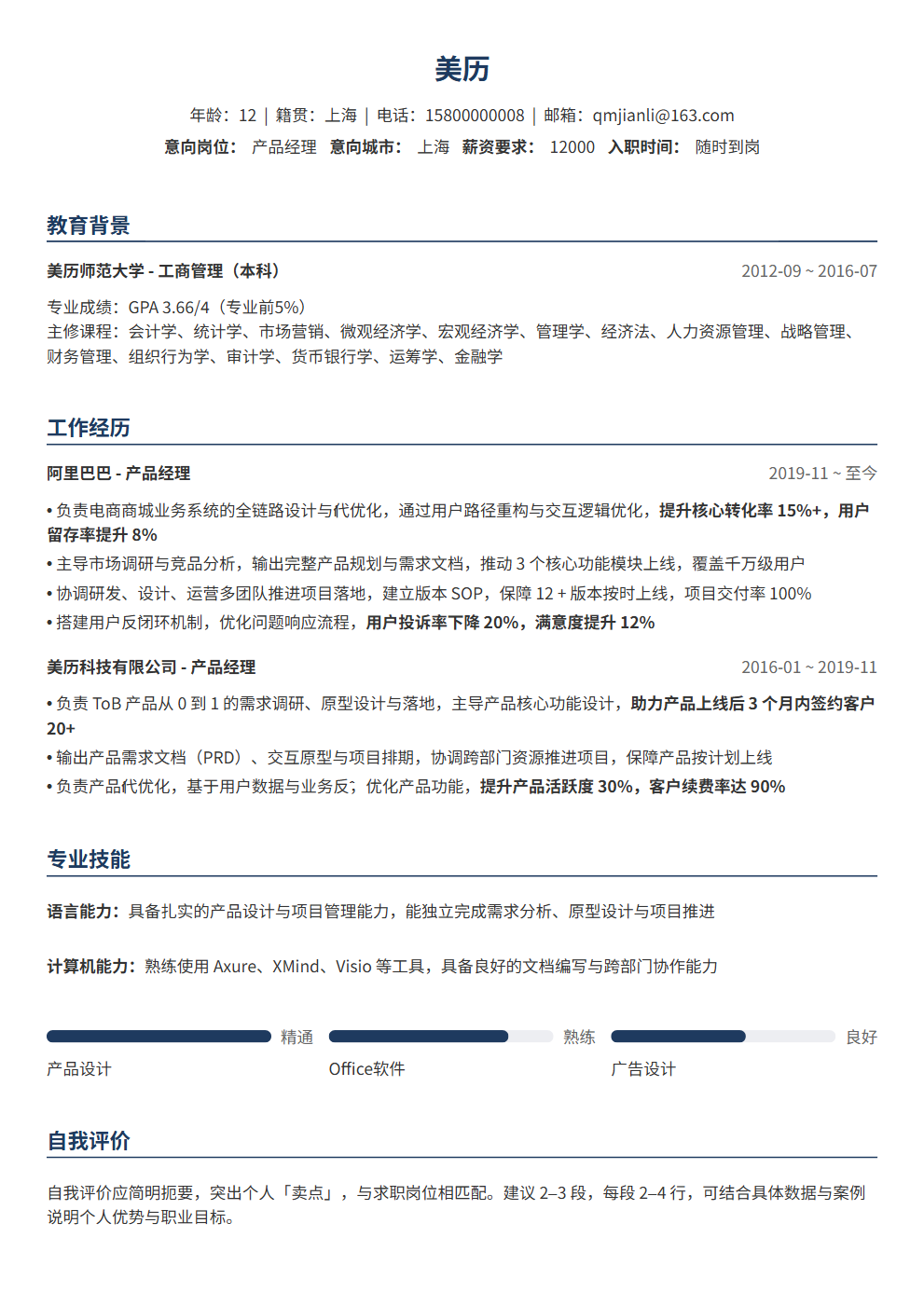
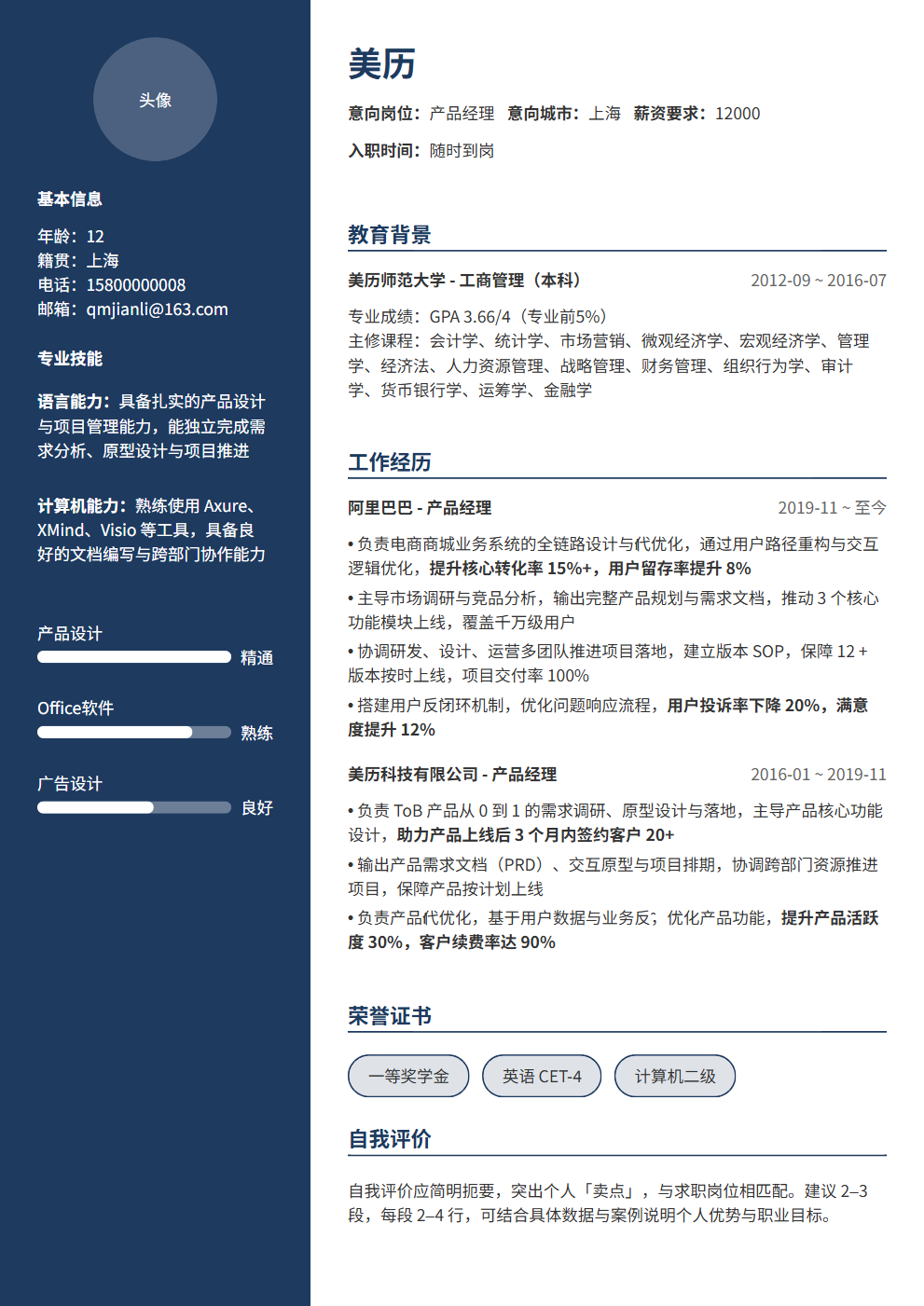
Whether you're currently job-hopping or just started a new job, a professional, persuasive resume is your core competitive advantage. BeautyResume offers smart formatting and one-click optimization to help you quickly create a high-quality resume. Being dismissed during probation isn't scary — what's scary is not having a resume ready for your next move. Optimize your resume with BeautyResume, and your next job will be more secure!