How to Move Cross-Department Projects Forward: Align Incentives, Define Tasks, Document Decisions, and Build Process
Your project stalls halfway because another department won't move. You've followed up three times with no response. They say "this isn't my priority." Cross-department collaboration is the biggest efficiency killer at work. 5 methods to break down departmental walls and make collaboration about process, not personal favors and endless chasing.
Cross-Department Collaboration — Why Do You Always Get Dragged Down by Other Departments?
Your project is halfway done and stalls at another department. You follow up once — no reply. Twice — "we're working on it." Three times — they say "this isn't my priority." Cross-department collaboration is the biggest efficiency killer at work. Your project timeline depends on someone else's cooperation, and why would they prioritize you? Rely on personal favors? Endless chasing? Escalating to leadership? These methods work occasionally but aren't sustainable. Here are 5 methods to shift from "collaborating through relationships" to "collaborating through systems."
Method 1: Turn Your Request Into Their Interest — Not "Help Me," But "Let's Win Together"
The biggest obstacle in cross-department collaboration is that your project is just extra burden to them. Their lack of cooperation isn't an attitude problem — it's a misalignment of interests. The solution isn't chasing; it's finding the value for them.
- Find the connection to their KPIs: Can the cooperation you need help them hit their own metrics? For example, if you need the marketing team to provide user data, and they happen to need a user profile report — you can say "I can share the user data I've compiled for your profile analysis," turning a one-way request into mutual benefit.
- Package your project as their achievement: If you need the product team to adjust a feature, you can say "After this adjustment goes live, your product's user retention rate is projected to increase by X%." Make them feel that cooperating isn't helping you — it's helping themselves.
- Build a "favor account" in advance: Don't wait until you need help to reach out to other departments. Proactively solve others' problems, share useful information, and acknowledge others' contributions in cross-department meetings. These "deposits" automatically pay off when you need collaboration.
Method 2: Turn Vague Requests Into Specific Tasks — Not "Take a Look," But "Confirm These 3 Points by Wednesday"
Often, the other party isn't unwilling to cooperate — your request is just too vague. They don't know exactly what to do, by when, or to what standard. Vague requests equal low priority.
- Specify the deliverable: Not "help me review the proposal" but "please confirm 3 technical feasibility points in the proposal: whether interface A is supported, whether data B is accessible, and whether logic C conflicts with the existing system."
- Specify the deadline: Not "reply as soon as possible" but "please reply by end of day Wednesday, because we enter the development phase on Thursday." A deadline gives them a basis for scheduling and gives you an anchor for follow-up.
- Specify the completion standard: Not "good enough is fine" but "the standard for approval is: no blocking issues in the technical solution, and development effort estimate is within 2 person-weeks." With clear standards, they know what "done" looks like.
- Provide all information at once: Don't send one piece today and another tomorrow. Organize all the information, context, and reference documents the other party needs and send them together. Reducing their "information gathering cost" significantly increases their willingness to cooperate.
Method 3: Turn Verbal Agreements Into Written Records — Not "We Aligned on the Call," But "Email Confirming the Following Agreements"
The biggest fear in cross-department collaboration is "talked about it = done." They agreed on the phone and forgot immediately. They said "no problem" in the meeting, then later claimed "that's not what I meant." Verbal commitments have no binding force — written records do.
- Send a confirmation email after every interaction: Whether it was a phone call, face-to-face meeting, or chat message, send an email within 5 minutes: "Based on our conversation, confirming the following 3 points: 1. Department XX handles Part A, completion date X; 2. Department XX handles Part B, completion date X; 3. Any changes should be flagged by Friday." This email is your "collaboration contract."
- CC both managers at key milestones: This isn't tattling — it's keeping both managers informed about collaboration progress. When managers are CC'd, the other party can't easily delay — because the delay becomes a "manager-visible" issue.
- Use shared documents instead of repeated communication: Create a collaboration board or shared document that visualizes task assignments, progress, and blockers. Who's waiting on whom, where things are stuck — all visible at a glance. Visibility itself creates subtle pressure — nobody wants to be the "blocker" on the board.
Method 4: Turn Person-to-Person Into Process-to-Process — Not "Find Zhang," But "Follow This Process"
Many cross-department collaborations rely on personal relationships — "Find Zhang, he can help" or "Li is easy to work with." But when that person transfers, resigns, or gets busy, the collaboration breaks down. Person-dependent collaboration is unreliable; process-dependent collaboration is sustainable.
- Establish standardized collaboration processes: For example, "Design request submitted → Design team evaluates within 1 business day → First draft within 2 business days → Feedback within 1 business day → Final version within 1 business day." Once the process is established, you don't need to negotiate from scratch every time.
- Define point persons and SLAs: Each department designates a point person, and all cross-department requests go through them. Also agree on response times (SLAs): for example, "respond within 4 hours on business days, provide initial solution within 24 hours." Point person + SLA = predictable collaboration.
- Write collaboration processes into policy: If possible, push to formalize cross-department collaboration processes in company policy or project management guidelines. Institutionalized processes carry more weight than personal relationships and won't break when people change.
Method 5: Turn Passive Waiting Into Active Driving — Not "Waiting for Their Reply," But "I'll Help Remove Your Obstacles"
In cross-department collaboration, the most common mindset is "I've sent the request, now I wait." But passive waiting only makes projects drag on longer. Active driving isn't chasing — it's helping the other party remove obstacles to cooperating with you.
- Proactively provide the information and resources they need: If they're slow to respond, it might be because they lack critical information or resources. Ask "What do you need from me to move forward?" instead of "When will you be done?"
- Proactively reduce their scope of cooperation: If they feel the task is too heavy, break it down: "If the full solution is too much, can you just handle Part A? We'll handle Part B ourselves." Lowering their cooperation cost is more realistic than demanding full commitment.
- Proactively set checkpoints: Don't wait until the deadline to discover they haven't finished. Set 1-2 checkpoints before the deadline: "Let's check progress on Wednesday and see if anything needs adjusting." Checkpoints aren't chasing — they're an early problem-detection mechanism.
- Escalate when necessary, but with evidence: If you've tried everything and they still won't cooperate, escalate to both managers. But don't say "they won't cooperate" — say "The project is stuck at the XX stage. I've tried approaches A/B/C to move forward, and we still need Department XX to complete XX by date X. Please help coordinate." Evidence-based escalation isn't tattling — it's project management.
Cross-Department Collaboration Isn't About Personal Favors — It's About Aligned Interests, Clear Tasks, and Reliable Processes
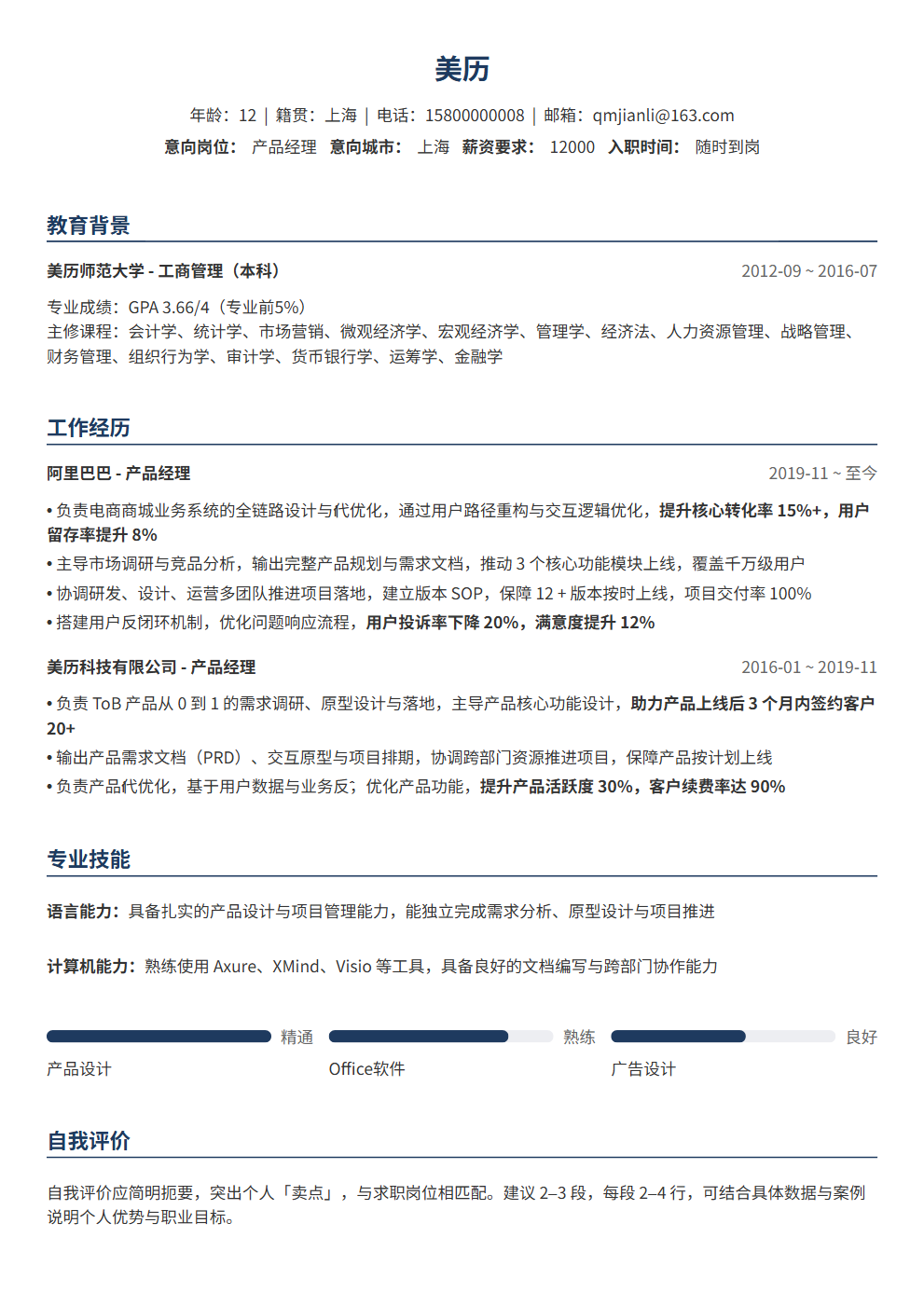
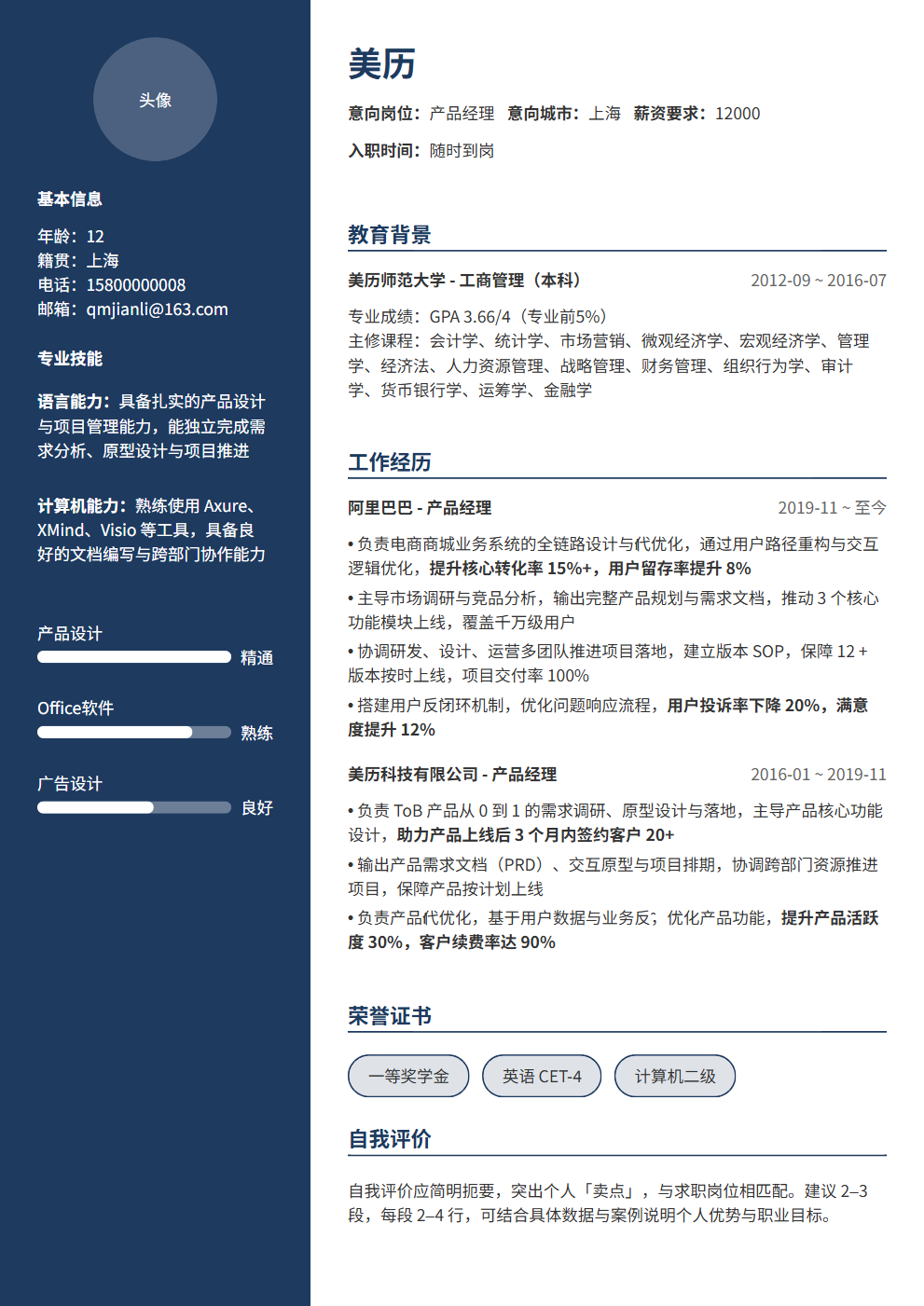
The pain point of cross-department collaboration isn't that others won't cooperate — it's that your collaboration approach has issues. 5 methods: Turn requests into mutual interest (not "help me" but "let's win together"), turn vague requests into specific tasks (clear deliverables, deadlines, and standards), turn verbal agreements into written records (confirmation emails + CC managers + shared docs), turn person-dependent connections into process-based ones (standardized processes + point persons + SLAs), and turn passive waiting into active driving (help remove obstacles + reduce scope + set checkpoints). Collaboration isn't about personal favors and endless chasing — it's about aligned interests, clear tasks, and reliable processes. If you're preparing for a job change, cross-department collaboration experience is a resume plus — try BeautyResume's resume editor, where professional templates help you structure and present collaboration achievements, making your cross-department skills a standout on your resume.