Complete Fall Recruitment Timeline for Fresh Grads: What to Do Each Month from June to Offer
Fall recruitment is the most critical job-hunting window for fresh grads, but many miss key milestones. Month-by-month breakdown from June resume prep to November offer signing — never miss an opportunity.
1. June-July: The Golden Preparation Period Before Fall Recruitment
Many people think fall recruitment starts in September, but top companies launch their early batches in June. You must complete three things during these two months:
- Organize your experiences, complete your resume draft, and polish at least 3 versions (one each for tech/product/operations)
- Follow target companies' recruitment accounts and websites, join campus recruitment groups for first-hand info
- Practice 2-3 sets of aptitude tests — big companies have a 60% elimination rate at the written test stage
Early batch competition is relatively lower with slightly reduced barriers — it's the perfect opportunity to aim for top companies. Don't wait until September; by then, half the good positions are already gone.
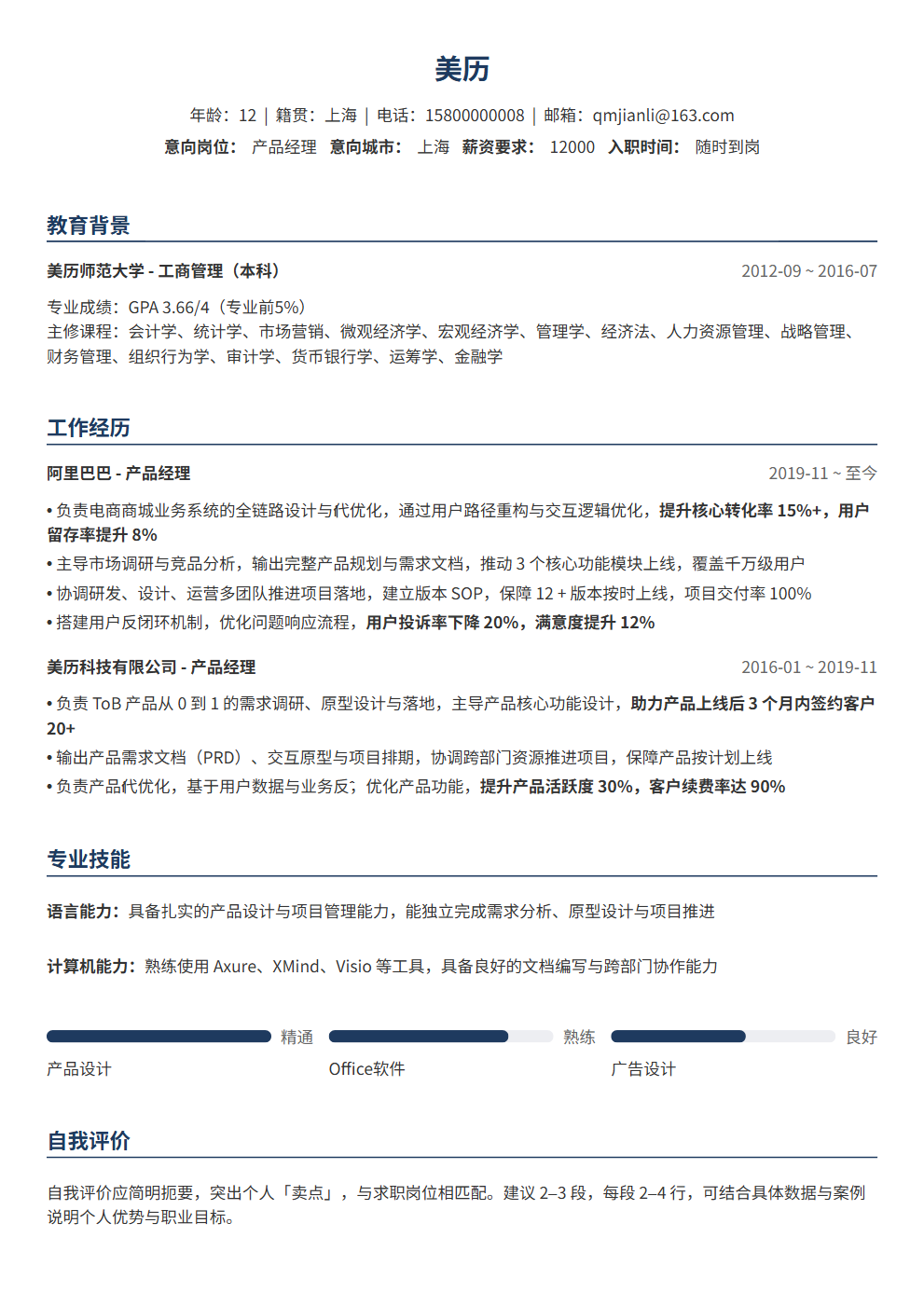
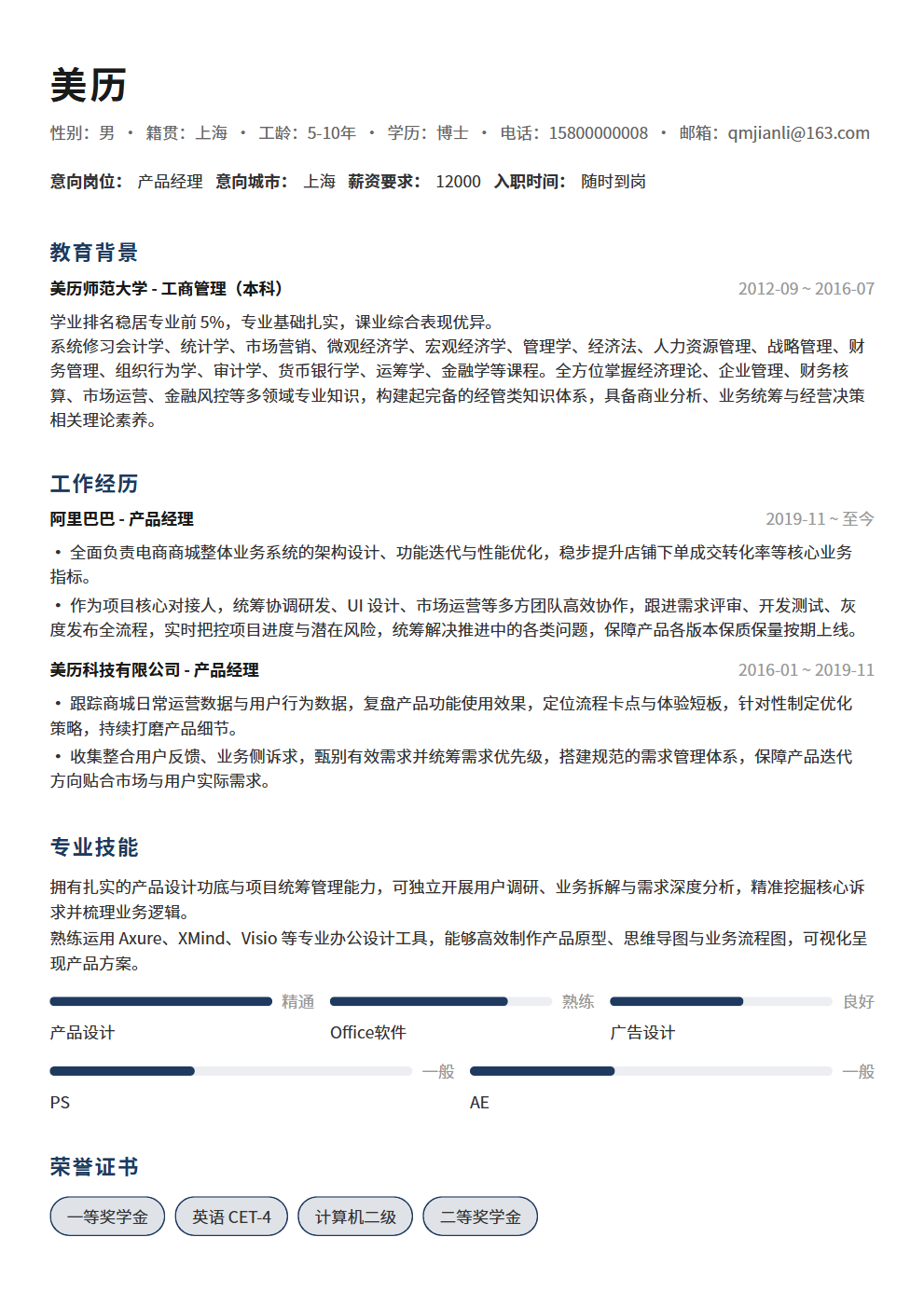
Resume polishing should follow three steps: First, list every experience from your college years without omitting any details. Second, rank them by relevance to your target position and select the 5-8 most core items. Third, rewrite each using the STAR method, ensuring data, results, and logic. Many students find starting resumes in June too late — begin building your resume framework in May, and focus on refinement and iteration in June.
2. August: Early Batch Sprint + Formal Batch Preparation
August is the peak interview period for early batches, while formal batches gradually open. The pace this month needs to be fast:
- Apply to 3-5 early batch positions daily, prioritizing competitive top companies
- Review each interview — record questions asked and your answers to build a personal interview question bank
- Prepare both a 3-minute and 1-minute version of your self-introduction, practice until natural and fluent
Don't panic if you don't pass the early batch — many companies run early and formal batches as independent channels. The key is treating early batches as training grounds to accumulate real experience.
Another easily overlooked action in August — building referral channels. Reach out to alumni, industry communities, and LinkedIn to connect with employees at target companies for referrals. Referred resumes get much higher screening priority than regular applications — some companies let referrals skip written tests and go straight to interviews. Set up referral contacts in August, and you can apply immediately when formal batches open in September.
3. September-October: Formal Batch Peak, Application Rush
September is the most intensive month of fall recruitment, with nearly all companies opening their online application portals. Strategic considerations:
- Build an application tracking sheet — record company name, position, application date, and status to avoid confusion
- Distribute application effort across "reach-match-safety" tiers, with a recommended ratio of 3:5:2
- Fine-tune resume keywords to match each position's JD, boosting ATS pass rates
Many online applications close after mid-October — complete 80% of your applications by end of September. Also attend on-campus info sessions; some companies collect resumes and interview on the spot, far more efficient than online applications.
For your tracking sheet, use Excel or Notion with core fields: company name, position, application date, referrer, test status, interview round, offer status, and notes. This sheet isn't just a progress management tool — it's the data foundation for review. By November, you'll see which channels have the highest pass rates and which position types match best, enabling more precise targeting in the next round.
4. November: Interview Intensive + Offer Decisions
November enters the interview peak, and you may face multiple battlefronts. What you need most now is energy management:
- Spend 30 minutes before each interview researching the company's business and recent developments — naturally bringing these up during the interview creates great impressions
- When holding multiple offers, don't just look at salary — comprehensively consider growth potential, team culture, and business outlook
- Before signing, review the tripartite agreement terms, especially penalty clauses and start dates
If you haven't received a satisfactory offer by November, don't stress. Spring recruitment starts in January — use this time to strengthen resume weaknesses and improve interview performance.
For offer decisions, use a practical framework — the three-dimension scoring method: Score each offer on "compensation," "growth potential," and "work-life balance" (1-10 points each), then calculate weighted totals based on what matters most to you. For fresh grads, we suggest 50% weight on growth, 30% on compensation, and 20% on balance. Don't be seduced by high starting salaries — your first job's growth rate determines your market value three years later.
5. Fall Recruitment Pitfall Checklist
- ❌ Only applying to big companies, ignoring smaller ones — smaller companies have lower interview barriers and faster growth, making great stepping stones
- ❌ One resume for all positions — ATS systems filter unmatched resumes; customization is key
- ❌ No post-interview review — every interview is a free learning opportunity; not reviewing means wasted effort
- ❌ Ignoring referral channels — referred resumes get priority screening, with pass rates 3-5x higher than regular applications
- ❌ Waiting until September to start preparing — early batches launch in June; two months late means missing half the opportunities
- ❌ Applying without practicing — written tests and interviews both require deliberate practice; bare attempts have extremely low pass rates
6. Fall Recruitment Strategies by Major
Different majors have significantly different recruitment timelines and strategies, requiring targeted adjustments:
- STEM: Tech roles have the most early batches — June-July is prime time. Focus on algorithm problems and project deep-dives; resumes should highlight tech stacks and project outcomes
- Business: FMCG and consulting open heavily in September-October; focus on group interviews and Case Interviews in August; resumes should highlight leadership and data analysis
- Humanities: Operations, marketing, and HR roles open gradually after September; build portfolios and internship proofs in August; resumes should highlight content creation and communication skills
- Art/Design: Portfolios matter more than resumes — concentrate on portfolio refinement in June-July; keep resumes concise with portfolio links prominent
Regardless of your major, your resume is the first gate. Tech resumes emphasize project depth, business resumes emphasize quantified results, humanities resumes emphasize transferable skills, and design resumes pair with portfolios. Targeted approaches yield twice the result with half the effort.
Summary
Fall recruitment isn't something that starts in September — it's a systematic project launching from June. Prepare early, apply broadly, review diligently, leverage referrals — these four actions run throughout. Your resume is your ticket to fall recruitment; a well-crafted one helps you stand out from the crowd. Don't let your resume hold you back — invest time in optimizing your first professional calling card. Every step of fall recruitment adds value to your career starting point, and a great resume is where it all begins.