Asked Do You Have Other Offers Four Strategies Without Lying or Losing Leverage
Just when the interview is going well, the interviewer suddenly asks: "Do you have other offers?" Many people panic instantly — if you say yes, you worry they'll…
Asked "Do You Have Other Offers" in an Interview? 4 Strategies to Stay in Control Without Lying
Just when the interview is going well, the interviewer suddenly asks: "Do you have other offers?" Many people panic instantly — if you say yes, you worry they'll think you're not committed; if you say no, you feel you've lost bargaining power. Even more awkwardly, if you say yes, the interviewer might follow up with "Which companies and what salary?" — do you answer or not? This question seems casual, but it's actually the interviewer probing your market value and negotiation leverage. Today I'll share 4 strategies that let you stay in control without lying.
The Real Intent Behind This Question
When interviewers ask "Do you have other offers," it's definitely not small talk. There are four real intentions behind this question — understanding them helps you know how to respond.
- Intent 1: Gauge your market value. If you have other offers, it means other companies also recognize your value. This is called the "social proof effect" in psychology — if others think you're good, I think you're good too. Interviewers will therefore value your abilities more
- Intent 2: Assess hiring urgency. If you have offers in hand, interviewers will speed up their process and try to extend an offer sooner; if you don't, they might take their time or even lowball
- Intent 3: Predict your joining probability. If you already have better offers, they may evaluate whether they can "win you over" — if not, they won't waste a headcount
- Intent 4: Prepare for salary negotiation. If you have no other offers, interviewers have more confidence to lowball; if you do, they need to offer more competitive terms
So this question is essentially the interviewer "feeling you out" — probing your hand. You don't need to reveal your entire hand, but you can't completely hide it either, or the interviewer will assume your market value is low. The key: show you have market competitiveness without exposing specific details.
Strategy 1: Honestly Showcase Market Value
If you genuinely have other offers that demonstrate your market value, honest response is the best strategy. The core logic: let the facts speak, showing the interviewer you're "in demand."
- Best for: You have 2+ offers of decent quality (well-known companies or competitive salaries), and you want to negotiate better terms
- How to answer: "Yes, I currently have two offers under consideration — one from a company in the XX industry and another in the XX direction. However, I'm more interested in your company's role, so I'm still actively communicating."
- Why it works: You demonstrate market recognition (not self-promotion but fact-based), you express preference (not just going with whoever pays most), and you create urgency (the interviewer knows they need to decide faster)
- Key points: Don't reveal specific company names (you can mention industry and direction), don't disclose exact salaries (you can say "within my expectations" or "competitive"), don't brag (keep a calm tone, not smug)
- Advanced tip: If you have an offer from a competitor, you can subtly hint at it. For example, when interviewing at a major tech company, saying "I'm also talking with other tech companies" creates more urgency
The key to honest showcasing is "selective honesty" — you don't need to lay out all information, but core facts should be true. For instance, you do have offers, but you don't need to say which company or how much. Once the interviewer knows you have options, they'll take you more seriously.
Strategy 2: Vague Response to Maintain Control
If you have interviews in progress but no formal offers, or you don't want to reveal too much information, a vague response is the best strategy. The core logic: let them know you have options without revealing specifics, maintaining your negotiation leverage.
- Best for: You have interviews in progress but no offers yet, you don't want to reveal specific information, or you feel the interviewer is probing your bottom line
- How to answer: "I'm currently in discussions with a few companies, and some have reached the final round, but everything is still in process." Or "I am indeed in contact with several other companies, but nothing has been finalized yet."
- Why it works: You hint at market interest (not just this one interview), you maintain ambiguity (no specific information can be used against you), and you haven't lied ("in discussions" is factually true)
- Key points: Don't say "no" (this eliminates your bargaining power), don't fabricate non-existent offers (you'll be exposed if probed for details), and keep a natural tone (don't seem nervous or hesitant)
- Advanced tip: You can say "I'm seriously considering several opportunities" — this implies you have options without committing to having formal offers, giving yourself plenty of room to maneuver
The essence of vague response is "neither denying nor confirming" — you let the interviewer know you're not "clinging to this one straw," but you don't give them specific information to assess your situation. This way, you always maintain the initiative in salary negotiations.
Strategy 3: Use Competition to Create Urgency
If you want the interviewer to speed up their decision and offer better terms, you can proactively create urgency. The core logic: let them know "if you don't act fast, someone else will get there first."
- Best for: You genuinely have other offers with tight deadlines, you're interested in this company but don't want to wait too long, or you want to negotiate better salary terms
- How to answer: "I currently have an offer that requires a response by this Friday, but I'm more inclined toward your company's role. Could you share what your timeline looks like?" Or "Another company has already made an offer in the XX salary range, but I value your company's growth potential more, and I hope to receive a competitive proposal from your side."
- Why it works: You create time urgency (the interviewer knows they need to move faster), you express genuine preference (not just going with whoever offers first), and you provide a negotiation anchor (hinting at your expected range)
- Key points: The urgency must be real (don't fabricate non-existent deadlines), preference expression must be sincere (don't fake interest just for negotiation), and salary hints must be reasonable (don't ask for the moon)
- Advanced tip: You can say "I really want to join your company, but I also need to respect other companies' timelines" — this expresses sincerity while hinting you won't wait forever
Using competition to create urgency isn't threatening the interviewer with "give it to me or I'll go elsewhere." It's sincerely expressing "I'm interested in you, but time is limited, and I hope you can provide a proposal soon." The former is pressure; the latter is collaboration — interviewers respond much better to the latter.
Strategy 4: Sincerely Express Preference
If you genuinely want to join this company the most and don't want "having other offers" to make the interviewer question your commitment, you can sincerely express your preference. The core logic: I do have options, but you're the one I want most.
- Best for: You genuinely prefer this company the most, you want the interviewer to know your sincerity, and you don't want "having other offers" to negatively affect their impression of you
- How to answer: "Yes, I'm currently in discussions with other companies, but honestly, your company is the one I most want to join. I didn't apply here through mass applications — I chose your company because of XX reasons (role fit / culture alignment / product experience etc.), so even with other opportunities, my first choice remains here."
- Why it works: You demonstrate sincerity (not just casting a wide net), you explain your reasoning (not just saying "you're the best" without basis), and you alleviate the interviewer's concerns (they won't worry you'll leave at any moment)
- Key points: Preference expression needs specific reasons (don't just say "you're the best"), sincerity must be genuine (don't say things just to please), and don't over-commit (saying "I'll definitely come" is unwise because if the terms aren't satisfactory, you still need to decline)
- Advanced tip: You can say "If the terms are within a reasonable range, I'd lean toward your company" — this expresses preference while preserving negotiation space
The key to sincerely expressing preference is "preference with reasons" — not blindly saying "I like you the most," but saying "because of XX reasons, I prefer you." Preference with reasons is sincere; preference without reasons is just flattery.
How to Handle Different Situations
Everyone's situation is different, and you need to choose the most appropriate strategy based on your actual circumstances. Here are recommendations for several common scenarios.
- Situation 1: You have 2+ quality offers → Use Strategy 1 (honestly showcase market value) combined with Strategy 3 (create urgency) to negotiate the best terms
- Situation 2: You have interviews in progress but no offers → Use Strategy 2 (vague response to maintain control), letting the interviewer know you have options without revealing details
- Situation 3: This is your only interview → Use Strategy 2 (vague response), saying "I'm also exploring other opportunities" (exploring ≠ interviewing, not a lie), while expressing interest in this company
- Situation 4: You have offers but they're mediocre → Use Strategy 4 (sincerely express preference), focusing on "I'd rather join you" rather than "I have other offers"
- Situation 5: The interviewer presses for specific company names and salaries → Politely decline: "I'm sorry, I don't think it's appropriate to share specific information about other companies, but I can tell you my expected salary range is XX." This way you neither lie nor reveal your hand
Summary: The Key to Answering "Do You Have Other Offers" Is Strategic Disclosure
When interviewers ask "Do you have other offers," it's not small talk — they're probing your hand. The four strategies — honestly showcasing market value, vague response to maintain control, using competition to create urgency, sincerely expressing preference — all share a core principle: finding the balance between "showing" and "hiding." Show too much, and you lose negotiation leverage; hide too much, and the interviewer thinks you have low market value. The best strategy: let them know you have options without revealing your hand. Remember: interviewing is a two-way choice — you have the right to protect your information and the ability to demonstrate your value.
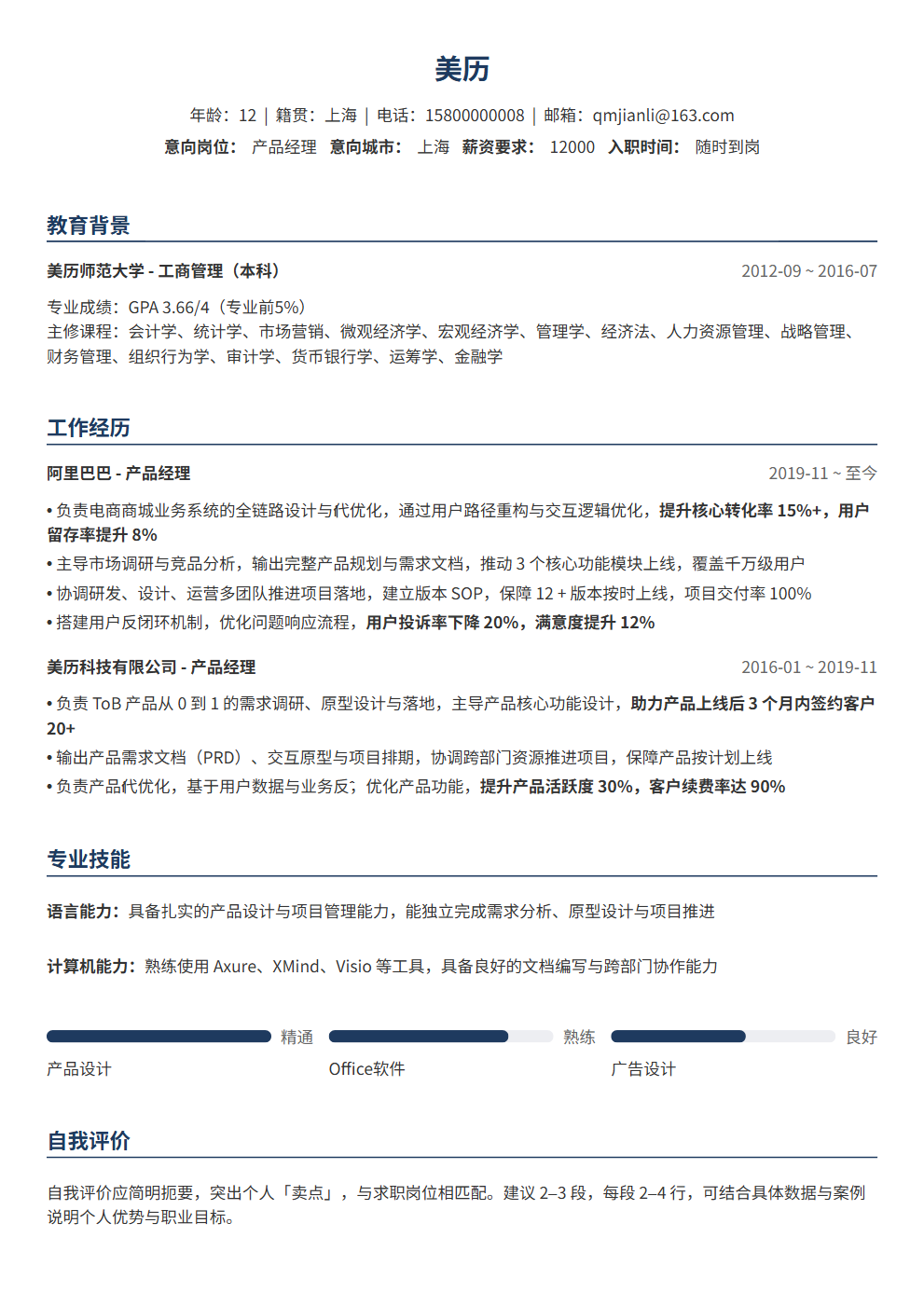
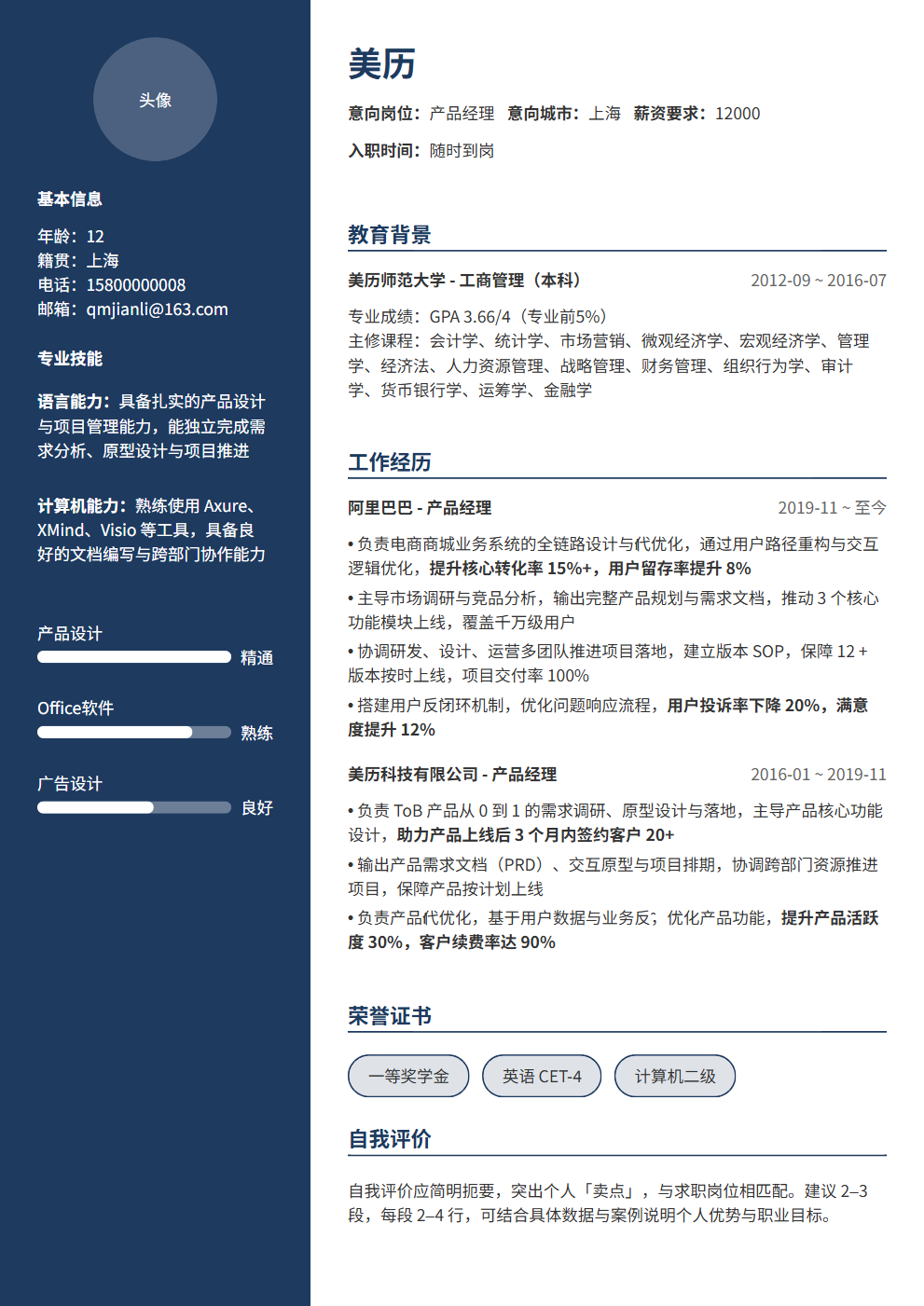
Getting an interview is just the first step; getting a satisfactory offer is the goal. Use BeautyResume to create a resume that makes interviewers take notice — from application to interview to offer, every step solidly executed. A great resume is the starting point for a great offer.