Interview Dress Code & Image Management: Dressing Rules for 6 Industries & 5 Bonus Details
Covering dress code rules for 6 industries and 5 image bonus details, comparing online vs offline interview image differences, revealing 3 common image mistakes to help you create a professional first impression.
Within 7 seconds of meeting you, the interviewer has already formed a first impression. Appropriate interview attire isn't a bonus—it's a baseline requirement. Dress codes vary dramatically across industries, and wearing the wrong outfit can eliminate you before you speak. This article breaks down dressing rules for 6 industries and 5 image-enhancing details.
1. Interview Dress Code Rules for 6 Industries
1. Tech Industry: The Subtle Art of Business Casual
At Google, Amazon, and Meta, the interview dress code底线 is "clean and presentable"—no suits required, but no sloppiness either.
- Men: Solid-color polo or casual button-down + dark casual pants + clean sneakers or casual leather shoes. Avoid: oversized logo hoodies, ripped jeans, flip-flops
- Women: Simple blouse or knit top + dress pants or knee-length skirt + flats or low heels. Avoid: mini skirts, off-shoulder tops, heavy makeup
Key principle: Dress one level more formal than everyday office wear. When in doubt, dark colors are always safe.
2. Finance Industry: Formal Wear Is Non-Negotiable
At JPMorgan, Goldman Sachs, and Morgan Stanley, formal attire is mandatory, not optional.
- Men: Dark suit (navy/dark gray) + white or light blue shirt + tie + black leather shoes. Avoid: brown suits, flashy ties, white socks
- Women: Dark suit set or suit + knee-length skirt + nude or black stockings + medium-heel pumps. Avoid: bright-colored suits, open-toe shoes, statement jewelry
Finance industry unwritten rule: The more conservative, the safer. When interviewing at Goldman Sachs or Deloitte, it's better to be overdressed than underdressed.
3. Government & Public Sector: Conservative and Proper
At federal agencies and public institutions, conservative, formal, and error-free is the core requirement.
- Men: Dark suit + light shirt + tie (optional) + black leather shoes. Note: Hair should be neatly trimmed, no beards
- Women: Dark blazer + blouse or modest top + dress pants or knee-length skirt + low-to-medium heels. Note: Minimal makeup, simple jewelry
The baseline for government interviews: "Look dependable to someone from an older generation." Avoid anything that could be perceived as "unconventional."
4. Multinational Corporations: Professional but Not Rigid
At Microsoft, IBM, and Intel, interview attire should be professional with room for subtle personality.
- Men: Business casual—button-down shirt + dress pants + leather shoes. No tie required, but the shirt must be pressed
- Women: Professional attire + tasteful accessories. A blouse with design interest is fine, but maintain overall professionalism
The core of MNC interview dressing: Show your professionalism while reflecting personal taste. A refined watch or simple necklace is a bonus.
5. Creative/Design Industry: Express Personality with Restraint
At Netflix, Apple, and creative agencies, interview attire can showcase personal style, but shouldn't go off the rails.
- Core Principle: Your outfit itself demonstrates your aesthetic judgment
- Bonus Points: Design-forward pieces, coordinated color palettes, tasteful accessories
- Red Flags: Overly theatrical looks, unkempt "artist vibes," styles completely misaligned with the role
The litmus test for creative industry interview attire: Can your outfit serve as a conversation starter? If yes, you've hit the mark.
6. Manufacturing Industry: Practical and Professional
At Tesla, Boeing, and General Electric, practical professionalism is the keyword.
- Men: Business casual—shirt + dark pants + leather shoes. For factory management roles, dress more formally
- Women: Professional attire or business casual; avoid overly trendy elements
The core signal of manufacturing interview attire: You are reliable, grounded, and capable. Being overly fashionable can actually work against you.
2. Five Image-Enhancing Details
1. Hairstyle: Clean and Polished Beats Everything
Your hairstyle is the highest-ROI detail in interview image. Men should get a haircut 1-2 days before the interview; women should opt for a neat updo or well-maintained short style. The universal standard: "look energetic and competent." Avoid: extreme hair colors, greasy hair, hair falling over your eyes.
2. Accessories: Less Is More
Accessories should complement, not compete. For men, a simple watch suffices; for women, small stud earrings and a delicate necklace work well. Core rule: No more than 3 accessories, none of them attention-grabbing. At McKinsey interviews, a low-key mechanical watch is more appropriate than a flashy bracelet.
3. Scent: No Scent Is the Best Scent
Interview day scent management: Absolutely no strong perfume. The interviewer may be allergic to or bothered by certain scents. The right approach: Use unscented deodorant after showering, ensure fresh breath (carry mints), and make sure clothes are clean and odor-free. If you must wear fragrance, choose a light scent and apply just one spray.
4. Nails: Details Reveal Your Refinement
Nails are a detail interviewers notice but won't mention. Clean, trimmed nails signal "attention to detail." Men should keep nails short and neat; women can do minimal nail art but avoid bold colors and excessively long extensions. At JPMorgan interviews, glitter nail art is an absolute red flag.
5. Shoes & Bags: The Final Pieces of a Quality Image
Shoes and bags are the finishing touch. Shoes must be clean with no visible wear—check soles and uppers before the interview. Choose simple bag designs; avoid large logos and excessive charms. Men should opt for a dark briefcase or minimalist backpack; women should choose a structured handbag. An Oracle interviewer once shared: a candidate's shoe cleanliness is a hidden indicator of how detail-oriented they are in their work.
3. Online vs In-Person Interview Image Differences
Image management for online and in-person interviews is fundamentally different:
- Upper Body Priority: Online interviews only show your upper half, but don't wear just a top—if you need to stand up, it's awkward
- Background Management: Your online interview background is an "extension of your outfit." A clean white wall or organized bookshelf works best
- Lighting Control: Even lighting on your face; avoid backlighting. Consider a ring light
- Camera Presence: Position the camera at eye level; look at the lens, not the screen. This is the most common mistake in online interviews
Special reminder for online interviews: Test your setup 15 minutes early. Technical failures are more damaging than wardrobe mistakes.
4. Three Common Image Management Mistakes
Mistake 1: More Expensive = Better
The core of interview attire is "appropriate," not "expensive." A well-fitting business outfit from a mid-range brand outperforms an ill-fitting luxury ensemble. Fit > Brand > Price. If budget is limited, spend money on tailoring and dry cleaning rather than designer labels.
Mistake 2: One Size Fits All
Different industries, companies, and roles have different dress codes. Wearing a full suit to a Google interview is as inappropriate as wearing a hoodie to a Goldman Sachs interview. Your attire should match the target company's culture, not follow a universal template.
Mistake 3: Ignoring Comfort
Interviews typically last 1-2 hours. If your clothes make you fidget, your performance will suffer. Interview attire must balance appropriateness and comfort. Try sitting in your interview outfit for an hour beforehand to ensure there's no discomfort.
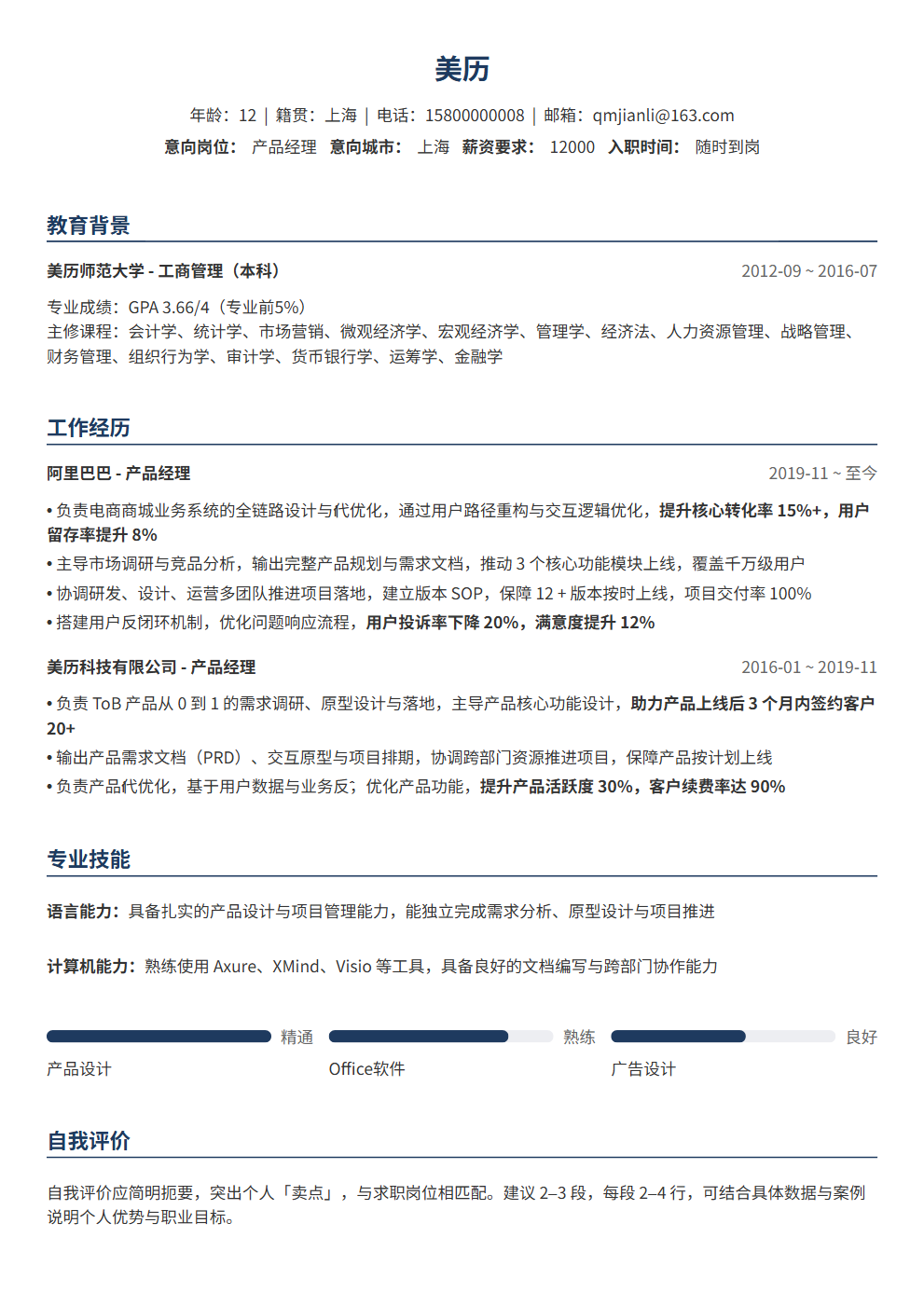
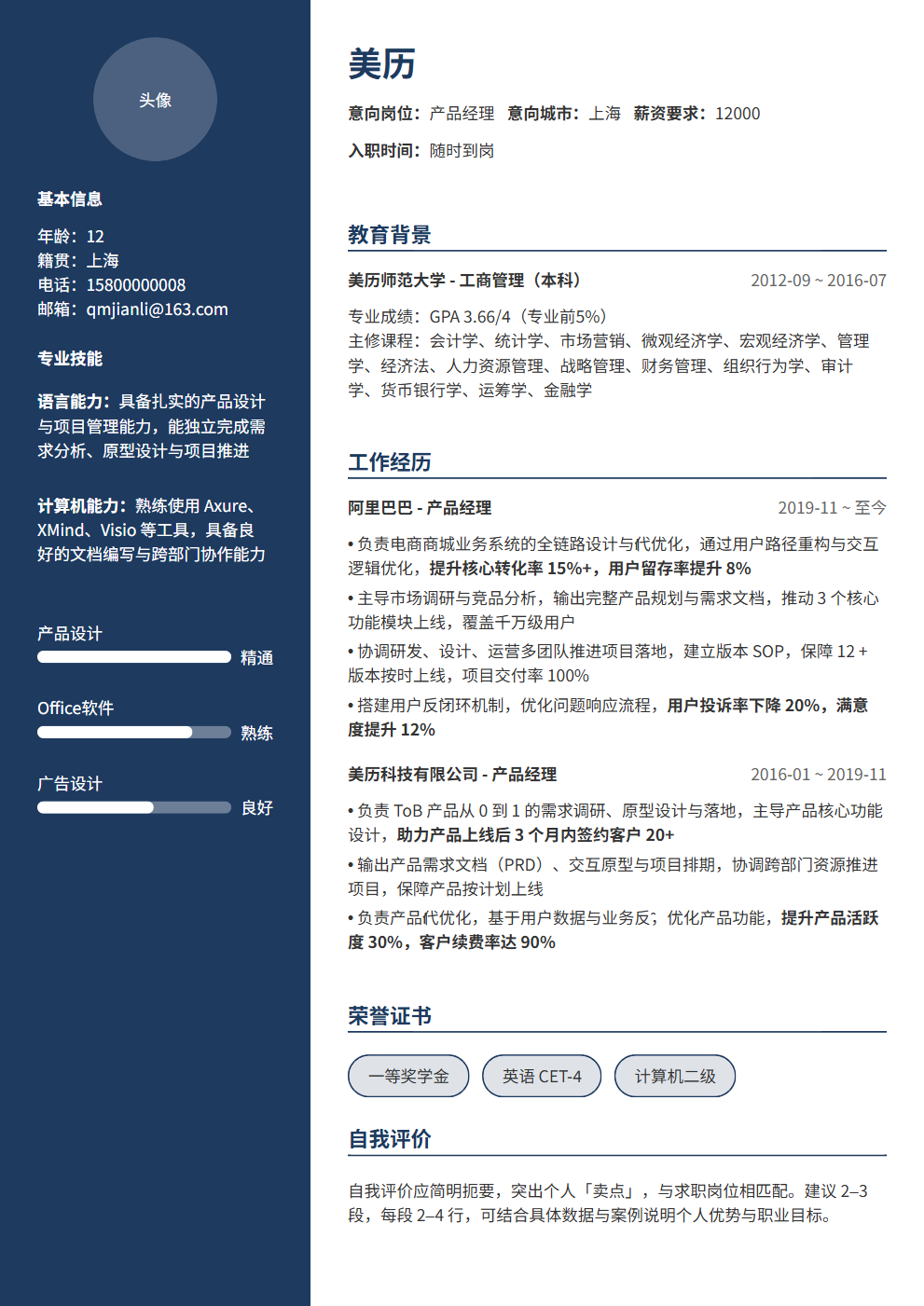
Your interview image is a visual extension of your resume. While optimizing your interview attire, don't forget to use a resume builder to create a resume that matches your professional image. Excellence inside and out is what helps you stand out in interviews.
FAQ
Q1: What's the safest color to wear to an interview?
The safest color combination: Dark outer layer (navy/dark gray/black) + light inner layer (white/light blue/light gray). This works for virtually all industries. Avoid large areas of bright colors and patterns—unless interviewing for creative roles. Dark colors convey professionalism; light colors convey approachability. Together, they're the most reliable combination.
Q2: How do I dress warmly yet appropriately for winter interviews?
Winter interview strategy: 1) Choose wool suits or coats—they're warm and look quality; 2) Wear dark V-neck thermal undershirts that won't show above your collar; 3) Remove your coat after entering the building to reveal your formal attire underneath; 4) Avoid wearing puffer jackets to interviews—you can carry one, but switch to a wool coat once inside. Core principle: Warm outside, appropriate inside.
Q3: Can I wear sneakers to an interview?
It depends on the industry. Tech companies allow clean, minimalist sneakers (like white leather sneakers), but finance, government, and corporate interviews require leather shoes. Creative industries are most lenient about footwear. When uncertain, bring leather shoes as backup—changing shoes in the lobby is safer than wearing the wrong pair. Note: Regardless of industry, sneakers must be clean.
Q4: What are the makeup guidelines for women's interviews?
The core of interview makeup is "polished but not obvious." Light makeup is the standard answer: even foundation, neat eyebrows, natural lip color (rose/nude pink is safest). Avoid: heavy eye makeup, glitter, bold lip colors. Finance and government interviews require lighter makeup than tech. A good test: if the interviewer's first reaction is noticing your makeup, you've applied too much.
Q5: What if I discover a wardrobe issue on interview day?
Emergency solutions: 1) Wrinkled clothes—use a hair dryer + spray bottle for quick de-wrinkling; 2) Stains—use wet wipes + stain remover pen, or pin the fabric to hide it; 3) Dirty shoes—wipe with wet tissue; for leather shoes, buff with damp paper towel + hand warmth; 4) Messy hair—carry a small comb and travel hairspray. Recommended interview kit: stain pen, mints, and a small comb.