Essential AI Interview Tools and Resources for 2026: From Practice to Mock Interviews
8 categories of AI interview tools and resources: coding platforms, AI mock interviews, knowledge bases, system design, paper reading, code practice, interview communities, salary lookup, 3-5 tested recommendations per category
Background
It's 2026, and AI interview competition is fiercer than ever. I started preparing for AI roles in 2024, spending over half a year, falling into countless traps, and trying many tools and resources. Looking back, some tools were lifesavers while others were a waste of time. So today I want to compile the AI interview tools and resources I've actually used and verified, as a reference for those currently preparing.
This article covers the complete chain from practice problems to mock interviews — 8 major categories, each with 3-5 tools I've personally used, with applicable scenarios noted. Not sponsored, purely personal experience sharing.
Coding Practice Platforms
Coding practice is the foundation of AI interview prep. Whether you're interviewing for algorithm or engineering roles, coding ability is a hard requirement.
1. LeetCode: The undisputed king of coding practice. For AI interviews, focus on Hot 100 and Top Interview 150, plus dynamic programming and graph theory problems. AI role coding questions lean toward mathematical implementations — like writing gradient descent or Attention from scratch — which aren't abundant on LeetCode, but foundational algorithms must be solid. Applicable scenarios: Algorithm fundamentals prep for all AI roles.
2. NowCoder: Essential for domestic AI interviews. NowCoder has tons of real questions from major Chinese tech companies, especially ByteDance, Alibaba, and Tencent's AI positions. The discussion forum is very active — interview experiences are posted the same day. Applicable scenarios: Interviewing at Chinese AI giants, especially ByteDance, Alibaba, Tencent, Baidu.
3. Codeforces: If you're targeting top-tier AI research roles (like OpenAI, DeepMind), Codeforces Div2/Div3 problems help build competitive programming skills. These companies ask harder algorithm questions. Applicable scenarios: Interviewing at top overseas AI research institutions.
4. HackerRank: Overseas AI companies often use HackerRank for online assessments. Familiarizing yourself with the platform interface and I/O format in advance is important. Applicable scenarios: Online assessments for overseas AI companies.
AI Mock Interview Tools
Mock interviews became popular after 2025. There are now several AI-driven mock interview tools with varying quality.
1. Interviewing.io: Real-person mock interview platform matching you with FAANG interviewers. Not AI-driven, but highest quality with detailed feedback afterward. Not cheap at around $200 per session, but worth it. Applicable scenarios: Final mock before FAANG interviews.
2. Pramp: Free peer-to-peer mock interview platform — you interview others and get interviewed. Interviewer quality varies, but great for building confidence and expression skills. Applicable scenarios: Beginners practicing, overcoming nervousness.
3. ChatGPT/Claude Mock Interviews: Using LLMs for mock interviews actually works well. My approach: set up an interviewer role for GPT, tell it the company and position, then have it ask questions round by round. The key is speaking out loud, not just thinking in your head. Applicable scenarios: Practice anytime, anywhere, zero cost.
4. Final Round AI: Dedicated AI mock interview tool that simulates behavioral and technical interviews with real-time hints. Free version is limited; Pro is about $30/month. Applicable scenarios: Need structured mock interview experience.
Knowledge Base Resources
Foundational knowledge is essential for AI interviews. Everyone hates rote memorization, but if you don't prepare, others will outcompete you.
1. Xiaolin Coding: Well-illustrated with clear explanations — one of the best knowledge compilations I've seen. For AI, focus on machine learning, deep learning, NLP, and recommendation system topics. Applicable scenarios: Systematic review of AI fundamentals.
2. Code Random Records: While mainly focused on algorithms, their knowledge community and blog also have AI interview knowledge compilations, especially project-related questions. Applicable scenarios: Preparing algorithms and knowledge together.
3. AI Interview Guides (GitHub Open Source): GitHub has many open-source AI interview knowledge bases like "AI-Interview-Notes" and "DeepLearning-Interview" — comprehensive and continuously updated. Applicable scenarios: Filling gaps, targeted review.
4. "100 Questions in Machine Learning": A classic book by Zhu Geyue and Hulawa. Though published years ago, core knowledge remains relevant. Good for systematically reviewing ML fundamentals. Applicable scenarios: Building solid ML foundations.
System Design Resources
System design questions for AI roles are increasing, especially for senior positions at big tech companies.
1. "Designing Machine Learning Systems": Written by Chip Huyen — the bible of ML system design. Covers the full pipeline from data pipelines to model serving to monitoring. Applicable scenarios: Interviewing for ML Engineer and MLOps roles.
2. Alex Xu's System Design Series: "System Design Interview" Vol.1 and Vol.2. While leaning toward general system design, the thinking and frameworks apply equally to ML system design. Applicable scenarios: System design fundamentals and framework building.
3. Eugene Yan's Blog: eugeneyan.com — numerous practical articles on ML system design, like recommendation system design, model serving architecture, and feature engineering platforms. Applicable scenarios: Deep understanding of ML system design details.
4. ByteByteGo: Alex Xu's system design learning platform with animated explanations — much more intuitive than text alone. Applicable scenarios: Visual learners, quickly understanding system design concepts.
Paper Reading Tools
AI interviews frequently ask about papers, especially for research roles. Efficient paper reading and management is important.
1. Semantic Scholar: A more useful academic search engine than Google Scholar, with AI summarization features to quickly understand core contributions. Applicable scenarios: Searching and filtering papers.
2. Papers With Code: One-stop platform for papers + code + datasets. Find implementation code while reading papers — helpful when asked about details in interviews. Applicable scenarios: Finding paper code implementations.
3. Connected Papers: Input a paper and generate a relationship graph, helping you quickly understand a field's paper landscape. Applicable scenarios: Understanding paper development in a new field.
4. SciSpace (formerly Typeset.io): AI-assisted paper reading tool that explains formulas, summarizes paragraphs, and answers questions about papers. Applicable scenarios: Reading difficult papers, especially math-heavy ones.
Code Practice Platforms
AI interview coding questions differ from standard algorithm problems — many involve implementing ML algorithms from scratch.
1. Google Colab: Free GPU environment, convenient for writing code and running experiments. Before interviews, implement linear regression, logistic regression, and Attention from scratch in Colab and verify they work. Applicable scenarios: Practicing ML algorithm implementation.
2. Kaggle: While mainly a competition platform, Kaggle Notebooks have plenty of quality code to learn from. And Kaggle competition experience is a plus in interviews. Applicable scenarios: Building project experience, learning excellent code.
3. DeepLearning.ai: Andrew Ng's deep learning courses with high-quality programming assignments implementing neural networks from scratch. Applicable scenarios: Learning deep learning implementation from scratch.
Interview Experience Communities
Reading others' interview experiences is one of the most efficient preparation methods, but watch out for information quality.
1. 1Point3Acres: The most active community for North American AI job seekers, with very fast interview experience updates, especially for FAANG and unicorns. Applicable scenarios: Interviewing at North American AI companies.
2. NowCoder Discussion: The most comprehensive source for Chinese AI interview experiences, with fresh posts daily during fall and spring recruitment. Applicable scenarios: Interviewing at Chinese AI companies.
3. LeetCode Discuss: LeetCode's discussion forum also has interview experience sharing, especially for system design and behavioral interviews. Applicable scenarios: System design and behavioral interview experiences.
4. Blind: Overseas workplace community where you can post anonymously and see real salary and interview experiences. Applicable scenarios: Understanding salary levels and company culture.
Salary Lookup Tools
Knowing salary ranges before interviews gives you confidence during offer negotiations.
1. Levels.fyi: The most authoritative tech company salary database, showing base, stock, and bonus by company and level. Applicable scenarios: Understanding overseas AI company salaries.
2. OfferShow: The most comprehensive campus recruitment salary data in China, covering most internet companies' AI role salaries. Applicable scenarios: Understanding Chinese AI campus recruitment salaries.
3. Glassdoor: Overseas company salary and interview experience database with large volume but varying quality. Applicable scenarios: Comprehensive understanding of company salaries and interview experiences.
4. Maimai: Chinese workplace social platform with social recruitment salary information, but verify information authenticity. Applicable scenarios: Understanding Chinese AI social recruitment salaries.
Key Questions Summary
- LeetCode Hot 100 high-frequency AI questions: Two Sum, LRU Cache, Merge K Sorted Lists
- Implement linear regression from scratch (gradient descent)
- Implement Self-Attention mechanism from scratch
- Design a recommendation system (recall + ranking + re-ranking)
- Design a model serving system (online inference + batch processing + A/B testing)
- Differences between Transformer and RNN? Applicable scenarios for each?
- Differences between Batch Norm and Layer Norm? Why does Transformer use Layer Norm?
- How to handle data imbalance?
- Solutions for overfitting?
- Derivation of cross-entropy loss function?
Insights and Advice
1. Tools are supplements; knowledge is core: Don't fall into the "bookmarking equals learning" trap. No matter how good the tools are, they're useless without hands-on practice. I recommend choosing 1-2 per category to use deeply — don't over-collect.
2. Practice strategically: AI roles don't require 2000 problems. Focus on 100-150 high-frequency problems. The key is truly understanding each one and being able to apply knowledge flexibly.
3. Mock interviews are essential: Many people know the material but can't articulate it in interviews — that's lack of practice. Do at least 3-5 mock interviews, record and review them, and you'll discover many issues.
4. Read interview experiences but don't worship them: They're references, not bibles. Each interview round has different questions. Focus on understanding the questioning logic and assessment points, not memorizing answers.
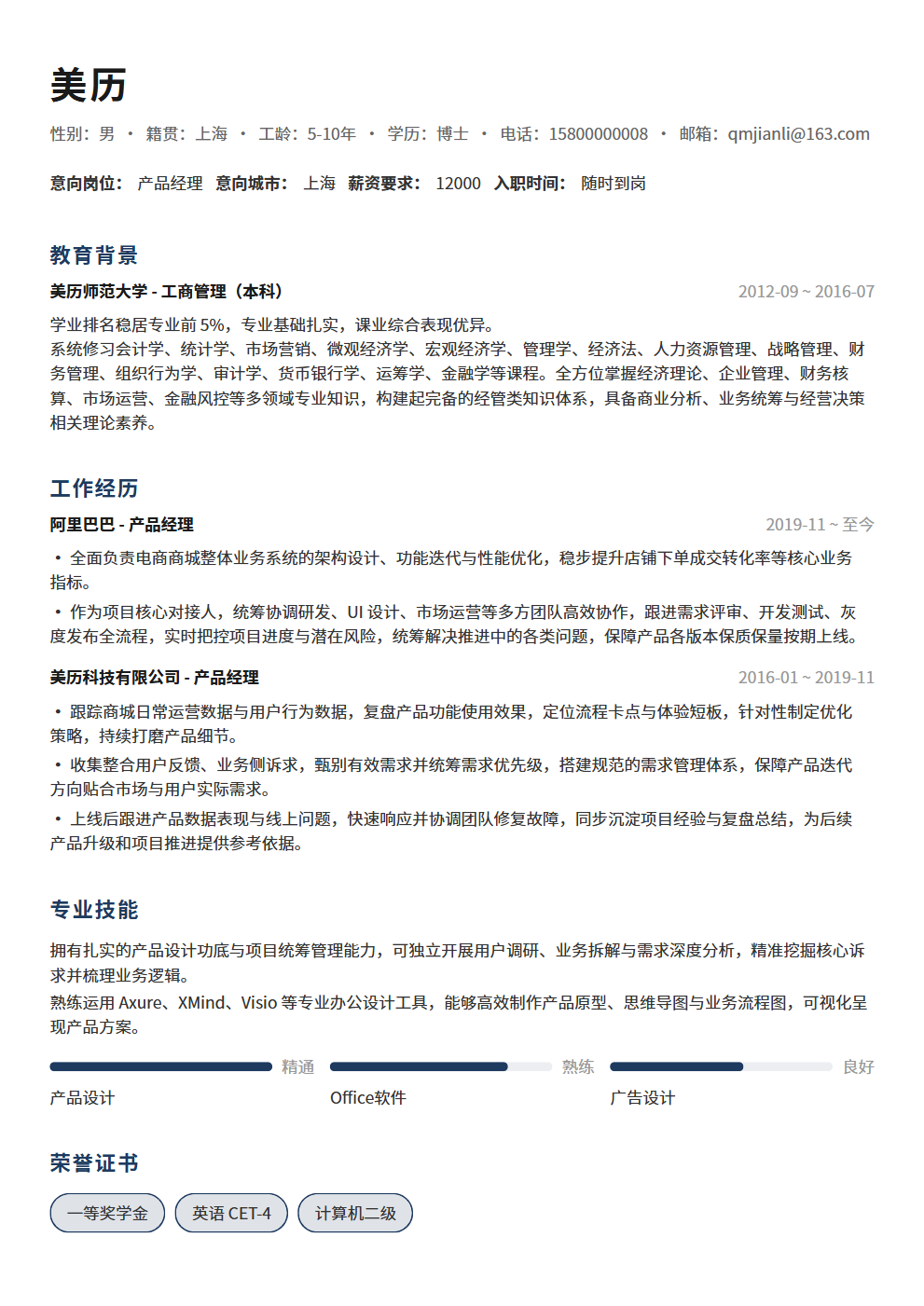
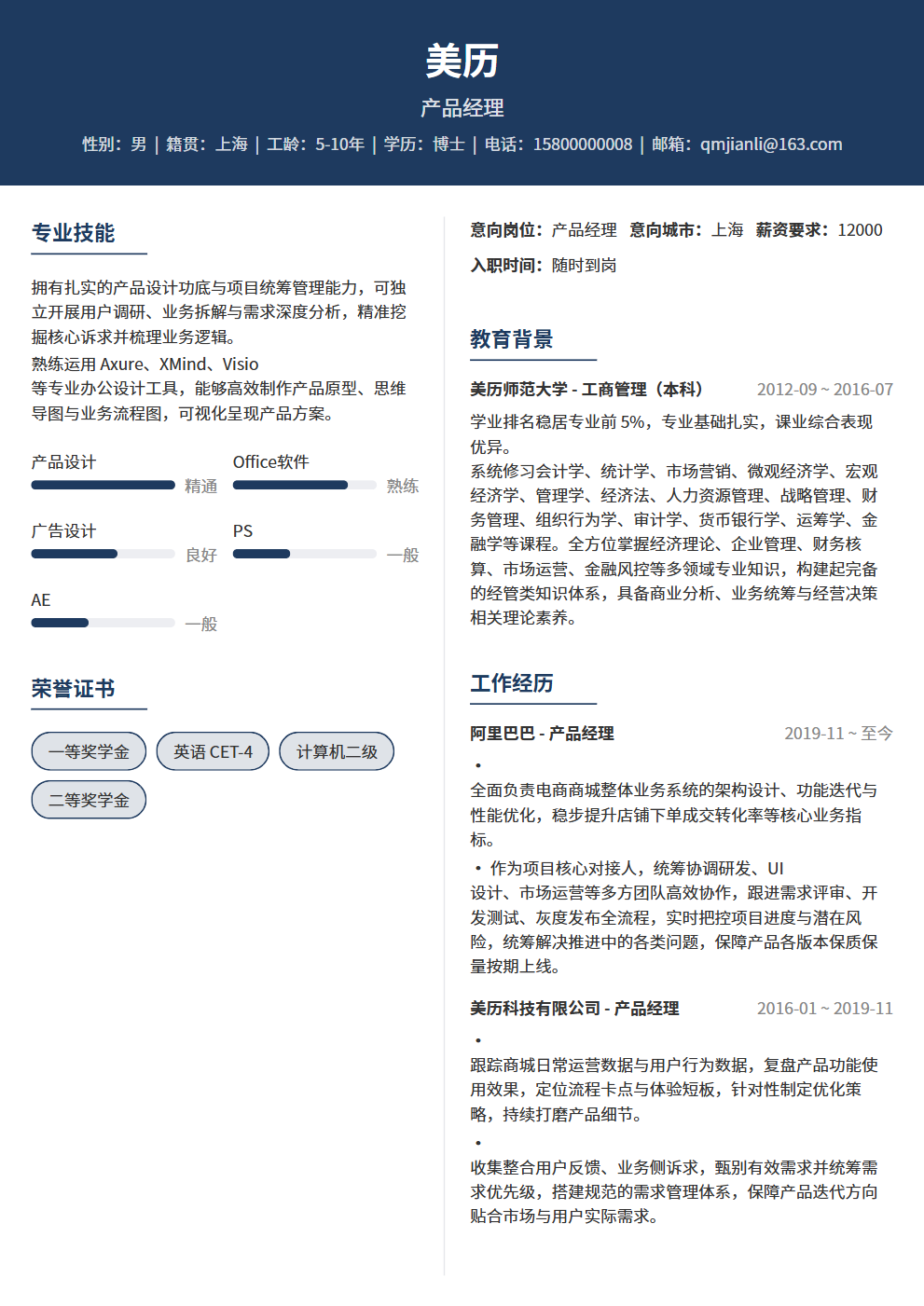
5. Your resume is the door opener: While preparing for interviews, don't forget to polish your resume. A good resume gets you more interview opportunities. If you're still struggling with your resume, try an online resume generator to quickly create professional, beautiful resume templates.
FAQ
Q: Do I need to use all these tools?
A: No, choose 1-2 per category that suit you. Quality over quantity for tools.
Q: How many problems should I practice?
A: For AI roles, LeetCode 100-150 high-frequency problems + implementing 10 ML algorithms from scratch should be sufficient.
Q: Are AI mock interview tools useful?
A: Yes, but effectiveness varies. Start with free ChatGPT practice, then upgrade to paid tools if needed.
Q: How deeply should I memorize fundamentals?
A: Not rote memorization — understand principles well enough to explain in your own words. Interviewers can tell if you truly understand or just memorized.
Q: How to prepare for system design?
A: Start with Chip Huyen's book for framework, then Alex Xu's books for presentation style, and finally practice with real system design questions.